

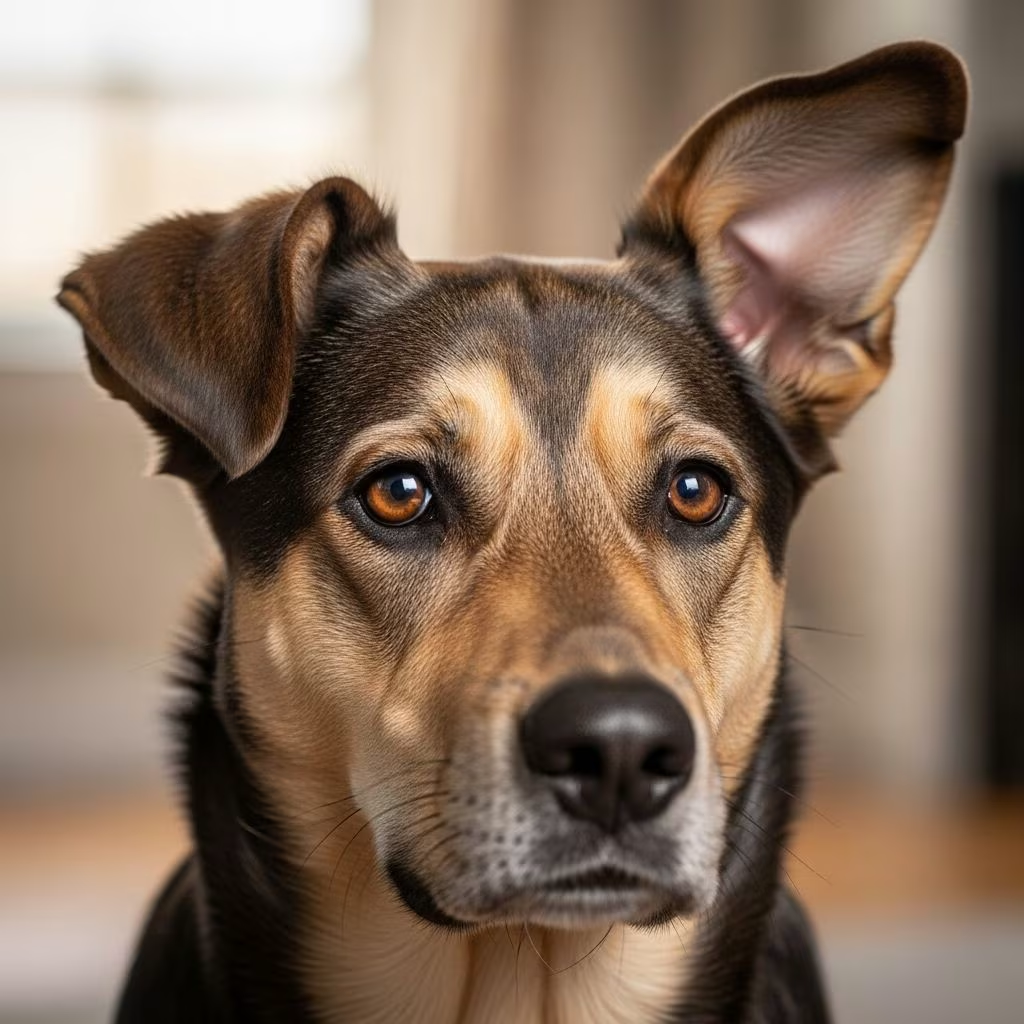
Why Is My Dog Holding Their Ears Back?
When your dog suddenly puts their ears back, it can look dramatic and confusing—almost like they have gone into “airplane mode.” Ear position is a key part of canine body language, and understanding it helps you tell whether your dog is feeling scared, relaxed, in pain, or simply listening closely.
Because ears move quickly, they are often one of the first signs that your dog’s emotional state has changed. Context matters, though: the same ear position can mean different things depending on your dog’s posture, tail, face, and what is happening around them.
What Does It Mean When a Dog’s Ears Are Back?
There is no single answer to what ears held back always mean. Instead, think of it as a signal that must be interpreted with the rest of your dog’s body language.
- Slightly back, soft body: often friendly, relaxed, or mildly curious.
- Firmly pinned back, tense body: usually fear, anxiety, or high stress.
- Back with wiggly body and loose tail: playful or excited, often appeasing or inviting interaction.
- Back with signs of discomfort: possible pain or illness, including ear disease.
Neutral, relaxed dogs typically have ears in their natural resting position—forward or slightly to the side, depending on breed—with a loose body and soft facial expression.
Common Ear Positions and What They Suggest
| Ear Position | Typical Body Language | Likely Meaning |
|---|---|---|
| Relaxed / neutral | Loose muscles, soft eyes, normal tail carriage | Calm, content, comfortable with surroundings |
| Forward or perked | Weight forward, alert eyes, focused on something | Interested, alert, possibly aroused or excited |
| Slightly back | Soft body, gentle expression, wagging tail | Friendly, appeasing, or mildly uncertain |
| Pinned tightly back | Tense body, low posture, tail tucked or stiff | Fear, anxiety, or high stress; may precede defensive behavior |
| Quickly swiveling back and forth | Head turning, scanning environment | Listening closely, processing sounds from different directions |
Emotions Behind Ears Held Back
Ears pulled back are often connected to strong emotions. Watching the rest of your dog’s body can help you tell which feeling is most likely.
Fear and Anxiety
One of the most common reasons dogs hold their ears back is fear or anxiety. Flattened ears usually appear alongside other stress signals.
- Body low to the ground or crouched
- Tail tucked or held very low
- Lip licking, yawning, or panting when not hot
- Whining, whimpering, or barking
- Shaking, pacing, or trying to hide
- “Whale eye” (the whites of the eyes showing)
Common fear triggers include loud noises (fireworks, thunderstorms), unfamiliar people or dogs, vet visits, new environments, and past negative experiences.
In fearful states, ears flattened far back often indicate a dog that is trying to avoid conflict but may resort to defensive aggression if cornered or overwhelmed.
Stress and Worry
Dogs under ongoing stress—such as living in a chaotic environment or lacking control over what happens to them—may frequently show ears back, panting, and other subtle stress behaviors like excessive grooming or restlessness.
Chronic stress can affect sleep, appetite, and overall health, so persistent ear-back body language is worth discussing with a veterinarian or qualified behavior professional.
Appeasement and Submission
Dogs also put their ears back as an appeasement gesture—essentially saying, “I’m not a threat.”
- Lowered body and head
- Turning the head or body away
- Avoiding eye contact
- Lip licking or gentle muzzle licking
- Slow movements, backing away
This is often seen when one dog yields a toy or bone to another dog, or when a shy dog is approached by a person. The ears go back to reduce apparent size and intensity, decreasing the chance of conflict.
Playfulness and Excitement
Not all ears-back moments are negative. In lively, social interactions, dogs may hold their ears back while remaining bouncy and loose. This is known as active submission and is used to engage others in play or affection.
- Wiggly body, loose hips and shoulders
- Big wagging tail, often wide and sweeping
- Play bow (front legs lowered, rear end up)
- Open, relaxed mouth, sometimes with playful barks
- Rolling over to invite play or belly rubs
Context is critical: a playful dog has soft, exaggerated movements, while a fearful dog is stiff and trying to move away.
Other Reasons Dogs Hold Their Ears Back
Emotion is only part of the story. Sometimes the explanation is more practical or medical.
Your Dog Is Listening Closely
Dogs can move each ear independently to capture sound. When they pull their ears back and rotate them, they may be tracking something behind or to the side. Their body is often still, with focused eyes and minimal tension.
Breed and Natural Ear Set
Some breeds naturally carry their ears back along the neck or skull. In these dogs, ears that look “back” may actually be neutral, especially if the rest of the body appears relaxed. Sight hounds and some retrievers are typical examples.
To interpret ear language in these breeds, pay extra attention to facial muscles, eyes, tail, and posture instead of ear position alone.
Pain, Illness, or Ear Problems
Physical discomfort is another important reason for ears held back. Dogs may retract their ears when they have pain in the ears themselves or elsewhere in the body.
- Head shaking or tilting
- Pawing or rubbing at the ears
- Crying out when ears or head are touched
- Strong odor or discharge from the ear canal
- Lethargy, reduced appetite, or reluctance to play
Ear infections are common in dogs and can significantly alter behavior. Veterinary guidelines note that head shaking, scratching, and ear discomfort are hallmark signs requiring examination.
General illness or pain in other parts of the body can also cause a dog to pull their ears back and appear withdrawn or tense.
Reading the Whole Dog: Context Is Everything
Because ears alone cannot tell the full story, always look at your dog’s entire body and the situation.
- Ears back + loose body + wagging tail: likely friendly or playful.
- Ears back + stiff body + tucked tail: likely fearful or anxious.
- Ears back + avoiding touch + head shaking: potential ear pain or infection.
- Ears back + slowly approaching, low posture: appeasement or passive submission.
Over time, you will learn your individual dog’s “baseline” ear position and how they shift in different situations. That baseline makes it easier to spot changes early.
How to Help a Dog Holding Their Ears Back
Once you identify the likely reason behind your dog’s ear position, you can respond in a way that supports their comfort and safety.
If Your Dog Seems Afraid or Anxious
- Increase distance from the scary trigger whenever possible.
- Avoid forced interactions or punishment, which can worsen fear.
- Create a safe, quiet space where your dog can retreat.
- Use calm, predictable routines around known triggers like fireworks.
- Consult your veterinarian or a certified behavior professional for persistent anxiety.
If Your Dog May Be in Pain or Sick
- Do not probe or clean painful ears at home if your dog resists strongly.
- Schedule a veterinary visit if you see head shaking, ear discharge, or sudden behavior change.
- Follow prescribed treatment plans and medications exactly as directed.
If Your Dog Is Appeasing or Submissive
- Move slowly and avoid looming over or cornering them.
- Allow the dog to approach on their own terms.
- Reinforce calm, confident behavior with gentle praise and rewards.
If Your Dog Is Playful or Excited
- Enjoy the interaction, but monitor arousal so play does not tip into roughness.
- Teach clear cues for starting and stopping games.
- Give breaks if your dog becomes overly wound up.
Frequently Asked Questions (FAQs)
Q: Why are my dog’s ears back all of a sudden?
A sudden change usually reflects a shift in emotion or comfort—fear, anxiety, pain, or focused listening. Check the rest of your dog’s body language and what just changed in the environment. If you also see signs of pain or illness, contact your veterinarian.
Q: Are ears held back always a sign of fear?
No. Ears back can signal fear, but they can also indicate friendliness, appeasement, playfulness, listening, or breed-related resting posture. Use posture, tail, and facial expression to interpret what your dog is feeling.
Q: When should I worry about my dog’s ears being back?
Be concerned if ears back appear with stiffness, trying to escape, growling or snapping, head shaking, pawing at the ears, or sudden changes in appetite or behavior. These patterns suggest fear, anxiety, or pain and justify a veterinary or behavior consult.
Q: Can training help if my dog often has their ears pinned back?
Yes. Fear- and force-free behavior modification, often combined with managing triggers and sometimes medical support, can reduce anxiety and teach your dog to feel safer. Work with a certified trainer or veterinary behaviorist who uses science-based, humane methods.
Q: How do I tell the difference between playful and fearful ears back?
Playful dogs are wiggly, with loose muscles, big wags, and often a play bow. Fearful dogs tend to be stiff, low to the ground, and may try to move away, with tucked tails and tense faces. The same ear position looks very different on these two bodies.
References
- How to Read Your Dog’s Body Language — Elanco Animal Health. 2021-05-10. https://yourpetandyou.elanco.com/us/behavior/how-to-read-your-dogs-body-language
- Why Do Dogs Put Their Ears Back? Decoding Doggy Body Language — Native Pet (authored by a certified behavior professional). 2023-02-15. https://nativepet.com/blogs/health/why-do-dogs-put-their-ears-back-decoding-doggy-body-language
- What Do Different Dog Ear Positions Mean? — ADAPTIL (Ceva Animal Health). 2022-07-20. https://www.adaptil.co.uk/blogs/news/what-do-different-dog-ear-positions-mean
- Dog Body Language: 28 Things Your Dog Is Trying to Tell You — Chewy Pet Central (veterinary-reviewed). 2021-09-01. https://www.chewy.com/education/dog/general/decoding-dogs-body-language
- What Do Your Dog’s Ear Positions Mean? — Rover.com (veterinary-reviewed). 2022-03-05. https://www.rover.com/blog/dog-ear-position-chart/



