

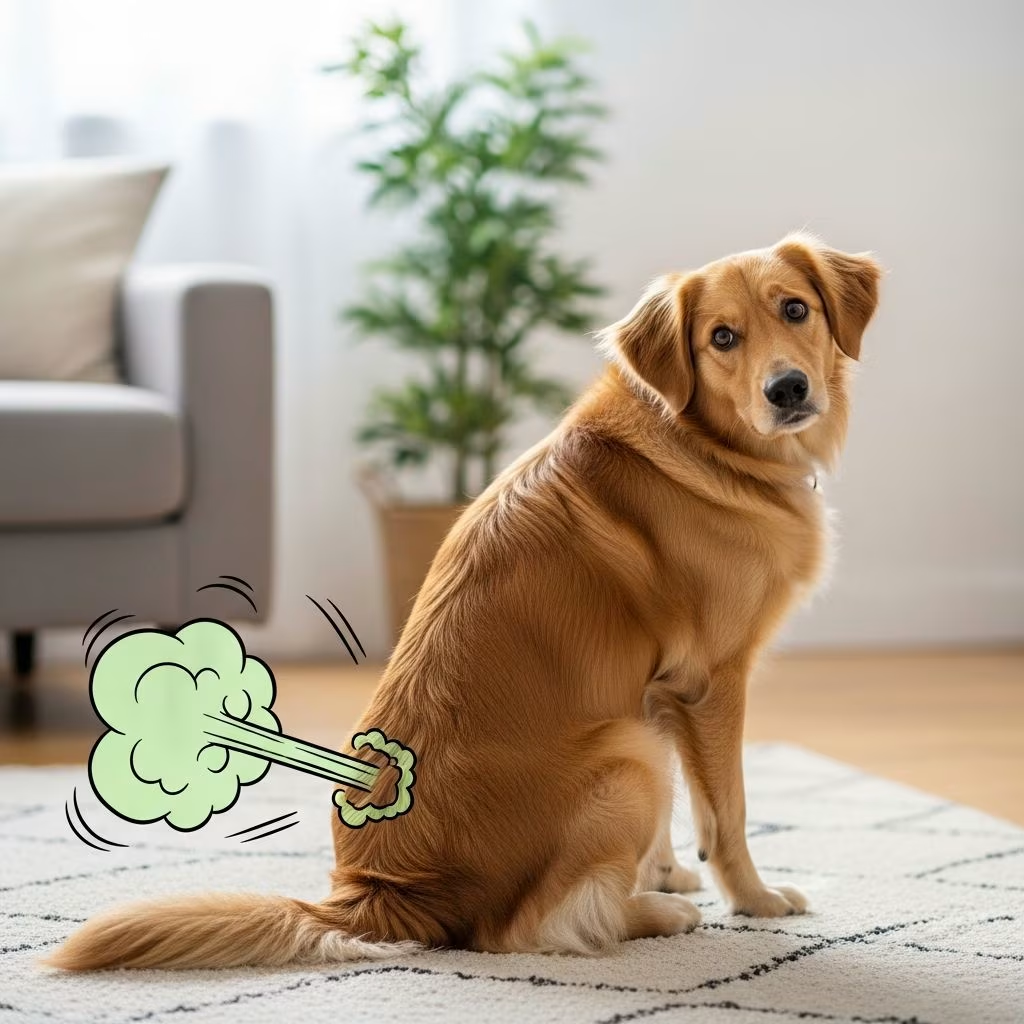
Why Your Dog Farts and What to Do About It
Dog farting can be an unpleasant but common part of pet ownership. The gaseous odors that emanate from your pup can be surprising and overbearing at times. However, most cases of dog flatulence are harmless and completely normal. That said, excessive gas in dogs can sometimes indicate an underlying health condition that requires veterinary attention. Understanding the causes of dog farts and learning how to manage them can help improve both your dog’s comfort and your quality of life together.
Why Do Dogs Fart?
Dogs fart for several different reasons, ranging from dietary factors to medical conditions. The gas that escapes from your dog is typically produced by bacteria in the digestive tract breaking down food components. To effectively manage your dog’s flatulence, it’s important to understand what’s causing it in the first place.
Your Dog’s Diet
What your dog eats plays a huge role in how their digestive tract functions and the amount of gas they produce. Several dietary components are common culprits behind excessive gas in dogs:
- Foods that are difficult to digest, such as soybeans and beans
- High-fat diets
- Spices and seasonings
- High-fiber foods
Bacterial fermentation of nutrients, similar to what occurs in humans, results in the noxious gases that escape from time to time. When dogs consume foods rich in certain ingredients, their digestive systems struggle to break them down efficiently, leading to increased gas production. Dogs are inherently carnivorous and aren’t well-built to digest carbohydrates. They often lack the digestive enzymes needed to break down fibers, potatoes, and grains, causing fermentation in the intestine, which leads to excessive gas.
Swallowed Air
You may be surprised to learn that the source of most gas in dogs comes simply from swallowing too much air. Dogs can take in excessive air in several different ways:
- Gobbling food too quickly: This may occur when dogs compete with other animals for food or eat without proper portion control
- Respiratory disease: A respiratory condition that causes an increased respiratory rate might be the culprit
- Feeding after exercise: Offering food shortly after vigorous exercise, before your dog has had an opportunity to slow their breathing, can increase air ingestion
To minimize air swallowing, feed your dog in a calm environment and ensure they’ve had time to rest before eating if they’ve been active.
Gastrointestinal Disease
Disease may also play a significant role in causing a dog to fart excessively. When gastrointestinal disease is the cause, there are usually other accompanying symptoms. These can include:
- Diarrhea
- Vomiting
- Loss of appetite
- Weight loss
Several specific conditions may be responsible for excessive flatulence:
- Inflammatory bowel disease (IBD): A chronic condition affecting the digestive tract
- Bacterial overgrowth in the small intestine: An imbalance of gut bacteria leading to increased gas production
- Neoplasia: Cancer of the bowel, which can cause digestive disturbances
- Pancreatic disorders: Issues with pancreatic function affecting digestion
- Parasitic infections: Internal parasites that interfere with normal digestion
If you suspect your dog has a gastrointestinal disease, consult your veterinarian promptly for proper diagnosis and treatment.
Why Do Dog Farts Smell So Bad?
The gas produced by your dog can vary dramatically from nearly silent and odorless to loud and foul-smelling. Several factors contribute to the particularly pungent odor of dog flatulence:
Diet and Fermentation
If your dog has a dietary intolerance, such as lactose intolerance, the food may be fermented by bacteria in the gut, which triggers a particularly foul odor. Similarly, bacterial infections and inflammation in the intestinal tract can result in excessive smell. High-fiber foods take longer to digest, which results in stronger-smelling flatulence. Some foods contain sulfur, which produces gas that smells like rotten eggs.
Food Transit Time
Anything that moves food too slowly or too quickly through the intestinal tract will result in gas that has a strong odor. Improper digestion and fermentation of food particles create the characteristic foul smell associated with dog farts. The longer food remains in the digestive tract, the more time bacteria have to ferment it, producing increasingly pungent gases.
Bacterial Activity
Colon bacteria break down carbohydrates and certain fibers through fermentation. Both soluble and insoluble fiber in dog food is fermented by colonic bacteria, contributing to flatulence. Protein sources like soybean meal or peas, often used in commercial dog food, may contribute to flatulence depending on their concentration. The bacterial metabolic byproducts of this fermentation process are responsible for the unpleasant odors.
When To Go to Your Vet
Some gas is normal in dogs, so the occasional smelly fart isn’t anything to be overly concerned about. However, there are specific situations where you should seek veterinary attention:
Signs That Warrant a Vet Visit
You should contact your veterinarian if your dog exhibits any of the following:
- Smelly gas and/or belly gurgling several times a week
- Gas combined with vomiting
- Diarrhea occurring alongside flatulence
- Loss of weight or appetite
- Restlessness or signs of abdominal pain
- Chronic diarrhea
These symptoms, especially when combined with excessive flatulence, suggest that something serious may be happening in your dog’s gastrointestinal system, and this warrants a professional evaluation. Your veterinarian can perform various diagnostic tests, including stool checks, bloodwork, X-rays, and ultrasound, to determine the underlying cause. In some cases, more advanced diagnostics like endoscopy or CT scans may be necessary.
What Can I Give My Dog for Gas Relief?
Addressing dog flatulence requires a systematic approach. Examining your dog’s diet and ruling out actual disease are the first steps in addressing flatulence. If dietary management doesn’t resolve the issue, there are medications that can help if you feel that the problem is significant enough to justify pharmaceutical intervention.
Always speak to your veterinarian for medication recommendations specific to your pup. Your vet can recommend appropriate probiotics, digestive enzymes, or other medications tailored to your dog’s specific situation. Never administer any medication or supplement without veterinary guidance, as some may interact with other treatments or underlying conditions.
How to Prevent Dog Farting
Dog farting can be unpleasant for everyone in the household. Fortunately, there are several practical strategies for helping to minimize your dog’s gas:
Feeding Strategies
Feed smaller meals more frequently: Instead of one or two large meals per day, consider feeding your dog three smaller meals. This approach aids digestion and reduces the amount of food fermenting in the digestive tract at any given time.
Feed meals in a quiet, isolated, noncompetitive environment: Reducing stress and competition during mealtime can slow your dog’s eating pace and reduce air ingestion. Use enrichment toys like KONGs and slow feeders to encourage licking and chewing, which naturally lengthens mealtime.
Dietary Modifications
Choose a highly digestible diet: Consider a GI-friendly dog food formulated for easy digestion. Look for dog foods with high-quality, easily digestible protein sources and limited fiber content. Fiber should ideally be limited to 5% on a dry matter basis or less.
Limit high-fiber treats: Limit treats to those specifically made for dogs and that are low in fiber. Many commercial treats contain fillers and fiber that can contribute to flatulence.
Change protein and carbohydrate sources carefully: Consider changing your pup’s source of protein and carbohydrates. You should do this slowly, over a period of 7-10 days, under the guidance of a veterinarian, as acute diet changes can lead to more upset stomach and potentially increased flatulence.
Lifestyle Adjustments
Manage exercise around mealtime: Avoid vigorous exercise or play immediately before or after eating. Allow your dog time to rest and digest their food before engaging in strenuous activity. Jumping, running, and playing on a full belly can contribute to flatulence.
Prevent scavenging: Be cautious about where your dog has access to food. Put secure covers on garbage cans and don’t let your dog roam into neighbors’ yards or into garages where trash might be stored. Dogs are natural scavengers, and eating inappropriate items can cause excessive gas and other digestive problems.
Frequently Asked Questions
Q: Is it normal for dogs to fart?
A: Yes, farting is completely normal and physiologically appropriate in dogs. Occasional flatulence is not a cause for concern. However, if your dog is farting much more frequently than usual, or if the flatulence is accompanied by other symptoms, it may indicate an underlying issue.
Q: What foods should I avoid giving my dog to reduce gas?
A: Avoid foods that are difficult to digest, such as beans and soybeans, high-fat foods, foods with added spices, and high-fiber foods. Also limit dairy products if your dog has lactose intolerance. Grains and carbohydrates can also contribute to flatulence in some dogs.
Q: How often should I feed my dog to reduce flatulence?
A: Feeding your dog two to three smaller meals per day, rather than one large meal, can help reduce gas production. Smaller, more frequent meals are easier for the digestive system to process.
Q: When should I be concerned about my dog’s gas?
A: You should contact your veterinarian if your dog has smelly gas several times a week, or if gas is accompanied by vomiting, diarrhea, weight loss, loss of appetite, or signs of abdominal pain.
Q: Can probiotics help reduce dog flatulence?
A: Probiotics may help some dogs by promoting healthy gut bacteria balance, but always consult with your veterinarian before starting any supplements. Your vet can recommend the appropriate probiotic strain and dosage for your dog.
Q: What is borborygmus in dogs?
A: Borborygmus refers to grumbling or gurgling sounds in the gastrointestinal system that can sometimes be heard across the room. These sounds are produced by gas movement through the intestines and are often associated with digestion.
References
- Why Your Dog Farts and What to Do About It — PetMD. 2024. https://www.petmd.com/dog/general-health/why-your-dog-farts-and-what-to-do-about-it
- Gas in Dogs and Cats: Dealing with Fetid Flatulence — PetMD. 2024. https://www.petmd.com/dog/centers/nutrition/gas-in-dogs-dealing-with-flatulence
- Dogs and Gas — VCA Animal Hospitals. 2024. https://vcahospitals.com/know-your-pet/dogs-and-gas
- Why Does My Dog Fart So Much — ZIWI Pets. 2024. https://us.ziwipets.com/blogs/digestive-health/dog-farts
- 6 Things That Give Your Pet Gas — PetMD. 2024. https://www.petmd.com/dog/slideshows/6-things-give-your-pet-gas



