

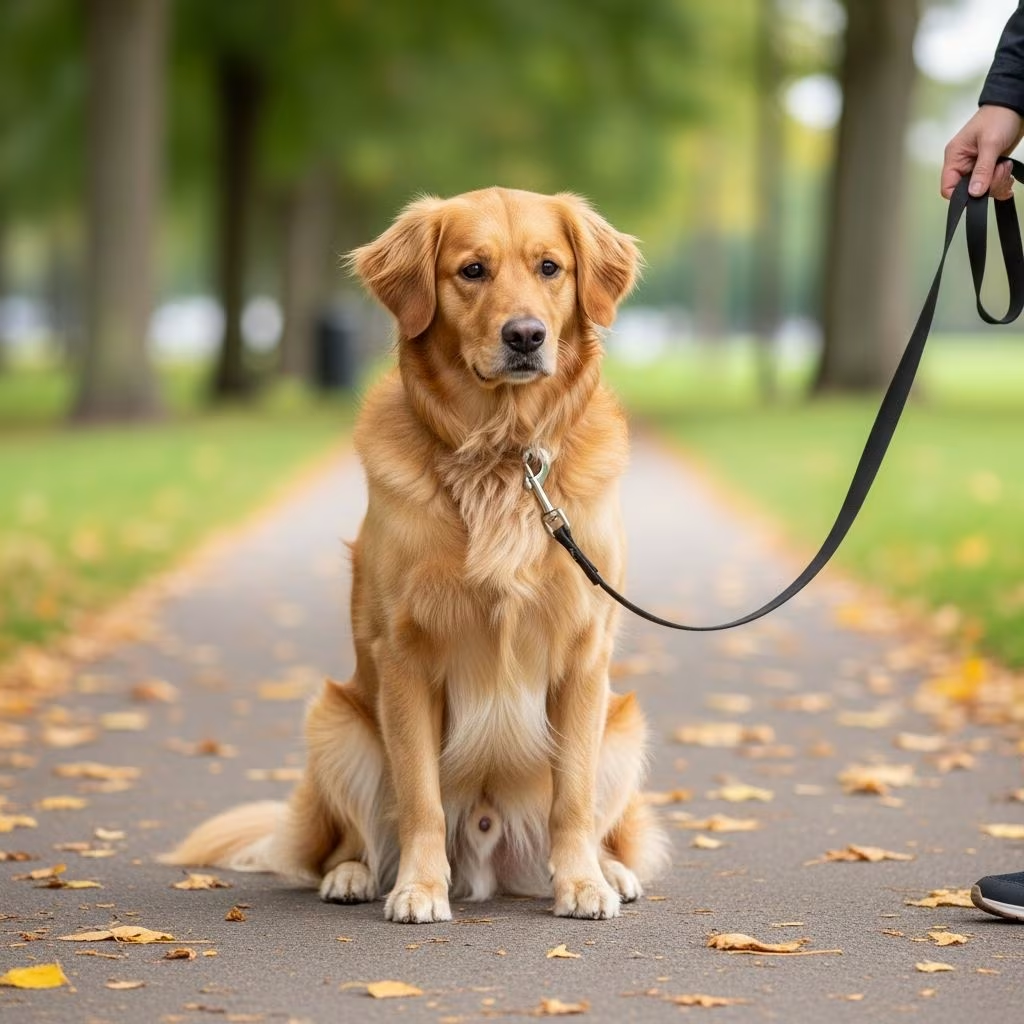
Dogs thrive on exercise, exploration, and sniffing the world during walks, yet many pet parents face the frustrating reality of a dog who plants their paws or cowers at the door. Understanding the root causes—ranging from physical discomfort to emotional fears—can transform these battles into joyful routines. This article breaks down common reasons and offers actionable solutions grounded in canine behavior science.
Physical Discomfort or Pain
The most straightforward reason a dog refuses walks is **physical pain**. Conditions like arthritis, hip dysplasia, or injuries make movement agonizing, leading to limping, stiffness, or outright refusal to budge. Older dogs or breeds prone to joint issues, such as Labrador Retrievers or German Shepherds, are particularly susceptible.
Check for signs: reluctance to jump, whining during motion, or favoring one leg. A veterinary exam is essential—pain medication, joint supplements like glucosamine, or physical therapy can restore mobility. According to a study on dog movement patterns, dogs with higher controllability and lower fear traits return more frequently during walks, suggesting pain disrupts natural behaviors.
- Tip: Start with short, slow walks on soft surfaces like grass to ease discomfort.
- Prevention: Maintain a healthy weight to reduce joint strain; obesity exacerbates issues.
Leash or Collar Issues
Ill-fitting collars or harsh leashes can cause choking sensations, neck pain, or restricted breathing, turning walks into torture. Tight collars pinch, while extendable leashes tangle and jerk unpredictably.
Switch to a well-fitted harness that distributes pressure across the chest—this is crucial for small breeds or pullers. Positive reinforcement training helps: reward calm leash walking with treats. Research shows leadership during walks correlates with trainability, so consistent handling builds compliance.
| Equipment Type | Pros | Cons | Best For |
|---|---|---|---|
| Flat Collar | Simple, inexpensive | Neck strain on pullers | Calm walkers |
| Harness | No neck pressure, secure | Can rub if ill-fit | Pullers, small dogs |
| Head Halter | Reduces pulling | Learning curve | Strong pullers |
Fear or Anxiety
**Fearful dogs** associate walks with trauma: loud traffic, abusive encounters, or unfamiliar stimuli. They may freeze, tuck tails, or pull toward home. Past experiences shape this; a single scary event like fireworks near a walk route can linger.
Desensitization works: Start indoors with leash on, rewarding calm, then progress outside gradually. Use high-value treats for positive associations. Studies link fearful personalities to greater distances from owners during walks, confirming anxiety impacts motion. Pair with calming aids like pheromone collars if needed.
- Expose to triggers at low intensity (distant cars first).
- Exercise in safe zones like fenced yards initially.
Lack of Socialization
Puppies missing critical socialization windows (3-14 weeks) grow wary of new sights, sounds, and dogs. Unsocialized adults balk at leashed greetings or bustling streets.
Remedy with controlled puppy classes or dog park visits (leashed first). Watch body language: stiff posture signals stress. Etiquette matters—always leash up to respect others. Walking styles reveal personality; social butterflies thrive on interactions, while others need space.
Overstimulation or Boredom
Some dogs shut down from **sensory overload**—urban chaos overwhelms. Others bore of repetitive routes, sniffing the same spots daily.
Vary paths: parks, trails, or quiet neighborhoods. Let sniffing dominate; it’s mental exercise equivalent to a human puzzle. Chasers or sniffers show distinct personalities—tailor walks to theirs. GPS data reveals dogs cover 1.8-3.7x owner distance, craving exploration.
Medical Conditions
Beyond pain, issues like vestibular disease (balance loss), heart problems, or cognitive dysfunction in seniors cause walk aversion. Neurological signs include head tilting or circling.
Vet diagnostics (bloodwork, imaging) pinpoint causes. Medications or diets manage many. Dominant, aggressive dogs run faster, but health limits all.
Weather Extremes
Hot pavement burns paws (test with 5-second hand press), cold discourages short-coated breeds. brachycephalics like Bulldogs overheat fast.
Walk dawn/dusk, use booties, or opt for indoor treadmills. Hydrate frequently.
Poor Previous Experiences
Force-pulling or yelling sours walks. Rebuild with patience: short, fun sessions ending on highs.
How to Get Your Dog to Like Walks
Transform reluctance systematically:
- Build Positive Associations: Leash indoors with treats.
- Short Sessions: 5 minutes, increasing gradually.
- High-Value Rewards: Chicken or toys for motivation.
- Choose Quiet Times: Avoid peak hours.
- Train Loose Leash: Stop when pulling; go when slack.
- Incorporate Play: Fetch mid-walk for fun.
Track progress; consistency yields results in weeks.
Alternatives to Traditional Walks
If walks fail, improvise:
- Backyard fetch or flirt poles.
- Treadmill training (supervised).
- Sniffari games in enclosed spaces.
- Car rides to trails.
Behaviorists emphasize mindset shifts for enjoyment.
Dog Walking Personalities and Styles
Walking reveals traits: Social Butterflies greet eagerly, Booty Walkers strut confidently, Side-Swipers seek reassurance. Match strategies to style for success.
Frequently Asked Questions
Why does my dog sit down during walks?
Often pain, fear, or boredom. Vet check first, then desensitize.
How long to train a reluctant walker?
2-6 weeks with daily short sessions.
Is a harness better than a collar?
Yes, for most—reduces injury risk.
What if my dog fears other dogs?
Distance training; muzzle if reactive.
Can senior dogs learn to love walks?
Yes, with adaptations like ramps, slow paces.
References
- Leadership and Path Characteristics during Walks Are Linked to Dominance and Individual Traits in Domestic Vizslas — Ádám Miklósi et al. 2013-12-29. https://pmc.ncbi.nlm.nih.gov/articles/PMC3900374/
- 4 Ground Rules for Good Dog Walking Etiquette — Kinship. Accessed 2026. https://www.kinship.com/dog-lifestyle/dog-walking-etiquette
- What Does Your Dog’s Walking Style Say About Their Personality? — Kinship. Accessed 2026. https://www.kinship.com/dog-behavior/dog-walking-style-personality
- Walking the Dog Doesn’t Have to Be a Chore — Kinship. Accessed 2026. https://www.kinship.com/dog-lifestyle/dog-walking-alternatives



