

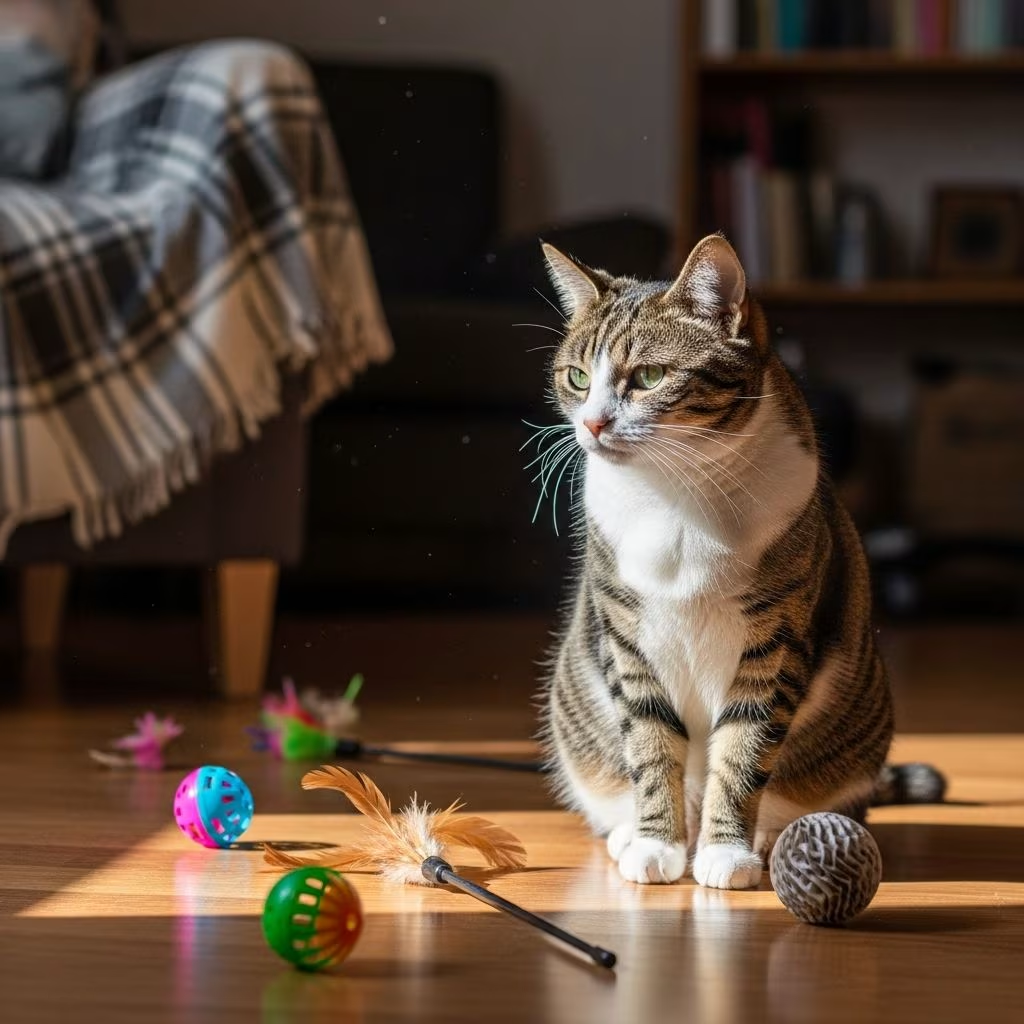
Cats naturally exhibit playful behaviors as part of their hunting instincts, providing exercise, mental sharpness, and emotional balance. A sudden drop in playfulness often signals underlying problems like health issues, environmental stress, or developmental shifts, requiring prompt observation and action.
Understanding Play as Essential to Feline Well-Being
Play mimics predatory actions such as stalking and pouncing, essential for physical fitness and cognitive health in cats. It serves as a stress reliever, similar to human exercise, helping to dissipate energy and curb anxiety-driven habits like over-grooming. Without regular play, cats risk boredom, which can escalate to behavioral issues including aggression or withdrawal.
Social play strengthens bonds, whether with littermates, other pets, or owners. Kittens learn vital cues through interaction, and adults maintain emotional security via these activities. A decline here may reflect distress, as secure cats readily engage in fun.
Health-Related Reasons for Reduced Play Drive
Physical ailments top the list of why cats shun play. Chronic pain from arthritis, dental disease, or infections saps energy, making movement unappealing. Lethargy accompanies appetite loss or litter box avoidance, urging a veterinary check.
Mental health ties closely; depression manifests as disinterest in former joys, paired with excessive sleep or neglect of grooming. Anxiety triggers restlessness or hiding, disrupting normal patterns. Early vet visits detect issues like hyperthyroidism or kidney problems mimicking behavioral shifts.
| Symptom | Possible Health Cause | Action Step |
|---|---|---|
| Lethargy and no play | Pain or illness | Vet exam |
| Appetite drop | Systemic disease | Blood tests |
| Over-sleeping | Depression/anxiety | Behavioral consult |
Age and Life Stage Influences on Playfulness
Kittens burst with energy, but adults mellow, prioritizing rest over constant action. Seniors face cognitive decline, akin to dementia, reducing initiative for play. Mobility limits from joint stiffness further deter activity.
Developmental phases matter: post-kittenhood, play wanes if not encouraged, leading to sedentary habits. Older cats need gentler stimulation to combat isolation and maintain muscle tone.
Environmental Stressors Disrupting Play
Cats crave stable territories; disruptions like moves, new pets, or rearranged furniture provoke anxiety, halting play as they prioritize safety. Separation from owners fosters attachment issues, manifesting as clinginess or apathy.
- New household members alter dynamics, sparking conflict.
- Loud noises or construction heighten vigilance over fun.
- Multi-cat homes breed rivalry, suppressing individual play.
Lack of stimulation bores cats, who thrive on novelty. Static routines without puzzles or exploration lead to frustration.
Behavioral Signals Beyond Play Loss
Watch for clusters: litter avoidance signals stress, possibly from insecurity. Grooming extremes—overdoing to baldness or neglect—hint at compulsion or despair. Social shifts, like sudden aggression or hiding, underscore emotional turmoil.
Sleep changes vary: hypersomnia suggests low mood, while insomnia points to worry. Track patterns for holistic insight.
Strategies to Revive Your Cat’s Play Instinct
Start with veterinary clearance to exclude medical roots. Tailor toys to preferences—some chase lasers, others bat balls. Rotate items weekly for freshness.
Incorporate interactive sessions: 10-15 minutes daily with wand toys builds routine and trust. Food puzzles turn meals into hunts, boosting cognition and satisfaction.
- Use feather teasers for predatory thrills.
- Hide treats for foraging practice.
- Set up climbing towers for vertical exploration.
Enrich environment: window perches for bird-watching, scratching posts for marking. Gentle petting mimics grooming, fostering security.
Nutrition and Routine for Optimal Energy
Balanced diets with varied textures prevent monotony, aiding mental engagement. High-protein foods fuel activity without obesity risks. Scheduled feedings align with play, using hunger to motivate.
Consistent routines reassure, minimizing stress. Gradual introductions of changes preserve equilibrium.
Building Stronger Bonds Through Play
Owner participation trumps solo toys, enhancing social ties. Observe body language—dilated pupils signal excitement. End sessions positively to avoid frustration.
For multi-pet homes, separate playtimes reduce competition. Patience with shy cats yields gradual progress.
Long-Term Prevention of Play Decline
Spay/neuter curtails roaming urges, channeling energy homeward. Annual wellness exams catch issues early. Track behavior logs to spot trends promptly.
Socialize kittens broadly for resilient adults. Seniors benefit from soft toys and heated beds supporting gentle activity.
Frequently Asked Questions
Is it normal for adult cats to stop playing?
Adults play less than kittens but should engage sporadically. Persistent refusal warrants investigation.
How long before seeing a vet for no play?
If over 24-48 hours with other symptoms like appetite loss, consult immediately.
Can stress alone cause play loss?
Yes, environmental shifts trigger withdrawal; enrich to counter.
What toys best suit older cats?
Gentle kickers, tunnels, or slow-moving lasers accommodate limits.
Does diet affect playfulness?
Nutrient-rich meals sustain energy; puzzles add mental fun.
References
- Mental Health in Cats, Part 1: Cat Behavior and Its Connection to Mental Health — BSM Partners. 2023. https://www.bsmpartners.net/insights/mental-health-in-cats-part-1-cat-behavior-and-its-connection-to-mental-health/
- When Your Cat Doesn’t Like to Play — Oakland Veterinary Referral Services. 2023. https://www.ovrs.com/blog/cat-doesnt-like-to-play/
- Cat Unusually Lethargic Behavior Concern — Dial A Vet. 2024. https://www.dialavet.com/vet-answers/cat-unusually-lethargic-behavior-concern-78602
- Normal Feline Behaviour: … and Why Problem Behaviours Develop — PMC (Peer-reviewed). 2024-09-12. https://pmc.ncbi.nlm.nih.gov/articles/PMC11395290/



