

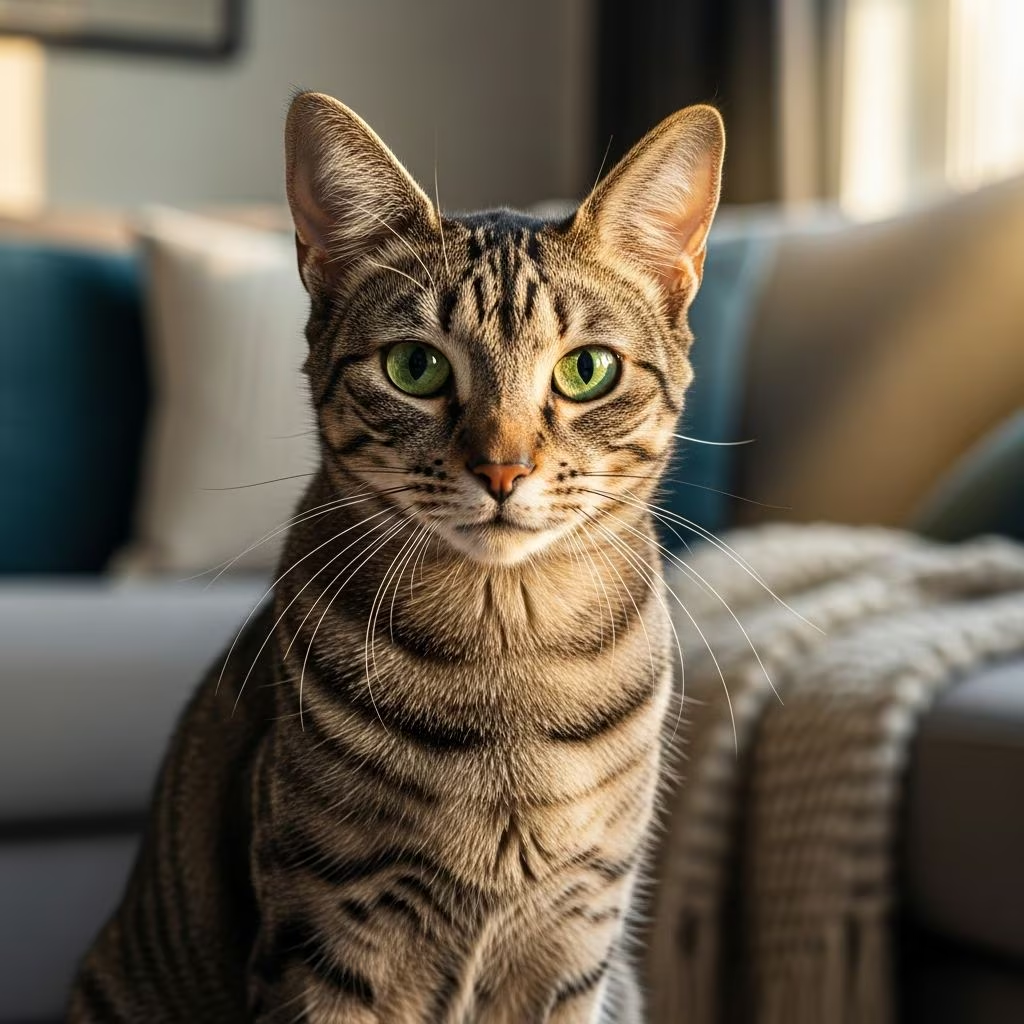
Observing prominent bones on your cat’s body can be alarming for any pet owner. This visible leanness often points to unintended weight loss, which may stem from various underlying factors ranging from dietary shortcomings to serious medical conditions. Understanding these causes is crucial for timely intervention.
Recognizing the Signs of Weight Loss in Cats
Weight loss in cats becomes noticeable when you can feel or see their ribs, spine, and hip bones with ease. Healthy cats should have a slight fat covering over these areas, allowing you to feel but not see the bones distinctly. Other indicators include a tucked abdomen, reduced muscle mass, and a general lack of energy.
- Sudden or gradual thinning of the coat
- Changes in appetite, either increased or decreased
- Lethargy or reluctance to play
- Altered litter box habits, such as more frequent urination
Monitoring your cat’s weight monthly using a pet scale helps track these changes early. A loss of more than 10% of body weight over a short period warrants immediate veterinary attention.
Common Medical Causes Behind Feline Weight Loss
Several health issues can lead to your cat becoming noticeably underweight. These conditions disrupt normal metabolism, nutrient absorption, or appetite regulation.
Endocrine Disorders: Diabetes and Hyperthyroidism
Feline diabetes occurs when the body fails to produce sufficient insulin, leading to poor glucose utilization. Cats may eat voraciously yet lose weight due to calories being excreted in urine. Accompanying signs include excessive thirst and urination.
Hyperthyroidism, prevalent in senior cats, involves overactive thyroid glands accelerating metabolism. Affected cats often show ravenous hunger, restlessness, vomiting, and diarrhea alongside weight loss.
Organ Dysfunction: Kidney and Liver Disease
Chronic kidney disease (CKD) causes toxin buildup, nausea, and increased water intake. Weight loss results from reduced appetite and poor nutrient processing.
Liver issues, including fatty liver disease from rapid dieting, impair fat metabolism, leading to severe weight loss and jaundice.
Gastrointestinal Disruptions
Problems like inflammatory bowel disease (IBD), food allergies, or pancreatitis hinder nutrient absorption. Symptoms encompass chronic diarrhea, vomiting, and coat changes.
Parasites and Infections Stealing Nutrients
Intestinal parasites such as roundworms, hookworms, and tapeworms rob cats of vital nutrients. Kittens acquire them from mothers, while adults get them from fleas, prey, or contaminated environments. Visible segments in stool or scooting behaviors signal infestation.
Infectious diseases, including viral or bacterial agents, suppress appetite and cause systemic inflammation, exacerbating weight loss.
Environmental and Behavioral Factors
Not all weight loss is medical. Stress from new pets, household changes, or insufficient litter boxes reduces eating. Dental pain from gingivitis or broken teeth also deters meals, evident by drooling, bad breath, or selective chewing.
Competition in multi-cat homes or inadequate food access can mean some cats go hungry. Poor diet quality fails to meet caloric needs, especially in growing kittens or pregnant queens.
How Veterinarians Diagnose the Problem
A thorough exam starts with history-taking on diet, behavior, and symptoms. Key diagnostics include:
| Test | Purpose | Common Findings |
|---|---|---|
| Bloodwork | Checks organ function, glucose, thyroid levels | Elevated kidney values, high glucose |
| Urinalysis | Assesses kidney health, diabetes | Glucose in urine, dilute urine |
| Fecal Exam | Detects parasites | Worm eggs or segments |
| Imaging (X-rays, Ultrasound) | Views organs, tumors | Enlarged kidneys, masses |
| Dental Inspection | Identifies oral issues | Inflamed gums, abscesses |
Advanced tests like endoscopy may follow for GI issues.
Treatment Strategies for Recovery
Treatment targets the root cause:
- Parasites: Dewormers like pyrantel or praziquantel, repeatable as needed.
- Diabetes: Insulin injections, low-carb diets, monitoring.
- Hyperthyroidism: Medication (methimazole), surgery, or radioactive iodine.
- Kidney Disease: Fluid therapy, phosphorus binders, renal diets.
- Dental Issues: Professional cleaning, extractions under anesthesia.
- Stress: Environmental enrichment, pheromone diffusers, behavior consults.
Supportive care includes appetite stimulants, assisted feeding, and nutritional supplements to prevent hepatic lipidosis.
Preventing Weight Loss Through Proactive Care
Regular vet check-ups, especially for seniors, catch issues early. Provide high-quality, species-appropriate food measured daily. Ensure flea control to block parasite transmission. Minimize stressors with vertical spaces and multiple resources in multi-cat homes.
Weigh cats routinely and adjust portions based on life stage. Vaccinations and parasite preventives safeguard against infections.
When to Seek Emergency Help
Rush to the vet if weight loss accompanies collapse, persistent vomiting, blood in stool/urine, or breathing difficulties. These signal critical conditions like cancer or organ failure.
FAQs on Cat Weight Loss
What if my cat is eating but still losing weight?
This classic sign points to metabolic diseases like diabetes or hyperthyroidism, where nutrients aren’t utilized properly.
Can stress alone cause severe weight loss?
Yes, chronic anxiety suppresses appetite long-term, mimicking illness. Rule out medical causes first.
How much weight loss is dangerous for cats?
Over 10% in weeks is concerning; rapid loss risks fatty liver disease.
Is weight loss common in older cats?
Very; hyperthyroidism, kidney disease, and cancer peak in seniors.
Can home remedies fix a skinny cat?
No, professional diagnosis is essential; self-treatment risks worsening conditions.
Addressing weight loss promptly can significantly improve your cat’s quality of life. Collaborate with your vet for tailored care.
References
- 9 Reasons Your Cat May Be Losing Weight — Congress Avenue Veterinary Clinic. 2023. https://congressavevet.com/news/9-reasons-your-cat-may-be-losing-weight/
- Why Is My Cat Losing Weight? — Atlantic Veterinary Internal Medicine. 2024. https://www.avim.us/blog/why-is-my-cat-losing-weight
- Why is My Cat Losing Weight? Weight Loss in Cats — PetMD. 2025. https://www.petmd.com/cat/symptoms/cat-losing-weight
- Testing for Weight Loss in Cats — VCA Animal Hospitals. 2024. https://vcahospitals.com/know-your-pet/testing-for-weight-loss-in-cats
- Why Is My Cat Losing Weight? — Zoetis Petcare. 2024. https://www.zoetispetcare.com/blog/article/why-cat-losing-weight
- Weight Loss in Cats — Joii Pet Care. 2024. https://www.joiipetcare.com/blogs/health-symptoms/weight-loss-in-cats



