

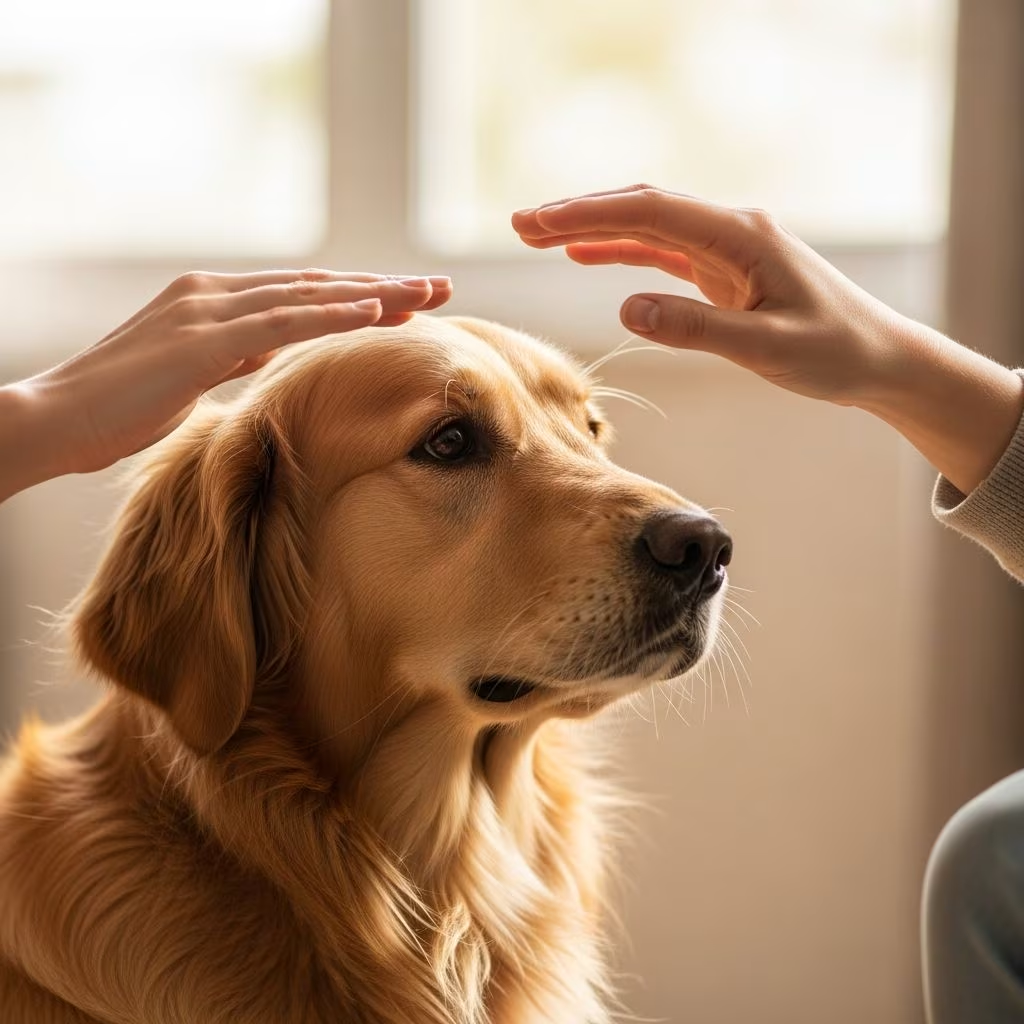
Respecting your dog’s autonomy by seeking their consent in everyday interactions isn’t just polite—it’s essential for their emotional well-being and your relationship. Dogs communicate clear signals through body language, and ignoring them can lead to stress, fear, or aggression. By learning to “ask” and read responses, you empower your dog, reduce anxiety, and create a foundation of trust. This approach aligns with modern canine caregiving, drawing parallels to human parenting styles where responsiveness promotes secure attachments.
What Does ‘Consent’ Mean for Dogs?
Consent in dog terms means giving your pup a choice and respecting their “yes” or “no” via body language cues. Unlike humans, dogs can’t verbally agree, but they offer enthusiastic participation or clear withdrawal signals. Forcing interactions disregards their needs, potentially eroding the bond you share. Research shows that dogs treated with warmth and responsiveness exhibit secure attachment behaviors, seeking proximity in stressful situations. This mirrors authoritative parenting styles, which balance structure with empathy, leading to better outcomes for both children and dogs.
Protectionistic orientations—viewing dogs as companions with species-specific needs—correlate with responsive caregiving that honors consent, reducing authoritarian tendencies like harsh corrections. Humanistic attitudes further encourage compensatory permissive behaviors, prioritizing the dog’s emotional state.
Why Asking for Consent Builds a Stronger Bond
Seeking consent transforms routine handling into collaborative experiences, boosting your dog’s confidence and your mutual trust. Dogs in permissive, choice-based environments show higher sociability and problem-solving skills. It prevents learned helplessness, where repeated force leads to shutdown or avoidance.
- Reduces Stress: Allowing opt-ins lowers cortisol levels, as dogs feel in control.
- Enhances Learning: Positive reinforcement paired with choice accelerates training.
- Prevents Bites: Respecting boundaries averts defensive reactions from overwhelmed dogs.
Veterinary behaviorists emphasize that consent-based handling, like offering choices during nail trims, turns dreaded tasks into enjoyable ones, fostering lifelong compliance without force.
How Dogs Say ‘Yes’ or ‘No’: Reading Body Language
Dogs are masterful communicators if we pay attention. A “yes” looks relaxed and engaged; a “no” signals discomfort. Key indicators include:
| Signal | Yes (Consent) | No (Withdraw Consent) |
|---|---|---|
| Ears | Relaxed, forward | Back, pinned |
| Eyes | Soft, almond-shaped | Hard stare, whale eye (whites showing) |
| Mouth | Soft, slightly open (relaxed pant) | Lips tight, yawning, lip licking |
| Body | Loose, leaning in, play bow | Stiff, frozen, turning away, tucked tail |
| Tail | Wagging broadly at mid-height | Tucked, rapid flicking |
Practice by pausing before petting: extend a hand at chest level. A lean-in or sniff is yes; head turn or lip lick is no. This simple protocol prevents misunderstandings, as dogs recognize kin and household members via scent and respond differently to familiar vs. strangers.
Practical Ways to Ask for Consent Daily
Integrate consent into routines for seamless benefits. Start small to build habits.
Petting and Handling
Approach from the side, palm up. Wait for approach before touching. Focus on chest or shoulders—avoid head pats unless invited. If they nudge for more, consent granted; if they walk away, respect it.
Nail Trims and Grooming
Train with choice: offer paw, reward voluntary lifts. One dog learned to present paws for filing, choosing when ready, transforming dread into delight. Pair with high-value treats for association.
Vet Visits and Husbandry
Practice “mock vets” at home: touch paws, ears, mouth with pauses for consent. Use peanut butter for mouth exams. This prepares dogs for unavoidable procedures while honoring preferences where possible.
Leash Walks and Car Rides
Let them choose pace initially. For cars, lure with treats near door; back off if stressed.
- Pro Tip: Use “consent games” like “touch” targeting your hand.
Common Mistakes and How to Fix Them
Many owners unintentionally pressure dogs, mistaking tolerance for enjoyment.
- Hugging: Dogs often freeze in “brace” positions. Opt for side-by-side leans.
- Staring: Perceived as threat; use soft blinks.
- Looming: Bend at knees, not over them.
Positive reinforcement training yields secure attachments, unlike punishment-based methods that increase avoidance. Dogs with reward-trained owners show stronger bonds and playfulness.
The Science Behind Dog Consent and Welfare
Intergenerational parenting styles influence dog caregiving: permissive upbringings lead to empathetic dog parenting, mediated by orientations toward animals. Authoritative styles—responsive yet structured—best support welfare, echoing child development models. Dogs viewed as family members receive more affectionate, consent-oriented care, enhancing obedience and safety perceptions.
Street dogs form flexible groups, not nuclear families, but domestic dogs integrate into human “packs” via shared experiences, recognizing group membership. Consistent, predictable affection solidifies this, with consent amplifying security.
Consent in Multi-Dog Homes and with Kids
Supervise inter-dog greetings: parallel walks before face-to-face. Teach kids to ask consent—hand out, no chasing. This prevents resource guarding or fear bites, promoting harmonious homes.
Frequently Asked Questions (FAQs)
What if my dog never says ‘yes’?
Build positive associations gradually with treats and breaks. Persistent avoidance signals vet-check needs for pain or trauma.
Is consent permissive parenting?
No—it’s empowering. Dogs still learn boundaries through structure, but with choice where safe.
Can puppies learn consent?
Yes, start early. One puppy chose lap time after 30 minutes of patient offering.
Does breed matter?
Body language is universal; individuals vary by experience.
How does consent affect training?
It accelerates learning via enthusiasm, reducing resistance.
Start Today: Your Consent Checklist
- Observe baseline calm signals.
- Pause before every touch.
- Reward yes’s lavishly.
- End on highs.
- Track progress in a journal.
Embracing dog consent revolutionizes companionship, yielding calmer, happier dogs and deeper bonds. Your pup thanks you with tail wags and trust.
References
- Intergenerational Transmission of Human Parenting Styles to Dog Caregiving — Animals (MDPI/PMC). 2024-04-17. https://pmc.ncbi.nlm.nih.gov/articles/PMC11010965/
- You Consider Your Dog a Part of the Family—But Do They Understand? — Kinship. 2023. https://www.kinship.com/dog-behavior/do-dogs-understand-family
- Consent: Why It Matters for Dogs — Fear Free Happy Homes. 2023. https://www.fearfreehappyhomes.com/consent-why-it-matters-for-dogs/
- Dogs: Owner Practices vs. Canine Behavior Problems — Animals (MDPI/PMC). 2024. https://pmc.ncbi.nlm.nih.gov/articles/PMC11557872/



