

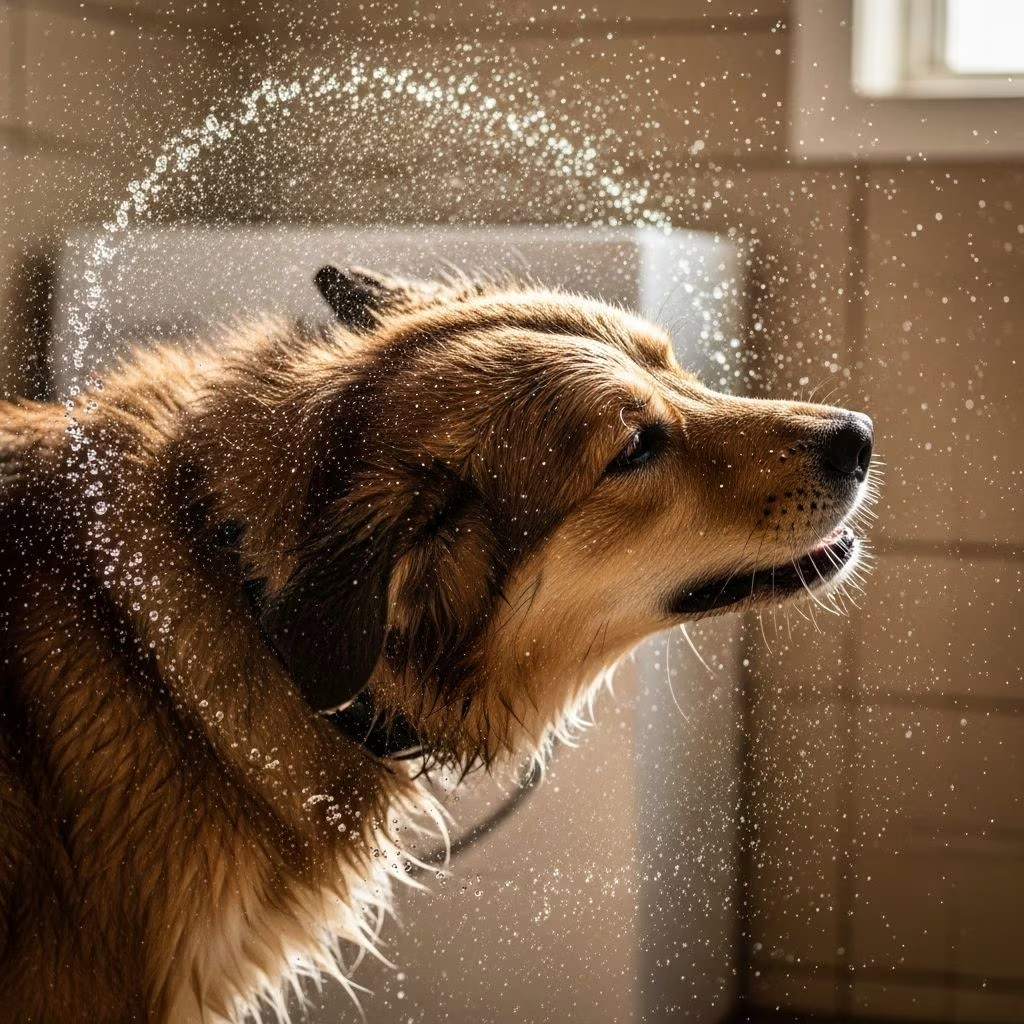
The unmistakable aroma that wafts from a dog after a dip in the lake or a post-rain romp is a universal pet owner experience. Far from being a simple matter of wetness, this **wet dog smell** stems from complex biological and chemical interactions on your pet’s coat. Understanding the root causes empowers owners to manage and minimize this odor effectively.
The Microbial Culprits Living on Your Dog’s Skin
Dogs host a diverse ecosystem of microorganisms on their skin and fur, including bacteria and yeast. These tiny residents form part of the canine microbiome, thriving harmlessly in normal conditions. They constantly produce volatile organic compounds—small molecules that contribute to a dog’s baseline musky scent when dry.
Water acts as a catalyst. When it soaks into the fur, it disrupts the bonds holding these compounds in place, liberating them into the air as the coat dries. This process intensifies the odor, turning a subtle scent into a pervasive stench. Humid environments exacerbate the issue, as moist air carries more odor molecules to your nose.
- Bacteria and yeast populations: Typically, 350 to 16,500 bacteria per square centimeter reside on healthy dog skin.
- Compound release: Water evaporation lifts these molecules airborne, creating a ‘stink cloud’ that follows the dog.
- Normal occurrence: These microbes are benign and essential for skin health, not a sign of illness.
Chemical Breakdown of the Wet Dog Aroma
Scientific analysis reveals over 22 distinct compounds contributing to the smell. These include sulfurous notes reminiscent of rotten eggs, medicinal hints, earthy undertones, and even fruity or floral elements that clash unpleasantly when combined.
The American Chemical Society highlights how water molecules interact with these volatiles. Dry fur traps them, but wetness emulsifies and volatilizes them, amplifying detection by human olfactory receptors. Dogs, with 220 million scent receptors compared to humans’ 5 million, perceive these smells differently—often finding them appealing or neutral.
| Compound Type | Descriptive Scent | Role in Wet Dog Smell |
|---|---|---|
| Sulfurous | Rotten eggs, garlic | Primary pungent contributor |
| Medicinal | Antiseptic, sharp | Intensifies post-wetness |
| Earthy/Fungal | Mushroom, damp soil | From yeast byproducts |
| Fruity/Floral | Sweet, overripe | Unexpected clashing notes |
Factors That Amplify the Stench
Not all wet dogs smell equally bad. Several variables influence odor intensity:
- Breed and coat type: Thick, double-coated breeds like Labradors trap more moisture and microbes.
- Activity level: Dogs that roll in dirt or water harboring bacteria pick up extras.
- Health status: Skin conditions like allergies can boost microbial overgrowth.
- Environmental humidity: High moisture in the air prolongs evaporation and odor dispersal.
Post-bath smells puzzle many owners. Even with shampoo, residual water in dense fur reactivates compounds. Warm, humid bathroom air further concentrates the aroma.
Health Implications: When Odor Signals a Problem
Occasional wet dog smell is harmless, but persistent or unusually foul odors warrant attention. Excessive bacteria or yeast might indicate:
- Yeast infections: Often in moist areas like paws or ears, causing cheesy smells.
- Bacterial hotspots: From poor drying after swims.
- Dietary influences: Poor nutrition can alter skin oils, feeding microbes.
Consult a vet if accompanied by itching, redness, or hair loss. Routine grooming maintains balance.
Proven Strategies to Combat Wet Dog Smell
Prevention beats cure. Quick drying is key—towel off thoroughly and use high-velocity dryers to evaporate water fast, starving microbes of dampness.
- Post-water ritual: Rub with microfiber towels, then air dry in a low-humidity space.
- Grooming products: Choose shampoos with antimicrobial agents like chlorhexidine, but avoid over-bathing to preserve natural oils.
- Weekly maintenance: Brush to distribute oils and remove debris.
For stubborn cases, add apple cider vinegar rinses (1:1 with water) to adjust skin pH, discouraging yeast. Baking soda dry shampoos absorb odors between baths.
Breed-Specific Grooming Tips
| Breed Group | Coat Challenges | Tailored Solutions |
|---|---|---|
| Water Lovers (Labs, Goldens) | Dense undercoat holds water | Force drying, weekly baths |
| Short-Haired (Beagles, Boxers) | Less fur, but oily skin | Wet wipes, quick towel-offs |
| Wire-Haired (Terriers) | Coarse fur traps debris | Brushing + vinegar sprays |
DIY Remedies and Myths Busted
Tomato juice? Ineffective for dog odors—better for skunks. Perfume masks smells temporarily but irritates skin. Focus on root causes.
- Effective home brew: Mix 1 cup white vinegar, 1 cup baking soda, 2 cups warm water for a deodorizing spray.
- Oatmeal baths: Soothe skin while mildly cleansing.
- Myth: Frequent baths eliminate microbes—they disrupt microbiome balance.
Long-Term Prevention Through Diet and Lifestyle
Quality diet supports skin health. Omega-3 supplements reduce inflammation, limiting microbial feasts. Probiotic chews bolster good bacteria.
Regular vet check-ups catch issues early. Outdoor dogs benefit from post-rain rinses with hose and pet-safe shampoo.
FAQs: Wet Dog Smell Solutions
Why does my clean dog still smell bad after a bath?
Residual moisture activates compounds; dry thoroughly in open air.
Is wet dog smell harmful to my pet?
No, it’s normal unless paired with health symptoms.
How can I stop my dog from smelling after rain?
Bootstrap with towels, then use a pet dryer or fan.
Do certain breeds smell worse when wet?
Yes, double-coated breeds retain more water and microbes.
Can diet affect wet dog odor?
Absolutely—fish oils improve coat quality, reducing issues.
Seasonal Considerations for Odor Control
In rainy seasons, proactive measures shine. Invest in water-repellent coats for puddle-jumpers. Summer humidity calls for frequent brushing to ventilate fur.
Winter baths need careful drying to avoid chills. Year-round, maintain a clean sleeping area—wash beds weekly to prevent odor buildup.
References
- Why Do Wet Dogs Have a Wet Dog Smell? — Britannica. 2023-10-15. https://www.britannica.com/story/why-do-wet-dogs-have-a-wet-dog-smell
- Why Wet Dogs Smell Bad — Business Insider. 2015-06-25. https://www.businessinsider.com/why-wet-dogs-smell-bad-2015-6
- Watch: The chemistry behind why wet dogs stink — Science.org (AAAS). 2016-08-03. https://www.science.org/content/article/watch-chemistry-behind-why-wet-dogs-stink
- Why Wet Dogs Equal Stinky Dogs! — East Valley K9 Services. 2022-05-12. https://eastvalleyk9.com/why-wet-dogs-equal-stinky-dogs/
- Why Does a Wet Dog Smell Bad—And What Can I Do About It? — Orvis News. 2023-07-20. https://news.orvis.com/dogs/why-does-a-wet-dog-smell-bad
- Why Do Wet Dogs Stink? + Other Canine Chemistry — American Chemical Society (YouTube). 2016-08-01. https://www.youtube.com/watch?v=X9AozZLZnCU



