

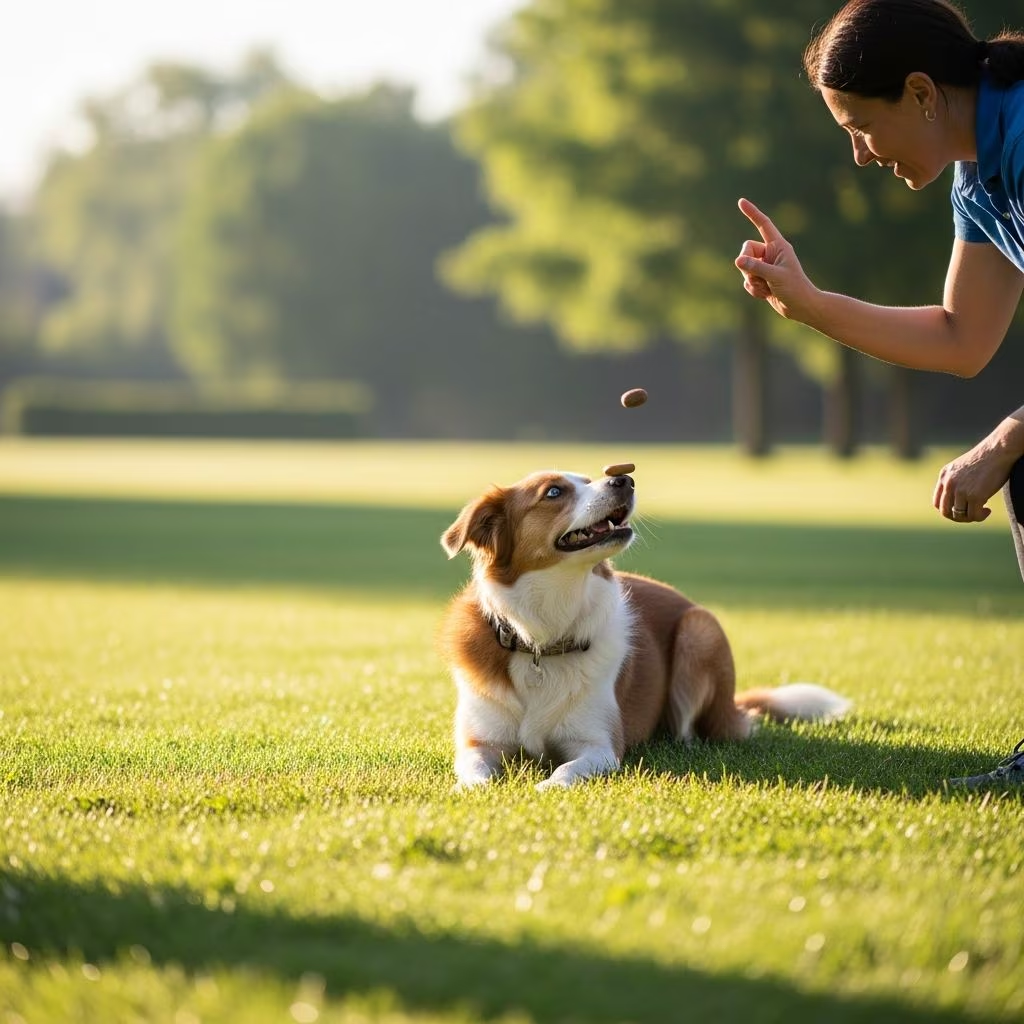
Teaching your dog tricks goes far beyond cute party performances—it’s a powerful tool for building confidence, improving focus, and enhancing everyday interactions. Tricks like “touch,” “spin,” and “shake” help dogs navigate uncertain situations, redirect unwanted behaviors, and even assist during vet visits, making training both fun and functional.
What’s the Point of Trick Training?
Many dog owners dismiss trick training as frivolous, focusing instead on basics like sit, stay, and come. However, professional trainers like Nicole Ellis, CPDT-KA, emphasize that tricks offer substantial benefits. They help dogs gain confidence in new or stressful environments, where nervousness might otherwise cause freezing or reactivity. By cueing a familiar trick, you engage their brain and body, shifting focus from anxiety triggers to a rewarding task.
For instance, if your dog fixates on another dog during a walk, prompting a “touch” or “watch” cue redirects attention, preventing barking or lunging. This practical application surprises many clients who initially view tricks as unnecessary showmanship. Beyond behavior management, tricks promote physical coordination, loosening muscles through movements like spinning, and foster a deeper human-dog bond through positive reinforcement.
Research in canine behavior supports this: varied physical positions and movements from tricks enhance flexibility and body awareness, making dogs more adaptable in real-life scenarios. Tricks also provide mental stimulation, crucial for preventing boredom-related issues like destructive chewing.
Benefits of Trick Training
Trick training yields multifaceted advantages, from emotional resilience to practical utility. Here’s a breakdown:
- Boosts Confidence: Performing known tricks in novel settings helps shy or anxious dogs move past hesitation, encouraging exploration.
- Improves Focus and Impulse Control: Tricks interrupt reactive behaviors, teaching dogs to prioritize owner cues over distractions.
- Enhances Physical Health: Movements like spinning or crawling promote joint mobility and muscle tone, beneficial for dogs of all ages.
- Practical Vet and Grooming Aid: Tricks like “belly up” or “shake” facilitate examinations, nail trims, and cleaning without force.
- Strengthens Bond: Shared learning sessions build trust and communication through rewards, reducing frustration in training.
- Mental Stimulation: Prevents cognitive decline in senior dogs and curbs boredom in active pups.
According to certified trainers, these benefits extend to social settings, where tricks like a play bow can de-escalate tensions with other dogs by signaling playfulness.
Easy Tricks to Teach Your Dog
Start with these three beginner-friendly tricks recommended by Nicole Ellis. Use high-value treats and short sessions (5-10 minutes) for success. Positive reinforcement ensures quick learning without stress.
Touch
This foundational trick teaches nose-to-hand contact, ideal for focus redirection. Hold your palm a few centimeters from your dog’s nose. When they sniff or touch, say “good” and reward immediately. Repeat daily.
Progress by moving your hand sideways, then farther away—up to across the room. Ignore paws, licks, or shakes; withdraw your hand and retry. Name the cue “touch” once reliable. Applications: Redirects attention from triggers like other dogs.
Spin in a Circle
Great for physical loosening and fun energy burn. Lure with a treat at nose level, guiding your dog in a full circle. Reward completion. If incomplete, mark and treat partial turns.
Keep the treat at nose height to prevent jumping. Fade the lure over time, adding the verbal cue “spin.” Benefits: Improves coordination and releases pent-up energy before walks.
Shake a Paw
A classic for greetings and handling. Close your fist with a treat inside; wait patiently. Reward paw touches immediately—ignore licks. Repeat until consistent.
Transition to an open palm-up hand. Switch paws for balance. Uses: Eases nail trims, vet blood draws, or paw drying post-walk.
More Useful Tricks for Everyday Life
Expand your dog’s skill set with these practical tricks from Karen B. London, PhD, CAAB, CPDT-KA. They offer real-world utility beyond impressing friends.
| Trick | How to Teach | Practical Benefit |
|---|---|---|
| Crawl | Lure under a low object with treat; reward belly-down movement. | Cleans muddy paws in grass/snow before entering home. |
| Handshake | Extend paw on cue after mastering shake. | Aids vet exams, injury checks, towel drying. |
| Belly Up | Cue roll to back with legs up for rubs. | Exposes belly for burr removal or vet access. |
| Beg | Balance on hind legs, front paws up. | Quick belly grooming or photo poses. |
| What? | Pair head tilt with a sound; reward cute angle. | Endearing photos with natural expressions. |
| Bow | Lure front down, rear up for play bow. | Signals play to other dogs, eases greetings. |
| Up | Cue jump/step onto scale or surface. | Weighing at vet; combine with stay. |
These tricks emphasize voluntary positioning over physical manipulation, reducing stress during medical or grooming needs.
Trick Training for All Ages
Old dogs absolutely can learn new tricks. Training provides mental workouts that combat age-related decline, much like puzzles for humans. It strengthens owner bonds and keeps seniors engaged. Start slow with familiar dogs, using their favorite rewards.
For puppies, tricks build a strong training foundation early. Puppies under 16 weeks excel with short, playful sessions. Adults benefit from tricks addressing specific issues like leash reactivity.
Advanced Tips: Veterinary Prep and Consent
Trainers like Monique Feyrecilde advocate combining tricks with vet prep. Teach restraint holds, body positioning, and touch gradients (mapping comfortable touch areas). Use “start buttons” (consent signals) for fancy behaviors vs. simple cues.
Create a body map: Note sensitive areas for gradual desensitization. This reduces vet stress, improves care quality, and applies to grooming.
Frequently Asked Questions (FAQs)
Is trick training suitable for all dogs?
Yes, adaptable for puppies, adults, and seniors using positive methods. Adjust for physical limitations.
How long does it take to teach a trick?
Basic tricks like touch take 3-7 days with daily practice; complex ones 2-4 weeks.
Do I need treats forever?
No, fade treats gradually, using praise or toys. Intermittent rewards maintain behaviors.
Can tricks help reactive dogs?
Absolutely—redirects focus, builds confidence in triggers.
What’s the best training method?
Positive reinforcement: Reward desired actions promptly for happy, willing learners.
Positive Reinforcement: The Key to Success
Focus on fun with a positive mindset. Lure-reward shapes behaviors naturally, avoiding force. Sessions end on successes to build enthusiasm. Track progress in a journal for motivation.
Incorporate tricks into daily routines: Spin before meals, touch on walks. This reinforces reliability outside training.
Challenges like offering wrong behaviors (e.g., paw instead of nose)? Ignore and retry—dogs learn through non-reward. Patience yields cooperative partners.
References
- What’s the Point of Trick Training? — Kinship. 2023. https://www.kinship.com/dog-behavior/why-trick-training-is-important
- Nine Useful Tricks to Teach Your Dog — Kinship. 2023. https://www.kinship.com/dog-behavior/useful-tricks-teach-your-dog
- Monique Feyrecilde: Really Ready — Kinship Dogs. 2023. https://www.kinshipdogs.com/monique-feyrecilde-really-ready
- Can You Actually Teach an Old Dog New Tricks? — Adopt a Pet. 2023. https://www.adoptapet.com/blog/behavior-training/can-old-dogs-learn-tricks
- General Resources | Explore Canine Insights — A Canine Affinity. 2023. https://www.acanineaffinity.com/general-resources



