

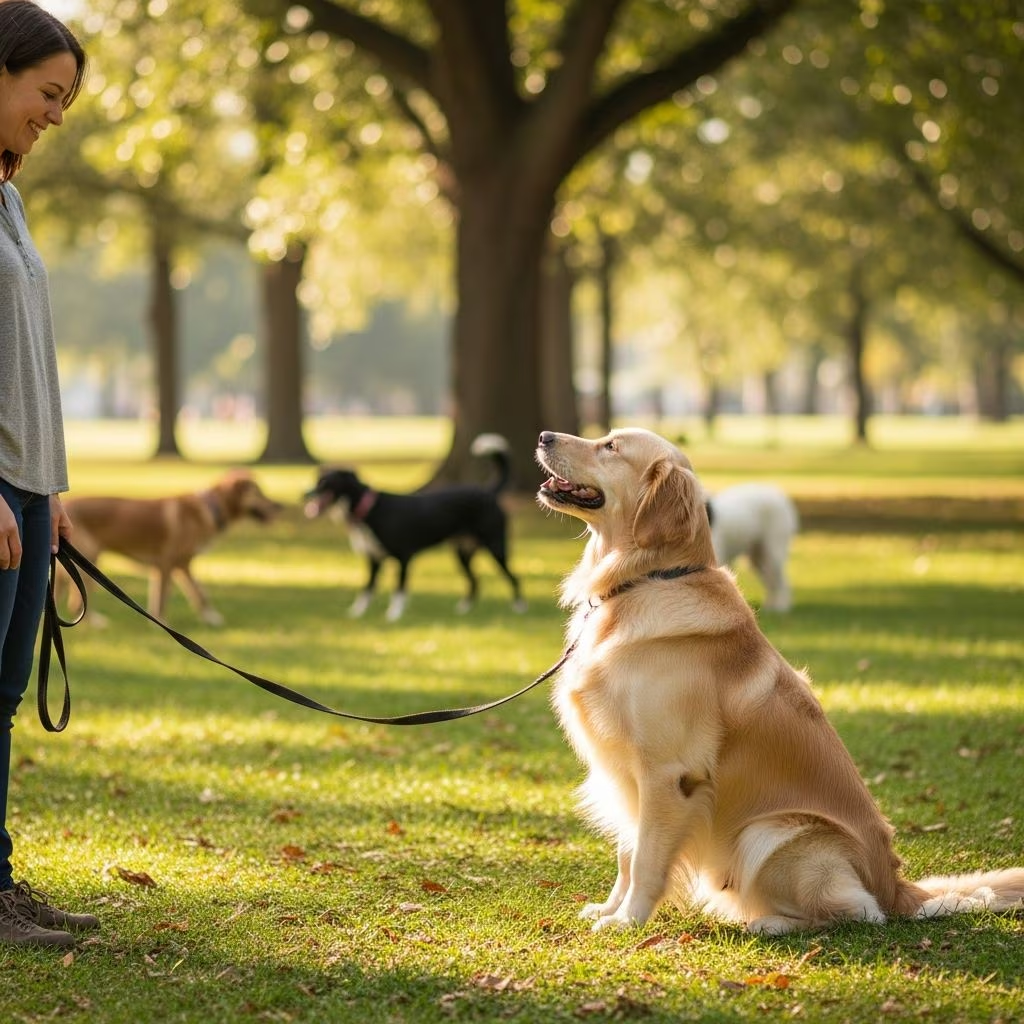
Dog training stands as a cornerstone of responsible pet ownership, delivering profound advantages that elevate the quality of life for both dogs and their human families. It equips dogs with essential skills, curbs problematic behaviors, and cultivates a harmonious household dynamic.
Building a Foundation of Obedience and Control
At its core, training instills basic commands like sit, stay, and come, which form the bedrock of a dog’s responsiveness. These fundamentals allow owners to manage their pets effectively in everyday scenarios, from mealtimes to walks. A dog that reliably follows cues reduces chaos, preventing incidents such as bolting through doors or ignoring boundaries.
Obedience training minimizes common nuisances like excessive barking, furniture chewing, or guest-jumping, fostering a serene living space. Owners report fewer frustrations, as trained dogs intuitively grasp expectations, leading to smoother interactions.
Boosting Household Safety for Everyone
Safety emerges as one of the most compelling reasons to prioritize training. Commands like “stay” and “come” can avert disasters, such as dashing into traffic or confronting strangers aggressively. In homes with children or elderly members, a reliable dog prevents accidents like tripping or unintended bites.
Statistics underscore the stakes: preventable mishaps contribute to veterinary visits, with thousands of professionals addressing such cases annually. Trained dogs respect personal space, heed recall in emergencies, and avoid hazardous explorations, granting owners invaluable peace of mind.
| Safety Risk | Untrained Dog Impact | Trained Dog Benefit |
|---|---|---|
| Door Dashing | Runs into street/traffic | Responds to ‘stay’ or ‘come’ |
| Stranger Encounters | Barks/jumps aggressively | Sits calmly on cue |
| Child Interactions | Knocks over kids | Maintains distance reliably |
Deepening the Human-Canine Connection
Training transcends mere commands; it weaves a tapestry of trust and mutual understanding. Shared sessions, filled with praise and rewards, mirror teamwork, where both parties learn each other’s language. This collaboration sparks joy in small triumphs, like a perfect heel or enthusiastic fetch.
Positive reinforcement—using treats, toys, or affection—amplifies this bond, making learning enjoyable. Owners notice their dogs gazing with adoration, sensing the security of clear leadership. Over time, this rapport evolves into an unbreakable partnership, enriching daily life with companionship.
Combating Anxiety and Building Confidence
Many dogs grapple with anxiety from storms, fireworks, or novel environments. Training introduces desensitization, gradually exposing pups to triggers while rewarding calm responses. This methodical approach diminishes fear, replacing it with assurance.
Mastering skills instills pride; a dog that conquers “leave it” near distractions feels empowered. Confident canines navigate changes effortlessly, from moves to vet visits, exhibiting poise rather than panic. Owners benefit from a relaxed pet, easing household tension.
- Desensitization reduces reactivity to loud noises.
- Skill mastery fosters independence.
- Positive outcomes lower overall stress levels.
Unlocking Mental Stimulation and Lifelong Growth
Dogs possess keen intellects craving challenges; without them, boredom breeds destruction like digging or howling. Training sessions serve as brain games, teaching tricks, agility, or scent work that sharpen cognition and expend energy constructively.
This stimulation wards off cognitive decline in seniors, keeping minds agile. Lifelong learning adapts to ages: puppies absorb basics, adults refine manners, elders enjoy gentle puzzles. Committed owners witness evolving prowess, sustaining engagement.
Mastering Socialization for Real-World Success
Social graces define a dog’s societal fit. Puppy classes immerse them in safe, supervised play, teaching cues like polite greetings and sharing space. Well-socialized dogs greet newcomers calmly, thrive at parks, and handle travel without drama.
Early exposure prevents fear-based aggression, promoting tolerance. Group settings hone reading body language, averting conflicts. Result? A versatile companion ready for outings, from hikes to cafes.
Choosing the Right Training Approach
Positive reinforcement reigns supreme, leveraging rewards to encourage repeats of desired actions. Avoid punishment-based methods, which erode trust and spike anxiety. Consistency across family members ensures clarity; short, daily 10-minute drills yield best results.
Professional classes offer structured environments, expert guidance, and peer motivation. For specific issues like reactivity, certified trainers tailor plans. Home practice reinforces lessons, blending fun with discipline.
- Start young, but never delay—adults learn too.
- Use high-value rewards matching motivation.
- Practice in varied settings for reliability.
- Track progress to celebrate milestones.
Overcoming Common Training Hurdles
Challenges like short attention spans or stubborn streaks test patience. Break tasks into micro-steps: lure sit before verbal cue. Distractions? Begin indoors, graduate outdoors. Inconsistency undermines efforts; align all handlers.
Plateaus pass with variety—swap treats for toys. Health issues mimicking misbehavior warrant vet checks. Persistence pays; most dogs flourish under compassionate guidance.
FAQs on Dog Training Essentials
When should I start training my dog?
Immediately—puppies from 8 weeks, adults anytime. Early habits stick strongest.
Is professional training worth it?
Yes, for tailored advice and socialization. It accelerates progress and resolves complexities.
What if my dog is older or rescue?
Age irrelevant; rescues often crave structure. Patience unlocks potential.
How often should sessions occur?
Daily, 5-15 minutes. Quality trumps quantity.
Can I train multiple dogs together?
Possible, but individual focus prevents confusion.
Long-Term Rewards of Committed Training
Invested effort yields enduring dividends: a poised, joyful dog integral to family life. Fewer vets for stress ailments, more adventures sans worry. Owners gain confidence leading their pack, nurturing profound loyalty.
Envision stress-free travels, welcoming guests, serene evenings. Training molds not just obedient pets, but fulfilled partners. Embrace it for transformative companionship.
References
- 3 Benefits of Dog Training Services — Perrysburg Animal Hospital. 2023. https://www.perrysburganimalhospital.com/3-benefits-of-dog-training-services
- The Importance & Benefits of Dog Training — Scott Brand. 2024. https://www.scottbrand.com/en-us/tips-and-advice/pet-care/importance-and-benefits-dog-training
- Unleashing Happiness: Why Dog Training is Essential — Charlie Mike. 2023-07-09. https://charliemike.org/2023/07/09/why-dog-training-is-essential/
- The Importance of Training Your Dog — Loyal Companions Animal. 2024. https://loyal-companions.com/the-importance-of-training-your-dog/
- How Important is Dog Training? — Tufts University Cummings School of Veterinary Medicine. 2023. https://vet.tufts.edu/news-events/news/how-important-dog-training
- Five Benefits of Training Your Dog — Vet Wellness Center. 2024-01. https://vetwellnesscenter.com/wp-content/uploads/2024/01/Five-benefits-of-training-your-dog.pdf



