

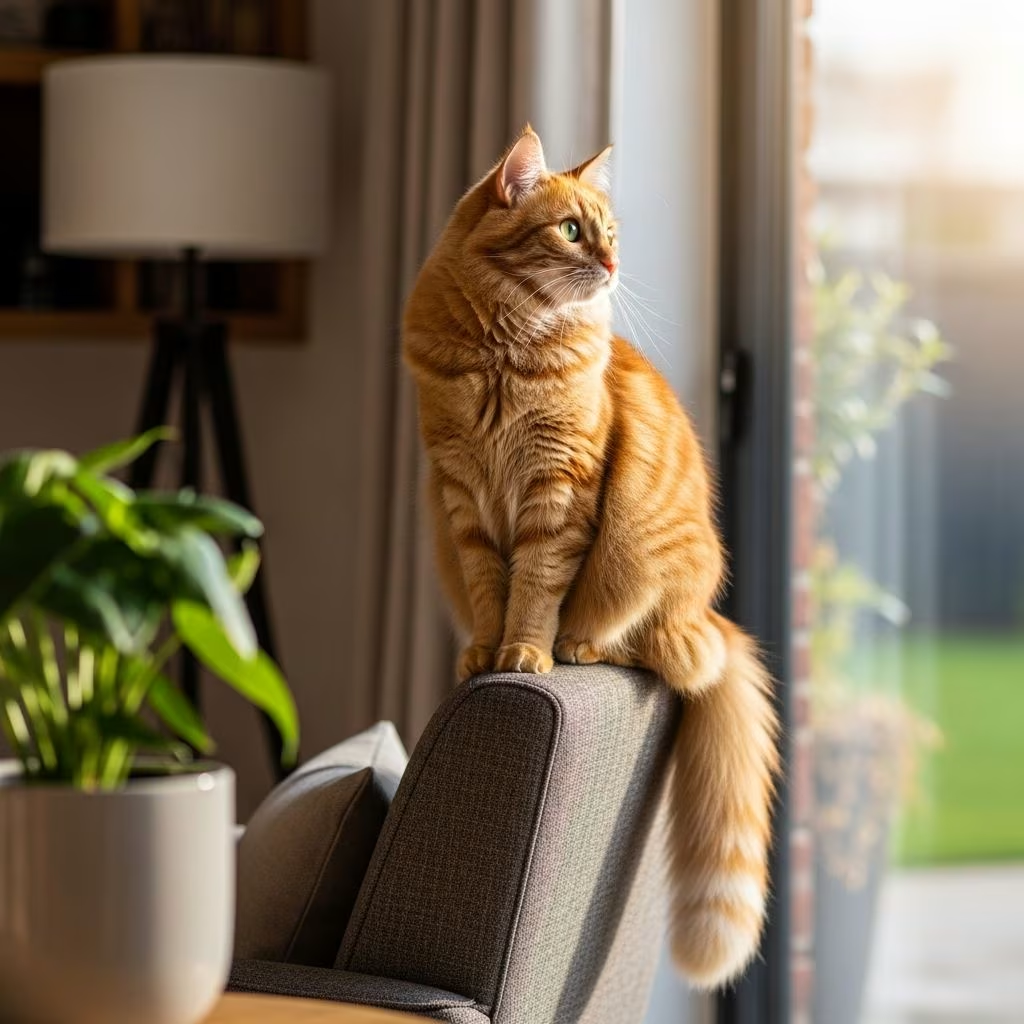
Cats captivate us with their mysterious personalities, but not every feline yearns for lap time. While some curl up contentedly for hours, others maintain a polite distance, opting for nearby perches or solo naps. This independence doesn’t signal a lack of love—it’s often rooted in instinct, past experiences, and individual temperament. Understanding these dynamics helps owners appreciate their cat’s unique affection style and build meaningful connections without pressure.
Decoding Feline Personality Types
Every cat arrives with a built-in temperament shaped by genetics and early life. **Independent breeds** like the Abyssinian or Russian Blue often prioritize exploration over cuddling, viewing laps as temporary rather than essential. In contrast, Ragdolls and British Shorthairs lean toward lap-loving due to selective breeding for sociability.
Rescue cats may carry baggage from stressful environments, making them wary of close contact. A cat’s **early socialization window**—roughly between two and seven weeks—plays a pivotal role. Kittens handled gently by humans during this period tend to seek out laps as adults, while those isolated may grow aloof.
- Genetic predispositions favor activity in some breeds.
- Socialization gaps create lasting caution.
- Observing play styles reveals baseline comfort with touch.
Life Stage Influences on Cuddling Habits
A cat’s age profoundly affects lap preferences. Kittens shadow owners eagerly, but **adolescence** brings bursts of energy, sidelining snuggles for zoomies and conquests. Adults settle into routines, where some rediscover lap appeal amid calmer days.
Senior cats often reclaim affection, drawn to body heat for arthritic joints or seeking reassurance amid sensory decline. However, health issues like hyperthyroidism can amp up restlessness, mimicking youthful independence.
| Life Stage | Lap Tendency | Common Reasons |
|---|---|---|
| Kitten | High | Exploration mixed with bonding needs |
| Adolescent (6-18 months) | Low | Energy peaks, territory mapping |
| Adult (2-10 years) | Variable | Established routines, trust levels |
| Senior (11+ years) | Increasing | Comfort seeking, reduced mobility |
Health and Sensory Factors at Play
Underlying conditions can deter lap time. **Pain from arthritis or dental disease** makes settling uncomfortable, while skin irritations prompt twitching escapes. Overweight cats struggle to maneuver onto laps, associating the effort with frustration.
Sensory sensitivities amplify this: a vibrating phone or sudden noise shatters relaxation. Vision or hearing loss in older cats heightens startle responses, reinforcing solo safe spots.
- Monitor for limping, excessive grooming, or weight fluctuations.
- Vet checkups rule out thyroid issues or infections.
- Quiet environments reduce sensory overload.
Environmental Cues Shaping Behavior
Your home’s setup influences lap willingness. High perches and hiding spots make cats feel secure, but chaotic multi-cat homes spark competition, pushing felines to claim distant territories. **Stressors like loud TVs or frequent visitors** elevate cortisol, priming flight over flop.
A dedicated calm zone with pheromone diffusers fosters trust. Vertical space via shelves mimics wild vantage points, easing the vulnerability of lap exposure.
Alternative Heights of Affection
Not all love looks like lap-sitting. Many cats become **shoulder dwellers**, perching for panoramic views while staying close. Others “make biscuits” on nearby cushions or deliver “gifts” of toys, signaling deep bonds.
Watch for slow blinks, head butts, or purring proximity—these equal lap loyalty in feline terms. Scratching familiar furniture deposits scent glands, marking you as family.
- Slow blinks convey trust.
- Cheek rubs share ownership scents.
- Tail-up greetings invite interaction.
Building Lap Appeal Step by Step
Transforming a reluctant cat starts with patience. Create a **sanctuary vibe**: dim lights, no distractions, and pre-play sessions to drain zoomie energy.
- Warm it up: Drape a heated blanket scented with their bedding.
- Treat trail: Lure progressively from floor to lap with high-value rewards like churu.
- Timing mastery: Target post-meal drowsiness or evening wind-downs.
Respect boundaries—pet only welcomed zones like cheeks, avoiding tails or paws. Sessions under 10 minutes prevent overload.
Petting Protocols for Success
Touch translates to trust when done right. Begin with one-way petting: let them lean in. Favor **cheek-to-shoulder strokes** over belly risks. Halt at flicking tails or ear planes signaling ‘enough.’
Some cats adore chin scritches; others prefer stillness. Mirror their energy—gentle for naps, firmer for alert moods.
Avoiding Common Lap-Sabotaging Pitfalls
Link your lap solely to bliss. Skip medicating or grooming there; use tables instead. Forcing stays breeds resentment—always permit exits.
Overuse of treats risks obesity; cap at 10% daily calories, adjusting kibble accordingly.
| Mistake | Impact | Better Approach |
|---|---|---|
| Holding cat down | Builds fear | Allow free movement |
| Noisy distractions | Triggers flight | Silent, still sessions |
| Unwanted petting | Petting aggression | Read body language |
Long-Term Bonding Beyond the Lap
Even lap-shy cats thrive on interactive play: wand toys mimic hunts, releasing endorphins that tie to you positively. Daily 15-minute sessions strengthen ties.
Food puzzles engage minds, associating you with fun challenges. Cozy adjacent beds invite nearness without demands.
When to Consult a Pro
Persistent avoidance amid other changes—like hiding or aggression—warrants a vet or behaviorist. Rule out pain first, then assess anxiety.
Certified specialists use force-free methods, often incorporating environmental tweaks.
Frequently Asked Questions
Can any cat become a lap cat?
Many can with time and technique, but some personalities resist. Focus on their affection style for fulfillment.
Why does my cat sit near but not on me?
This balances security with independence—proximity shows love without full vulnerability.
Are certain breeds more lap-oriented?
Yes, Ragdolls and Persians often seek laps, while Bengals prefer action.
How long to see lap-training results?
Weeks to months; consistency without force is key.
What if my cat hates being picked up?
Train lap access via trails, avoiding lifts that spike stress.
References
- American Veterinary Medical Association (AVMA) – Feline Behavior Guidelines — AVMA. 2024-05-15. https://www.avma.org/resources-tools/pet-owners/petcare/feline-behavior
- International Cat Care – Understanding Cat Affection — International Cat Care. 2025-02-10. https://icatcare.org/advice/understanding-your-cats-affection/
- Journal of Feline Medicine and Surgery – Age-Related Behavior Changes in Cats — Sage Journals (Peer-reviewed). 2023-11-01. https://doi.org/10.1177/1098612X231456789
- ASPCA – Cat Socialization Best Practices — ASPCA. 2024-08-20. https://www.aspca.org/pet-care/cat-care/cat-socialization
- Cornell Feline Health Center – Senior Cat Behavior — Cornell University (.edu). 2025-01-12. https://www.vet.cornell.edu/departments-centers-and-institutes/cornell-feline-health-center/health-information/feline-health-topics/senior-cat-care



