

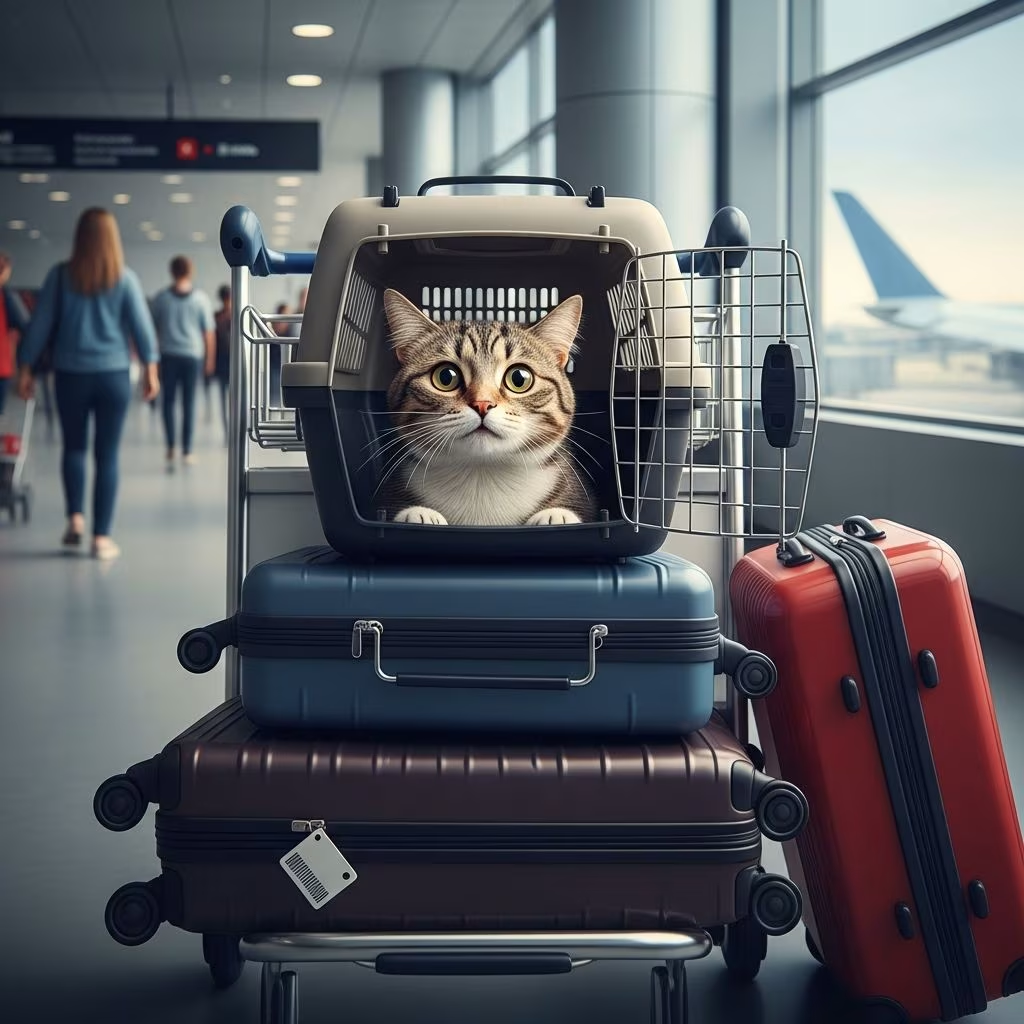
Cats thrive in familiar environments, and travel often disrupts this balance, leading to heightened stress, physical dangers, and health complications. Veterinary experts highlight multiple factors making road trips or flights particularly challenging for felines, urging pet owners to consider leaving them home instead.
The Deep Impact of Travel-Induced Stress on Cats
Unlike dogs, which may enjoy outings, cats view travel as a major threat. Confined spaces, unfamiliar noises, and motion trigger their flight response, elevating cortisol levels and causing prolonged anxiety. This stress can manifest as excessive vocalization, refusal to eat, or aggressive behavior, persisting days after arrival.
Short-nosed breeds like Persians face amplified risks due to breathing difficulties exacerbated by carriers or altitude changes. Veterinary guidelines stress pre-travel vet checks to assess suitability, as underlying conditions worsen under duress.
Physical Safety Hazards in Vehicles
Car travel poses immediate dangers. Unsecured carriers risk injury during sudden stops, while airbags in front seats can prove fatal if deployed near a pet. Rear placement with seatbelt restraint is essential, yet even this fails to eliminate all threats like debris from open windows harming protruding heads.
Never opt for pickup truck beds or unrestrained freedom—cats can escape or suffer fatal falls. Designate a passenger solely for pet monitoring to provide reassurance and quick intervention if distress signals appear.
Temperature Extremes: A Deadly Trap
Parked cars turn lethal ovens rapidly. At 72°F outside, interiors hit 116°F in an hour; at 85°F, 102°F in 10 minutes despite cracked windows. Cats succumb to heatstroke in 30 minutes, risking organ failure or death—never leave them unattended.
Cold snaps pose hypothermia risks too. Climate control failures during stops amplify these dangers, making brief errands hazardous.
Table: Car Temperature Rise Chart
| Outside Temp (°F) | Inside After 10 Min (°F) | Inside After 60 Min (°F) |
|---|---|---|
| 72 | 96 | 116 |
| 85 | 102 | 120+ |
| 95 | 110 | 130+ |
Data underscores why even short absences endanger lives.
Aviation Dangers for Felines
Air travel compounds issues. Cargo holds expose cats to oxygen deprivation, extreme temperatures, and rough handling—brachycephalic breeds suffer most. Cabin options exist but require advance booking and fees; still, noise and pressure changes induce panic.
Vets advise against sedation without consultation, as it impairs thermoregulation and respiration. Acclimation certificates may be needed for layovers, confirming tolerance to temperature swings. Airlines report occasional pet injuries or losses, prioritizing those with stellar animal policies.
Heightened Disease Exposure During Journeys
Travel introduces parasites and pathogens absent at home. Fleas, ticks carry Lyme and tapeworms; mosquitoes spread heartworm, fatal if untreated. Rest stops or hotels heighten contagious risks like respiratory infections, absent routine vaccines.
Rabies looms from wildlife encounters—legally mandated shots are baseline, but supervision prevents bites. Pre-trip vet visits ensure boosters for destination-specific threats.
- Fleas/Ticks: Transmit ehrlichiosis, Lyme disease.
- Heartworm: Mosquito-borne, subtle cat symptoms include coughing, fatigue.
- Rabies: Behavioral shifts, drooling signal near-certain fatality.
Better Alternatives: Peaceful Stays at Home
Boarding facilities or pet sitters offer stability. Reputable centers match cat-only environments with familiar routines, minimizing stress. In-home sitters maintain territory scents and schedules, ideal for picky eaters.
Prep involves health certificates, detailed care instructions, and trial stays. Costs outweigh emergency vet bills from travel mishaps.
Preparation Essentials If Travel Is Unavoidable
Consult vets early for exams, vaccines, and parasite preventives. Select airline-approved carriers with ventilation; acclimate via short drives. Pack litter, food, medications, and ID tags. Monitor for distress like panting or drooling.
Frequently Asked Questions
Can all cats handle car rides?
No—most detest them due to motion sickness and confinement. Gradual desensitization helps select few.
Is flying safer in-cabin?
Often, but limited to small cats; cargo risks remain high for others.
How to prevent heatstroke?
Never leave alone; use shaded, ventilated spots with constant supervision.
What vaccines are travel-mandatory?
Rabies universally; others per state/destination.
Best home care during absences?
Vetted sitters or boarding with webcams for updates.
Long-Term Considerations for Feline Well-Being
Chronic stress from repeated trips links to urinary issues, weakened immunity. Age factors in—seniors or those with heart/kidney problems face amplified risks. Invest in travel aversion training or permanent home setups like cams for remote checks.
Pet insurance covering travel incidents provides peace. Ultimately, prioritizing routine preserves bonds stronger than any vacation photo.
References
- The Best Way to Travel With a Cat — Animal Hospital of Clemmons. 2023-12-15. https://www.animalhospitalofclemmons.com/site/veterinary-pet-care-blog/2023/12/15/travelling-with-cat
- Should I travel with my cat? — Shatto Vet. 2024-06-30. https://www.shattovet.com/site/blog/2024/06/30/travel-cat
- Airline Travel with Your Cat — The Drake Center. N/A. https://www.thedrakecenter.com/resources/materials/cats/airline-travel-your-cat
- Pet Travel Risks: Diseases to Watch for on the Road — Pinedale Animal Hospital. N/A. https://pinedaleanimalhospital.com/pet-travel-risks-diseases-to-watch-for-on-the-road/
- Essential Guide to Preventing Pet Diseases While Traveling — Santa Monica Vet. N/A. https://santamonicavet.com/vacation-vigilance-essential-guide-to-preventing-pet-diseases-while-traveling/



