

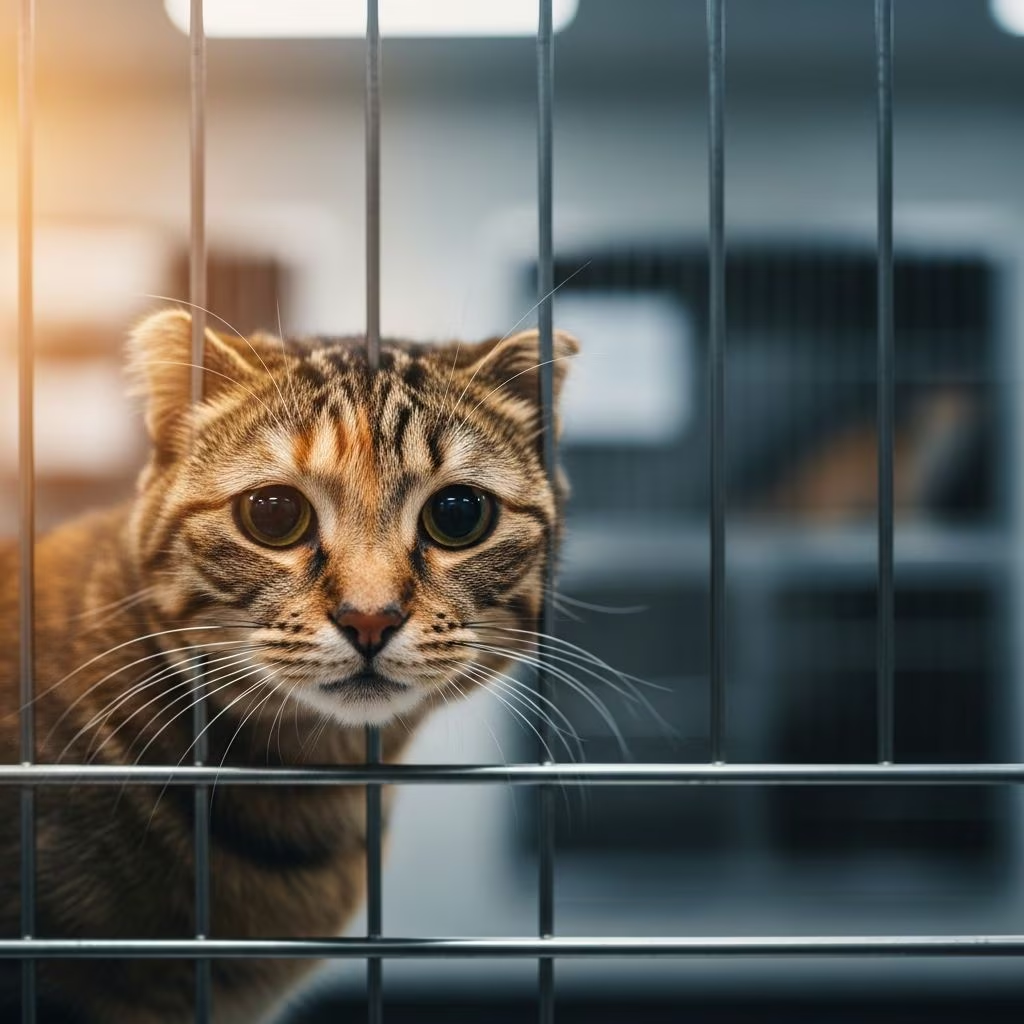
Each year, millions of cats enter animal shelters across the United States, with many finding temporary homes only to be returned later. Data from large-scale shelter studies reveal that about 12% of adopted cats over one year old are brought back within four years, highlighting a critical challenge in pet adoption. Understanding these return patterns helps prospective owners prepare better and shelters improve outcomes. This article delves into the primary causes, backed by research, and offers actionable solutions to foster permanent placements.
Behavioral Challenges Leading to Returns
Behavioral problems top the list of reasons for cat returns, accounting for 26% of cases in comprehensive shelter analyses. These issues often stem from stress during the transition to a new environment or unmet instinctual needs. New adopters may encounter unexpected habits that strain household harmony.
- Inappropriate elimination: Missing the litter box is a frequent complaint, linked to stress, medical conditions, or unfamiliarity with indoor routines. Outdoor cats may need time to adapt, while health issues like urinary tract infections can trigger sudden changes.
- Scratching and destructiveness: Cats scratch to maintain claws, mark territory, and stretch, but targeting furniture frustrates owners. Without proper outlets, this leads to damaged belongings and returns.
- Aggression or biting: Cats with a bite history are over four times more likely to be returned, often due to fear, play misinterpretation, or poor socialization.
To mitigate these, provide multiple scratching posts, litter boxes (one per cat plus one extra), and pheromone diffusers to ease anxiety. Early veterinary checks rule out medical causes, ensuring behavioral fixes target the root problem.
Personal and Lifestyle Shifts
Life changes disrupt 14% of adoptions, encompassing events like job loss, family expansions, or bereavement. Short-term returns (within 30 days) often relate to adjustment struggles, while longer-term ones tie to evolving circumstances such as pregnancy or relocation.
| Life Event | Impact on Adoption | Prevention Strategy |
|---|---|---|
| Time constraints | No bandwidth for care routines | Assess schedule pre-adoption |
| Family changes | New baby or elderly needs | Slow introductions |
| Personal crises | Divorce or illness | Temporary foster options |
Shelters can reduce these by screening adopters thoroughly and offering post-adoption support like check-ins. Programs for temporary fostering during crises preserve bonds and shelter space.
Financial Pressures and Care Costs
Expenses beyond food—such as veterinary bills and supplies—prompt 8% of returns, excluding medical specifics. Cat ownership averages hundreds annually, catching unprepared owners off guard. Inflation and vet shortages exacerbate this, particularly for low-income households.
Breakdown of typical costs:
- Food and litter: $300–$500/year
- Routine vet visits: $200–$400/year
- Unexpected treatments: $500+
Low-cost clinics, spay/neuter subsidies, and food banks from organizations like ASPCA alleviate burdens. Pre-adoption budgeting workshops equip owners for realities.
Housing Restrictions and Moves
No-pet policies or evictions cause 7% of surrenders, a persistent barrier in rental markets. Moving to pet-unfriendly areas forces tough choices, displacing even well-adjusted cats.
Solutions include advocating for pet-friendly housing initiatives and partnering with landlords. Adopters should verify lease terms upfront and explore rural or suburban options with fewer restrictions.
Health Concerns for Cats and Humans
Medical issues affect 9% of returns, from chronic conditions to allergies (8%). Undiagnosed illnesses surface post-adoption, while human allergies emerge unexpectedly. Older cats (average return age 3.42 years) face higher risks.
Pre-adoption exams and trial fosters help. Allergy testing and hypoallergenic breeds (though no cat is truly hypoallergenic) inform choices. Shelters should disclose known health histories transparently.
Conflicts with Other Pets
Inter-pet tensions drive 10% of returns, especially when introductions fail. Multi-pet homes require gradual acclimation, yet rushed processes lead to fights or stress.
Tips for success:
- Separate spaces initially
- Swap scents via blankets
- Supervised short meetings
- Consult behaviorists if needed
Influence of Shelter Environment on Returns
Housing type predicts returns: group settings yield highest rates, single cages moderate, and fosters lowest. Foster cats benefit from home-like prep, reducing adjustment shocks. Promoting foster programs cuts overall returns significantly.
Unrealistic Expectations Among Adopters
First-timers often overlook cats’ needs, expecting low-maintenance companions. Kittens grow energetic; adults retain quirks. Education via shelter classes bridges this gap, setting realistic visions.
Strategies to Prevent Returns
Proactive measures transform adoptions:
- Comprehensive counseling: Cover costs, behaviors, and commitments.
- Behavior hotlines: Free advice post-adoption.
- Support networks: Food, vet aid, temporary care.
- Readiness quizzes: Online tools gauge fit.
Most returned cats (85%) find new homes, but early returns boost readoption odds. Collaborative efforts between shelters, vets, and communities yield lasting impacts.
Frequently Asked Questions (FAQs)
What is the most common reason cats are returned to shelters?
Behavioral issues, particularly litter box problems and scratching, lead at 26%.
How soon after adoption do most returns happen?
About half occur within 30 days, tied to adjustment; later ones link to life changes.
Can financial help prevent cat surrenders?
Yes, programs for food, spay/neuter, and low-cost care reduce returns significantly.
Are older cats more likely to be returned?
Slightly; returned cats average 3.42 years vs. 3.04 for non-returns.
What role does fostering play?
Foster cats have the lowest return rates due to better home preparation.
References
- Why Do Adopters Return Cats To Shelters? — Faunalytics. 2016. https://faunalytics.org/reasons-why-adopters-return-cats-to-shelters/
- Reasons Adopted Cats Are Returned to Shelters — Hill’s Pet. Accessed 2026. https://www.hillspet.com/cat-care/new-pet-parent/reasons-adopted-cats-are-returned-to-shelters
- Three Reasons Pets are Returned to the Shelter — MEHS. Accessed 2026. https://www.mehs.org/post/three-reasons-pets-are-returned-to-the-shelter
- Common Surrender Reasons (Cats) — MSPCA. Accessed 2026. https://www.mspca.org/pet_resources/common-surrender-reasons-cats/
- Reasons Cats Are Surrendered to Shelters — Adopt-a-Pet. Accessed 2026. https://www.adoptapet.com/blog/rehome/reasons-cats-surrendered-shelters



