
Why Shaving Dogs Is Often a Bad Idea
Discover the risks of shaving your dog's coat and learn safer grooming alternatives for year-round comfort and health.
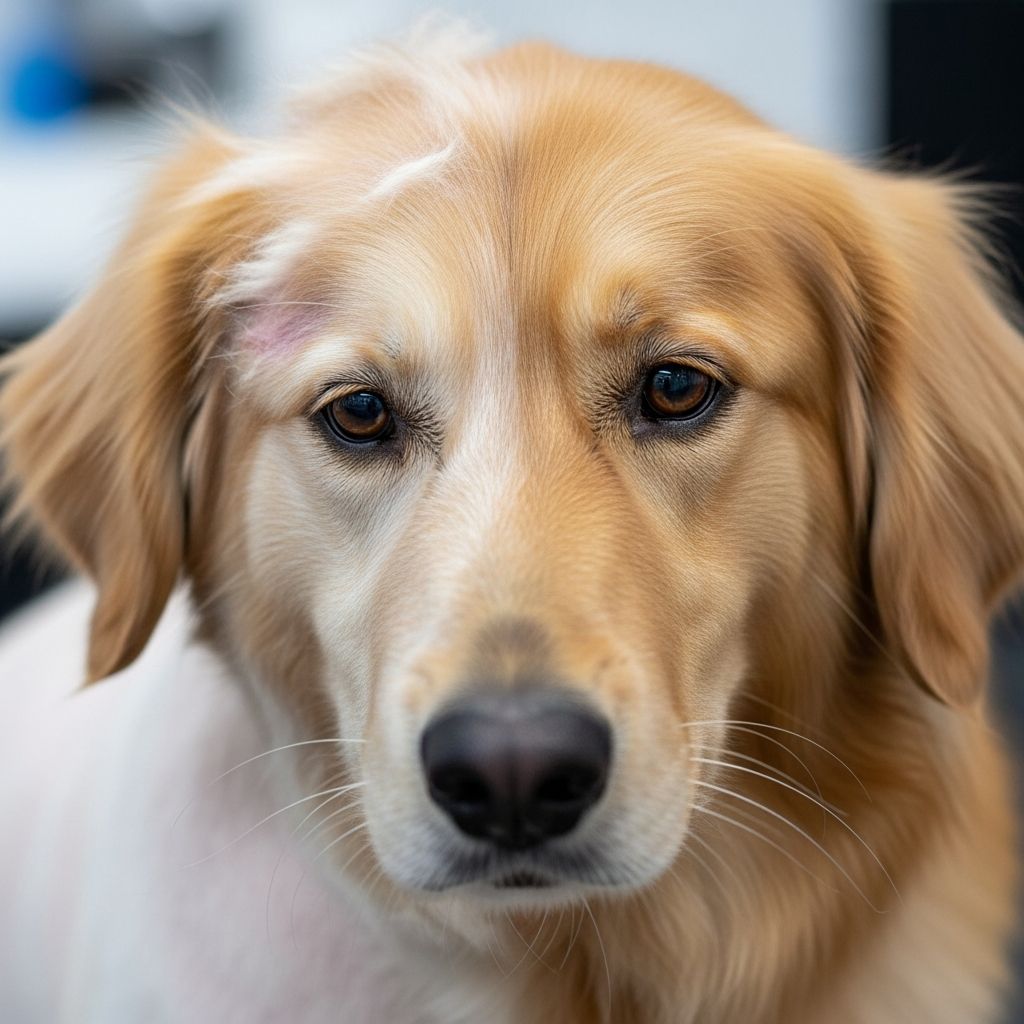
Dog owners frequently consider shaving their pets’ fur during hot weather to provide relief from the heat, but this practice can lead to more problems than benefits for most breeds. A dog’s coat serves critical protective functions, including temperature regulation, UV shielding, and skin safeguarding, which shaving disrupts.
The Science Behind a Dog’s Natural Coat Protection
A dog’s fur is not just aesthetic; it acts as a multifaceted shield. For many breeds, the coat consists of two layers: a dense undercoat that traps air for insulation and a coarser guard coat that repels water and blocks sunlight. This structure helps maintain stable body temperature regardless of external conditions.
Double-coated dogs, such as Huskies, Shepherds, and Retrievers, rely on this system year-round. In summer, shedding thins the undercoat naturally, allowing airflow while the guard hairs continue to protect against overheating by reflecting solar radiation. Shaving removes this barrier, exposing sensitive skin directly to environmental hazards.
Key Risks Associated with Shaving Your Dog
Removing a dog’s coat close to the skin introduces several health concerns that can persist long after regrowth.
- Sunburn and Skin Cancer Vulnerability: Dogs’ skin lacks the melanin protection humans have, making it highly susceptible to UV damage. Shaved areas burn easily, raising risks for skin cancer over time.
- Overheating Paradox: Contrary to intuition, fur insulates against heat absorption. Without it, dogs overheat faster as their skin directly absorbs radiant heat.
- Coat Regrowth Complications: The undercoat often grows back thicker and faster, potentially crowding out guard hairs. This results in patchy, uneven coats that may never fully recover.
- Infection and Injury Risks: Exposed skin invites cuts, insect bites, and bacterial growth, especially if moisture accumulates without the wicking action of fur.
These issues are amplified in double-coated breeds, where follicle damage can lead to permanent alopecia or texture changes.
Breeds That Should Never Be Shaved
Not all dogs face the same risks, but double-coated varieties are particularly vulnerable. Here’s a breakdown:
| Breed Group | Examples | Why Avoid Shaving |
|---|---|---|
| Northern Breeds | Siberian Husky, Samoyed, Alaskan Malamute | Thick undercoat essential for extreme temperature regulation |
| Retrievers & Spaniels | Golden Retriever, Labrador Retriever, Australian Shepherd | Seasonal shedding balances insulation; shaving disrupts cycle |
| Shepherds | German Shepherd, Belgian Malinois | Guard coat protects working dogs from elements and debris |
Single-coated breeds like Poodles or Bichons may tolerate light trims, but even they benefit from retaining some length for protection.
When Shaving Might Be Medically Necessary
In rare cases, professional shaving is unavoidable and beneficial under veterinary guidance.
- Severe matting that causes pain or restricts movement
- Treatment of hot spots, infections, or fleas
- Pre-surgical preparation or diagnostic procedures
- Conditions like allergies preventing normal grooming
Even then, groomers leave at least one inch of fur to minimize exposure, and post-shave care includes sunblock and monitored regrowth.
Effective Alternatives to Keep Your Dog Cool
Instead of shaving, adopt these proven strategies to help your dog beat the heat safely.
- Regular Brushing: Removes dead undercoat, promotes airflow, and distributes natural oils. Use breed-specific tools like slicker brushes for doubles coats.
- Bathing and Trimming: Light trims on single coats or sanitary areas prevent matting without full removal. Cool baths enhance evaporation cooling.
- Environmental Adjustments: Provide shade, fresh water, cooling mats, and air-conditioned spaces. Walk during cooler hours.
- Supplements and Diet: Omega fatty acids support coat health, reducing shedding naturally.
These methods preserve the coat’s integrity while addressing comfort.
Understanding Dog Cooling Mechanisms
Dogs don’t sweat like humans; they pant to evaporate moisture from tongue and respiratory tract, and dilate paw pad glands minimally. Fur aids by trapping cool air and blocking hot sun, making primary cooling behavioral and environmental. Shaving ignores this biology, often worsening heat stress.
Professional Grooming: Precision Over Shortcut
If grooming is needed, choose experienced professionals. Shaving requires skill to avoid burns, nicks, or uneven results, especially on thick coats that clog blades. Costs match full grooms due to prep, multiple passes, and aftercare—worth it for safety.
DIY attempts heighten risks; consult vets for breed advice first.
Common Myths About Dog Shaving Debunked
- Myth: Shorter fur means less shedding. Brushing removes loose hair effectively without regrowth issues.
- Myth: Shaved dogs stay cleaner. Short fur shows dirt but traps moisture, inviting infections.
- Myth: All dogs cool better shaved. Only specific single-coated, matted cases benefit.
Seasonal Care Tips for Optimal Coat Health
Maintain coat vitality through routine:
- Weekly brushing sessions, increasing in shedding season
- Moisturizing shampoos for dry climates
- Parasite preventives to avoid medical shaves
- Monitor for changes signaling health issues
Healthy coats reduce vet visits and enhance comfort.
Frequently Asked Questions (FAQs)
Can I shave my double-coated dog just a little?
No— even partial shaves disrupt growth cycles. Opt for de-shedding tools instead.
What if my dog has hot spots?
Vet-approved spot shaving may be needed, followed by medicated care.
How do I know my dog’s coat type?
Check breed standards or pluck a hair: fluffy base indicates double coat.
Is sunscreen safe for shaved dogs?
Yes, pet-specific formulas protect exposed skin; reapply often.
How long does coat regrowth take?
4-6 months, but texture may alter permanently in doubles.
Long-Term Impacts on Coat and Skin Health
Repeated shaving compounds damage: follicles weaken, leading to bald patches or ingrown hairs. Skin thickens from irritation, exacerbating allergies. Investing in proper care now prevents costly fixes later.
References
- Everything You Need to Know About Dog Shaving — Lucky Puppy Grooming. 2023. https://luckypuppygrooming.com/everything-you-need-to-know-about-dog-shaving/
- Shaving Your Dog for the Summer? Pros and Cons — ElleVet Sciences. 2023. https://www.ellevetsciences.com/pet-care/shaving-your-dog-for-the-summer-pros-and-cons/
- Is Dog Shaving A Good Idea? What To Consider Before Clipping — Tractive. 2023. https://tractive.com/blog/en/health/dog-shaving
- To shave or not to shave your dog? — Dirty Dog Spa. 2023. https://dirtydogsspa.com/shave-shave-dog/
- Is It OK to Shave Your Dog’s Coat in Summer? — American Kennel Club (AKC). 2024-07-01. https://www.akc.org/expert-advice/health/is-it-ok-to-shave-your-dog/
- Why Shaving Your Dog Costs Just as Much as a Haircut — Primped Pooches. 2023. https://www.primpedpooches.com/why-shaving-your-dog-costs-just-as-much-as-a-haircut-and-why-its-worth-every-penny
- If You’re Shaving Your Dog – Don’t! — Maher Feed & Pet Supply. 2023. https://maherpet.com/blog/33254/if-youre-shaving-your-dog-dont
- Should You Shave a Dog? — Whole Dog Journal. 2023. https://www.whole-dog-journal.com/health/should-you-shave-a-dog/
Similar Articles








Read full bio of Sneha Tete




