

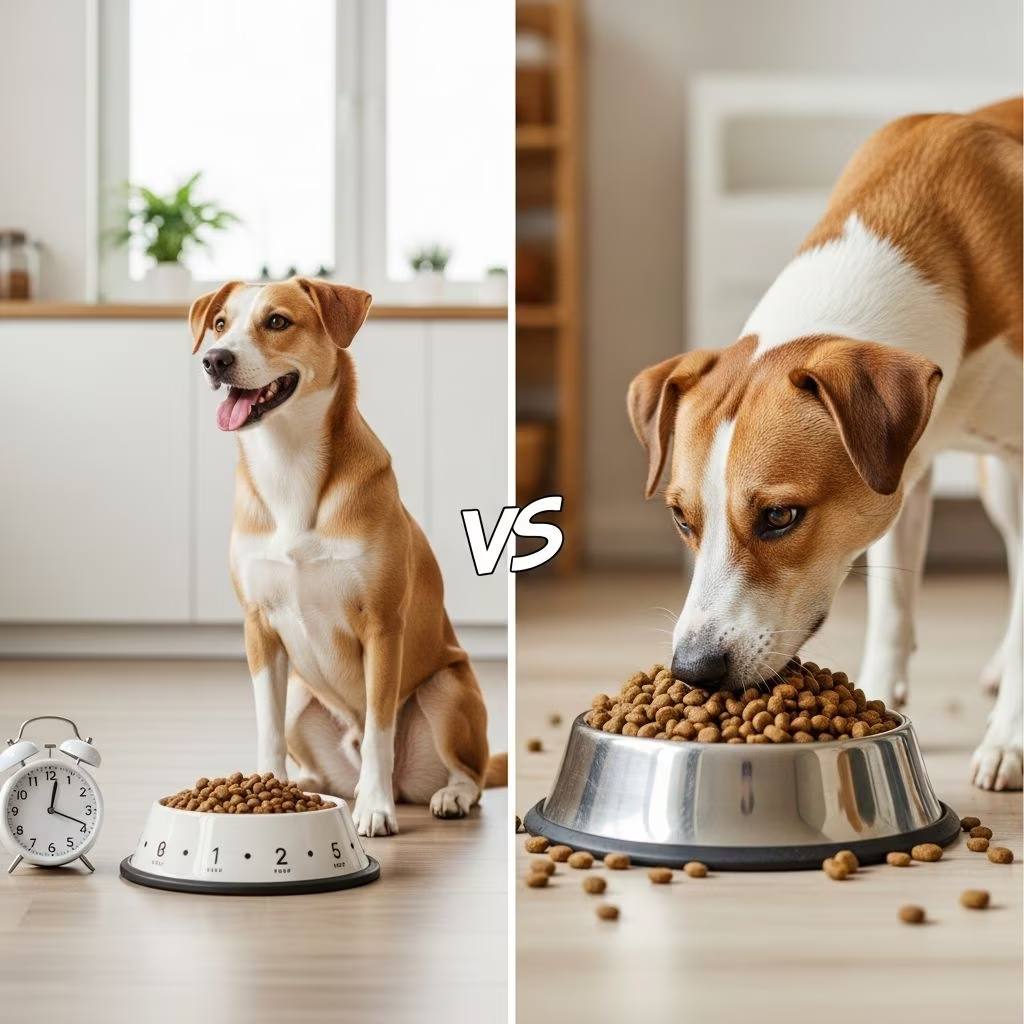
Free feeding, where dogs have constant access to food, might seem convenient but often leads to serious health and behavioral issues. Scheduled meals provide structure, portion control, and better monitoring for optimal canine well-being.
The Health Hazards of Constant Food Access
Allowing dogs unrestricted access to their bowl throughout the day can trigger a cascade of physical problems. Unlike wild ancestors who hunted in cycles, domestic dogs don’t always self-regulate intake effectively.
Obesity and Related Complications
One primary concern is **obesity**, as dogs may overeat due to boredom or opportunity. Excess weight increases risks for diabetes, arthritis, heart disease, and joint strain. Overeating also heightens chances of gastric dilatation-volvulus (GDV), a life-threatening condition with 10-23% mortality rates in affected dogs.
- Constant availability encourages grazing beyond satiety.
- Boredom eating exacerbates calorie surplus.
- Obesity fuels chronic inflammation, worsening conditions like pancreatitis and skin infections.
Digestive and Dental Troubles
Irregular eating patterns disrupt digestion, causing vomiting, diarrhea, and discomfort. Food left out spoils, inviting bacteria and pathogens that lead to foodborne illnesses. Dental health suffers too, with tartar buildup and gingivitis from insufficient chewing.
Challenges with Medications and Special Diets
Free feeding complicates administering meds, as timing relative to meals becomes impossible. Dogs needing insulin for diabetes face hypoglycemia risks without predictable eating. Monitoring appetite changes, early illness signs, proves difficult without measured intake.
Behavioral Pitfalls in Free-Fed Dogs
Beyond physical health, free feeding undermines mental and social development. Dogs thrive on routine, and constant food access erodes beneficial structures.
Resource Guarding and Aggression
Dogs may develop territorial behaviors, guarding bowls aggressively against pets or people. This stress persists as they feel compelled to watch food nonstop. In multi-dog homes, dominant animals bully others, leading to uneven nutrition and weight disparities unnoticed until severe.
Training and Motivation Barriers
Hunger drives training success, but satiated free-fed dogs ignore treats, reducing food motivation. Puppy housebreaking falters without predictable digestion timelines, complicating potty schedules.
Lack of Routine and Bonding
Mealtimes foster bonds through interaction. Free feeding skips this, weakening human-dog connections and structure.
Advantages of Switching to Scheduled Feeding
Portioning meals 2-3 times daily aligns with dogs’ natural rhythms, yielding multiple benefits.
| Aspect | Free Feeding | Scheduled Feeding |
|---|---|---|
| Weight Management | Risk of overeating and obesity | Precise calorie control |
| Health Monitoring | Hard to spot appetite changes | Easy detection of issues |
| Multi-Pet Homes | Competition and bullying | Fair portions per dog |
| Training | Low food drive | High motivation |
| Medications | Timing difficulties | Accurate scheduling |
This table highlights how scheduled feeding outperforms free methods across key areas.
How to Transition Your Dog to Meal Times
Switching requires patience to avoid stress.
- Consult a Vet: Rule out issues; get diet advice.
- Calculate Portions: Use body condition scoring; divide daily amount into 2-3 meals.
- Gradual Pickup: Remove bowl after 15-20 minutes uneaten; repeat daily, reducing time.
- Set Times: Morning, evening; use interactive feeders.
- Monitor Progress: Weigh weekly; adjust as needed.
Puppies need 3-4 meals; adults 2 suffice. Wet food demands stricter schedules due to spoilage.
Best Practices for Effective Scheduled Feeding
Choosing the Right Food and Tools
Opt for high-quality kibble or fresh diets. Puzzle toys enhance mental stimulation during meals.
- Slow feeders prevent gulping.
- Elevated bowls aid digestion.
- Toppers like veggies add variety safely.
Handling Multi-Dog Dynamics
Feed separately to prevent theft. Observe interactions; train “wait” commands for manners.
Tailoring to Life Stages
Puppies benefit from frequent meals for growth. Seniors may need smaller, digestible portions. Active dogs require more calories.
Frequently Asked Questions (FAQs)
Is free feeding ever okay for dogs?
Rarely; only for self-regulating adults in single-dog homes with dry food, but risks remain high.
How many meals per day for my dog?
Adults: 2 meals. Puppies: 3-4. Adjust by age, size, activity.
What if my dog skips a scheduled meal?
Remove after 20 minutes; offer next time. Persistent refusal warrants vet check.
Can scheduled feeding help with separation anxiety?
Yes, routines reduce anxiety by providing predictability.
How do I prevent begging between meals?
Ignore pleas; stick to schedule. Exercise curbs hunger.
Real-World Success Stories
Owners report 20% weight loss in months post-switch, alongside calmer behaviors and easier training. One multi-dog household resolved bullying via separate mealtimes.
Embracing scheduled feeding transforms dog care, prioritizing health over convenience.
References
- Free Feeding Dogs: Hidden Dangers + What to Do Instead — Pupford. 2023. https://pupford.com/blogs/all/risks-free-feeding
- The Pros and Cons of Free-Feeding Your Pet — Content Critter. 2023. https://www.contentcritter.com/the-pros-and-cons-of-free-feeding-your-pet/
- How to Switch from Free Feeding to Scheduled Meals — Preventive Vet. 2024-01-15. https://www.preventivevet.com/dogs/free-feeding-your-dog
- Free vs. Scheduled Feeding: Which Is Better for Your Dog? — East Valley Animal Care Center. 2023. https://www.eastvalleyanimal.com/free-feeding-vs-scheduled-feeding/
- Free Feeding vs Scheduled Feeding — Animal Medical Clinic. 2024. https://www.animal-medical-clinic.com/services/vet-education/blog/free-feeding-vs-scheduled-feeding



