

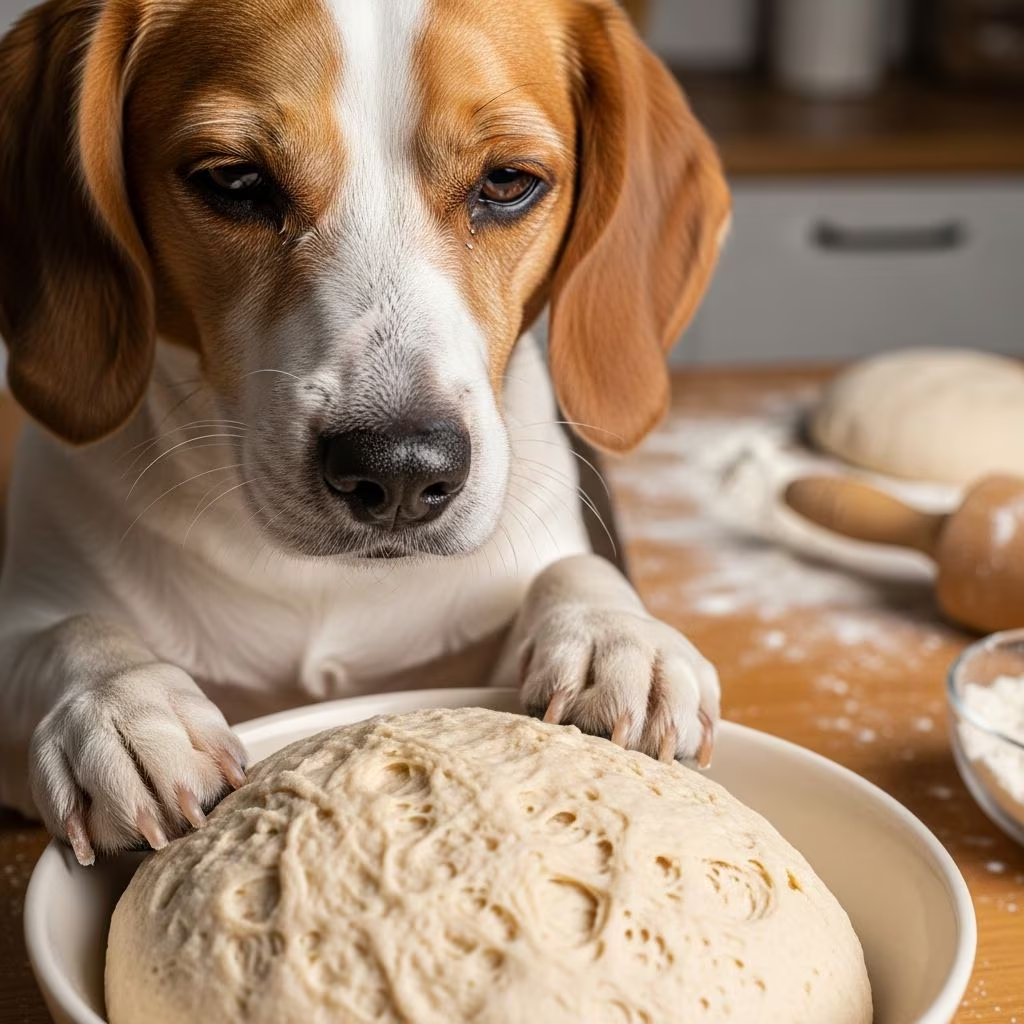
Raw dough poses a severe threat to dogs because it expands rapidly in their warm stomachs and ferments into ethanol, mimicking alcohol poisoning alongside risks of gastric obstruction or life-threatening bloat. This dual danger turns a seemingly harmless kitchen mishap into a veterinary emergency, especially during baking seasons when unattended bowls tempt curious pets.
The Science Behind Dough’s Deadly Expansion
When a dog ingests uncooked bread, pizza, or similar yeast-containing dough, the warm, moist stomach environment activates the yeast. This triggers fermentation, producing carbon dioxide gas that causes the dough to rise and swell dramatically—often up to several times its original size. The expanding mass stretches the stomach walls, leading to painful distention and potential obstruction of blood flow or organ compression.
Simultaneously, yeast metabolism generates ethanol as a byproduct. As this alcohol absorbs into the bloodstream, it depresses the central nervous system, much like inebriation in humans but far more hazardous for canines due to their smaller size and metabolic differences. Blood ethanol levels rise predictably in affected dogs, confirming the toxicosis diagnosis alongside history of exposure.
Certain breeds face amplified risks. Deep-chested dogs like Great Danes, German Shepherds, and Standard Poodles are prone to gastric dilatation-volvulus (GDV), where the bloated stomach twists, cutting off circulation and requiring immediate surgery. Even without GDV, the glutinous dough resists natural digestion, forming a bezoar-like mass that may necessitate invasive removal.
Recognizing the Warning Signs in Your Dog
Symptoms emerge in phases, starting with mechanical effects and progressing to intoxication. Owners must act swiftly, as delays exacerbate complications.
- Initial gastric distress: Unproductive retching, futile vomiting attempts, and a visibly swollen abdomen signal expansion.
- Neurological onset: Lethargy, ataxia (wobbling), disorientation, and weakness indicate rising ethanol levels.
- Severe progression: Hypothermia, hypoglycemia, tremors, seizures, coma, or collapse mark critical stages; pale gums, excessive thirst, diarrhea, or breathing difficulties may accompany.
Distinguishing dough toxicosis from other issues—like foreign body ingestion or ethylene glycol poisoning—relies on history and blood tests showing elevated ethanol, though presumptive diagnosis suffices in urgent cases. Notably, cookie dough lacks yeast and rarely causes these issues, though it may provoke mild upset; playdough or salt-heavy crafts trigger salt toxicity instead, with overlapping signs like seizures but requiring electrolyte correction.
| Phase | Common Symptoms | Potential Complications |
|---|---|---|
| Early (0-2 hours) | Retching, abdominal bloating | Obstruction |
| Mid (2-6 hours) | Ataxia, disorientation, weakness | Hypoglycemia, acidosis |
| Late (>6 hours) | Seizures, coma, hypothermia | GDV, respiratory failure |
Immediate Steps: What to Do If Ingestion Occurs
Never delay—contact a veterinarian or 24-hour emergency clinic immediately upon suspicion. Time is critical: dough expansion accelerates within minutes, and fermentation ramps up quickly.
- Assess and call ahead: Note the amount ingested, time elapsed, and symptoms. Avoid inducing vomiting at home, as aspiration risk is high with symptomatic dogs.
- En route preparation: If asymptomatic and under 1-2 hours post-ingestion, vets may approve apomorphine or hydrogen peroxide for emesis—but only under guidance, as dough’s stickiness limits efficacy (often removing just 40-60%).
- Monitor vitals: Watch for collapse or distress; keep the dog calm and warm.
Success hinges on speed: Prompt cases often resolve without lasting effects, while delays lead to fatalities from metabolic collapse or GDV.
Veterinary Interventions: From Decontamination to Stabilization
Treatment prioritizes stabilization before dough removal. Vets tailor protocols based on presentation.
Gastrointestinal decontamination: For early, asymptomatic cases, emesis attempts precede imaging. Gastric lavage—pumping cold water via orogastric tube under anesthesia—slows yeast activity and dislodges dough; airway protection with an endotracheal tube is mandatory. Surgery removes stubborn masses or addresses GDV.
Ethanol toxicosis management: IV fluids correct dehydration, hypotension, and electrolytes; dextrose counters hypoglycemia with continuous glucose monitoring. Anti-emetics like maropitant (1 mg/kg SC/IV q24h) or ondansetron (0.5 mg/kg IV q8h) control nausea; thermoregulation prevents hypothermia. Diuretics enhance ethanol clearance in severe cases.
Prognosis is excellent with aggressive care—fair to good even in advanced cases—though GDV surgeries carry higher risks.
Prevention Strategies for Safe Homes
Baking holidays amplify risks, but simple habits safeguard pets.
- Secure dough in covered, elevated spots or refrigerators.
- Never leave mixers unattended; clean spills promptly.
- Educate family on hazards, especially with children helping bake.
- Supervise high-risk breeds extra closely.
X-rays before interventions confirm no twist; post-treatment monitoring ensures full recovery.
Related Hazards: Playdough, Salt Dough, and More
Not all “doughs” act identically. Commercial playdough contains salt levels causing hypernatremia—seizures, ascites, heart issues—necessitating IV fluids and monitoring. Homemade salt ornaments mirror this. Pizza dough ferments like bread; risen dough worsens outcomes. Always treat as emergencies.
FAQs: Common Questions on Dough Toxicity
Q: How much dough is dangerous?
A: Even small amounts (e.g., a golf-ball size) can expand massively; toxicity scales with quantity and dog size.
Q: Can my dog recover fully?
A: Yes, with rapid treatment—most do without sequelae.
Q: Is baked bread safe?
A: Fully baked yeast bread is generally harmless in moderation, lacking fermentation potential.
Q: What breeds are at highest risk for GDV?
A: Great Danes, Shepherds, Setters, Weimaraners, Poodles, Bassets.
Q: Should I wait for symptoms?
A: No—act immediately to prevent escalation.
Long-Term Lessons for Pet Owners
Dough toxicosis underscores vigilance around human foods. By understanding fermentation biology and symptom timelines, owners empower quick responses. Veterinary advances like targeted anti-emetics and lavage techniques boost survival rates, but prevention remains paramount. Share this knowledge—many incidents stem from unawareness during festive baking.
Equip yourself with pet poison hotline numbers (e.g., ASPCA at 888-426-4435) and vet contacts. Early intervention transforms potential tragedies into recoveries.
References
- Bread Dough Toxicosis in Animals — Merck Veterinary Manual. Accessed 2026. https://www.merckvetmanual.com/toxicology/food-hazards/bread-dough-toxicosis-in-animals
- Dough & Dogs: Why It’s Bad and What You Can Do — Preventive Vet. Accessed 2026. https://www.preventivevet.com/dogs/dough-is-toxic-to-dogs
- Bread Dough Toxicity in a Dog — VETgirl Veterinary CE Videos (YouTube transcript). Accessed 2026. https://www.youtube.com/watch?v=Ov3HA5Ezyx0
- Bread Dough Poisoning in Dogs — Animal Emergency & Referral Center of Minnesota. Accessed 2026. https://aercmn.com/no-bread-dough-for-fido/
- Unbaked Bread Dough Poisoning in Dogs — WagWalking. Accessed 2026. https://wagwalking.com/condition/unbaked-bread-dough-poisoning
- Bread Dough Is Toxic To Dogs — Pet Poison Helpline. Accessed 2026. https://www.petpoisonhelpline.com/poison/bread-dough/



