

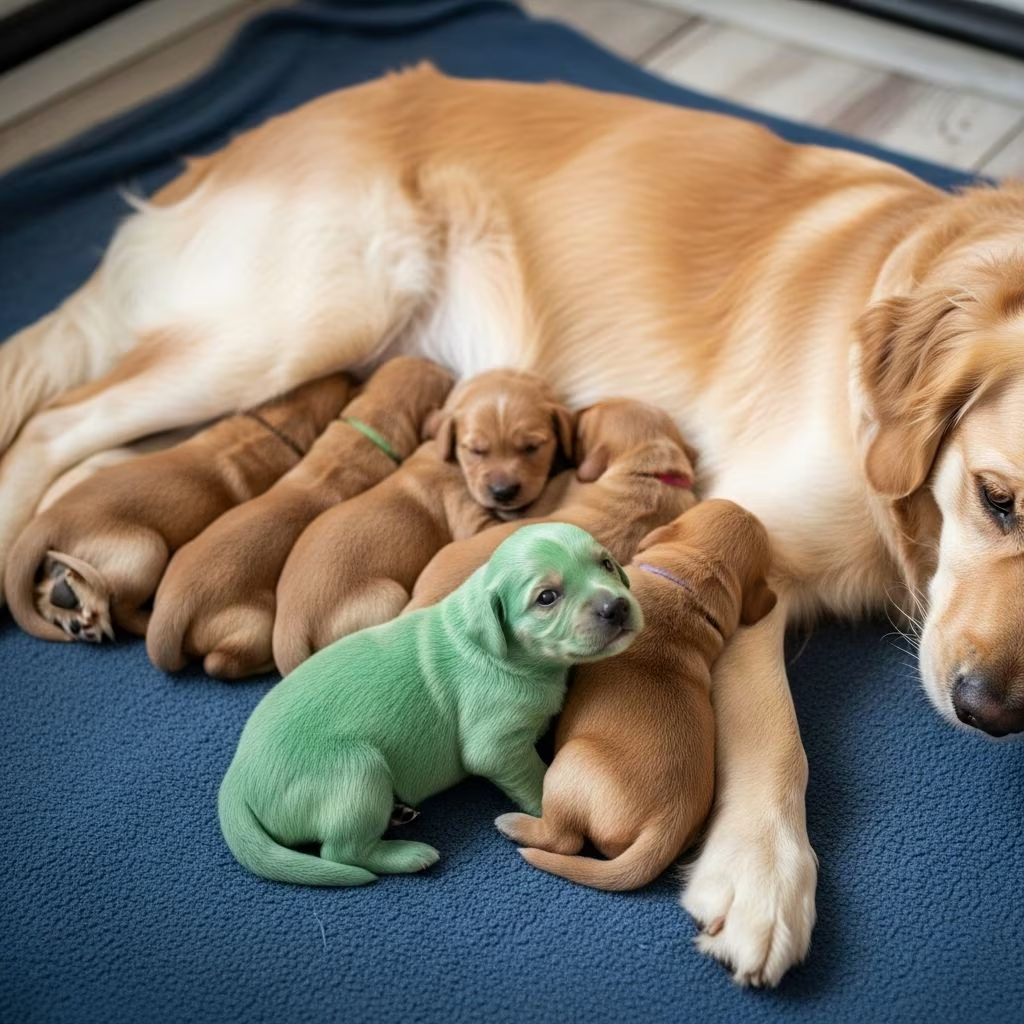
Why Are Some Puppies Born With Green Fur?
In the animal kingdom, nature occasionally surprises us with unexpected phenomena that defy our expectations. One such occurrence is the birth of puppies with green fur—a rare but real event that has captured the attention of dog lovers and veterinarians worldwide. While it may sound like something from a fantasy novel, puppies born with green coats are the result of a fascinating biological process involving natural pigments present during fetal development.
This unique occurrence happens when light-colored puppies come into contact with a green pigment called biliverdin, which is found in bile and the placental environment. Although the condition is unusual and may alarm new mothers and breeders upon first sight, veterinarians confirm that it poses no health risks to the affected puppies and is entirely harmless. Understanding the science behind this phenomenon helps demystify one of nature’s most unusual and intriguing puppy surprises.
Understanding Biliverdin: The Green Pigment Behind the Phenomenon
Biliverdin is a normal breakdown product of heme, which is a component of red blood cells. This green pigment is produced naturally during the metabolic process of breaking down hemoglobin and other heme proteins within the body. During fetal development, biliverdin may be present in the amniotic fluid surrounding the developing puppy, though typically only in very small amounts that would never be noticed by pet parents or breeders.
The presence of biliverdin in the womb is a completely normal biological occurrence. In most cases, the amount present is so minimal that it causes no visible effect on the puppy’s coat. However, in rare cases where biliverdin concentrations are unusually high, the pigment can stain a lighter-colored puppy’s fur, resulting in a temporary green tint that may range from subtle to vibrant depending on the concentration level.
This same green pigment is also responsible for the greenish color seen in healing bruises on humans and animals. The connection between biliverdin and the visible greenish hue in bruises demonstrates how this natural pigment manifests in different biological contexts. The color develops through natural metabolic processes and is nothing to be concerned about from a health perspective.
What Causes Puppies to Be Born Green?
Several factors contribute to a puppy being born with a green coat. The primary cause is prolonged contact with biliverdin in the amniotic fluid during fetal development. When a puppy’s lighter-colored fur comes into contact with high concentrations of this green pigment, the staining occurs naturally and without any intervention or abnormality in the pregnancy.
Another potential contributing factor is meconium, which is a puppy’s first feces. In some cases, meconium may be passed ahead of birth or be present in the placental environment, which can also contribute to the green coloration on the puppy’s coat. The combination of biliverdin and meconium exposure can intensify the green color visible on the newborn.
It is important to note that this condition typically affects only one or two puppies within a litter, rather than entire litters. This selectivity suggests that the specific positioning of individual puppies within the womb and their proximity to areas of higher biliverdin concentration play a role in determining which puppies develop the green coloration.
Which Puppies Are Most Likely to Be Born Green?
The development of green fur at birth is not random—certain characteristics make some puppies more susceptible to visible staining. Light-colored puppies with white, cream, yellow, or golden coats are significantly more likely to display noticeable green coloration at birth. This is because the contrast between the light fur and the green pigment makes the staining obvious to the human eye.
Dark-colored puppies with black, brown, or dark gray coats may actually be born with biliverdin present on their fur as well, but the staining is simply not visible against their darker coat color. This means that the green puppy phenomenon is partly a matter of visibility rather than occurrence. The pigment stains all puppies exposed to it equally, but only lighter-colored puppies show the distinctive green appearance.
Breed does not appear to be a determining factor, as documented cases of green puppies have occurred across various breeds including Golden Retrievers, Labrador Retrievers, American Pit Bull Terriers, and mixed breeds. The key factor is coat color rather than breed genetics or predisposition.
Notable Cases of Green Puppies Throughout History
Several documented cases of green puppies have gained media attention and captured public fascination, providing real-world examples of this rare phenomenon.
Forest: The Scottish Emerald
In 2017, a Golden Retriever named Rio living in the Scottish Highlands gave birth to a litter of nine puppies, one of which was born with a distinctive green tint. The puppy was aptly named Forest by his owner, Louise Sutherland. When the puppies began arriving, Louise and her team were astonished to notice one puppy had green fur. The color was attributed to exposure to the placenta, and Forest’s unique appearance made him instantly recognizable and beloved by his family. The green coloration began fading relatively quickly after birth, with Louise reporting that the color had already faded considerably and would disappear soon.
The Jade-Toned Spanish Twins
In 2014, a remarkable case occurred in Spain when a dog gave birth to a litter that included not just one but two puppies with bright-green coats. This is particularly unusual, as green puppies typically occur as isolated cases within litters. The breeder, Aida Vallelado Molina, initially thought the puppies were simply dirty and attempted to clean them, only to discover the color would not come off. The breeder’s surprise and initial confusion highlight how uncommon this phenomenon is even among experienced dog breeders. A Yellow Labrador Retriever born green in connection with this case was notably named Hulk, referencing the famous green superhero.
Pistachio: The Italian Cannoli
In 2020, Italian farmer Cristian Mallocci reported that his dog had given birth to a litter containing a mint-green puppy. The farmer embraced the unique coloration by naming the puppy Pistachio, a fitting name for the distinctive hue. The BBC covered the story, noting the cultural significance of the green color as a symbol of hope—a particularly meaningful association during the challenging year of 2020.
Shamrock: The Floridian Good-Luck Charm
In March of 2023, a breeder in Pensacola, Florida, welcomed a litter that included one puppy with the distinctive biliverdin pigment coloring. The father, Mike Burr, was immediately drawn to the unique puppy due to her distinctive color and named her Shamrock. As he got to know her personality beyond her unusual appearance, he became completely smitten with the little pup, demonstrating how these rare puppies can capture hearts through both their uniqueness and their individual personalities.
Princess Fiona: The Green Labrador
A chocolate Labrador Retriever gave birth to her first litter, which included four male yellow Labs and one exceptionally unique female puppy. The litter’s star was a green-colored puppy named Princess Fiona, or Fifi for short. The high level of biliverdin in Fiona’s birth sac was uncommonly elevated, resulting in more pronounced staining of her fur. Despite her unusual appearance, Princess Fiona was confirmed to be completely healthy and entirely normal in every way.
Health Implications and Safety
One of the most important facts for pet parents and breeders to understand is that there are no known health risks associated with puppies being born green. This condition is purely a cosmetic occurrence with absolutely no impact on the puppy’s physical health, development, or quality of life.
Puppies born with green fur develop normally, reach typical developmental milestones, and show no signs of any underlying health problems. The biliverdin staining does not affect organ function, growth rates, or any other physiological processes. Veterinarians consistently confirm that this condition has zero negative health consequences for affected puppies.
The temporary nature of the green coloration further reinforces its harmless nature. The color will naturally fade away as the mother dog cleans the puppy during routine grooming and as the biliverdin gradually washes away through natural processes. Within weeks of birth, the green tint typically disappears completely, and the puppy’s natural coat color emerges fully.
How Long Does the Green Color Last?
The green coloration on puppies born with biliverdin staining is not permanent and fades relatively quickly. In most cases, the color begins noticeably fading within the first few weeks of life. The mother dog’s natural grooming behavior plays a significant role in removing the green pigment from the puppy’s coat.
As the puppy grows and develops, normal bathing, grooming, and the natural shedding process gradually eliminate the remaining biliverdin staining. By the time the puppy is several weeks old, the green color has typically disappeared entirely, revealing the puppy’s true natural coat color beneath.
The exact timeline for color fading can vary depending on factors such as the initial concentration of biliverdin, the puppy’s coat texture and density, and how frequently grooming occurs. However, in virtually all documented cases, the green color is completely gone within weeks rather than months, with most puppies returning to their natural coloring well before they reach adoption age.
Biliverdin in Other Contexts: Green Urine in Dogs
While green puppies are born from biliverdin exposure during fetal development, this green pigment can appear in other unusual ways in dogs. The Minnesota College of Veterinary Medicine published research about a rare metabolic disorder called hereditary biliverdinuria, which causes dogs to produce green urine.
Hereditary biliverdinuria is an extremely rare condition that involves a defect in a gene called BLVRA. This gene provides instructions for the body to produce an enzyme called biliverdin reductase A, which normally breaks down old red blood cells by converting green biliverdin into bilirubin, the yellow pigment responsible for the typical color of urine. When this enzyme does not function properly due to the genetic defect, biliverdin accumulates and causes the urine to turn green.
This condition is so rare that it has only been reported in a handful of dogs worldwide and is even more uncommon in humans. The veterinary research studying this disorder involved just two dogs, making it one of the rarest conditions in canine medicine. Early observations suggest that hereditary biliverdinuria does not appear to cause major disease in affected dogs, though the sample size is too small to make definitive health statements.
Other reasons a dog may have green urine include exposure to toxins, certain medications, or specific types of infections. However, these are separate issues from hereditary biliverdinuria and represent different health concerns. Pet parents noticing any unusual urine coloration in their dogs should consult with a veterinarian to determine the underlying cause.
Frequently Asked Questions About Green Puppies
Q: Is a green puppy sick or unhealthy?
A: No, green puppies are completely healthy and normal. The green coloration has no effect on the puppy’s health, development, or quality of life. There are no known health risks associated with being born green, and affected puppies develop normally in every way.
Q: How common are green puppies?
A: Green puppies are extremely rare. While biliverdin is a normal product of metabolism, the concentration is usually so minimal that it never causes visible staining. Only in unusual cases with higher-than-normal biliverdin levels does visible green coloring occur, typically affecting only one or two puppies within a large litter.
Q: Can puppies of any color be born green?
A: Light-colored puppies with white, cream, yellow, or golden coats are most likely to display visible green coloration because the pigment contrasts visibly against their light fur. Dark-colored puppies may be exposed to the same biliverdin but the staining is not visible against their darker coat color.
Q: How long will my green puppy stay green?
A: The green coloration typically fades within weeks of birth. The mother dog’s grooming behavior, natural bathing, and the normal shedding process gradually remove the biliverdin staining. Most puppies return to their natural coat color well before reaching adoption age.
Q: Should I bathe a green puppy to remove the color?
A: Gentle bathing can help, but it is not necessary. The color will fade naturally through the mother’s grooming and normal environmental exposure. If bathing is desired, use gentle puppy-appropriate shampoos and avoid vigorous scrubbing that could irritate the puppy’s delicate skin.
Q: What causes biliverdin to stain puppies?
A: Biliverdin is a normal breakdown product of hemoglobin found in amniotic fluid. When concentrations are unusually high during fetal development, this green pigment stains lighter-colored puppies’ fur. The exact cause of elevated biliverdin in some pregnancies is not completely understood.
Q: Can a puppy be born completely green?
A: Most documented cases show partial green coloration on specific areas of the puppy’s coat rather than complete coverage. The intensity and distribution of the green color depend on the puppy’s positioning in the womb and contact with high biliverdin concentrations.
Q: Are green puppies more valuable or sought after?
A: While green puppies certainly capture attention due to their unusual appearance, they are not inherently more valuable. Their worth is determined by the same factors as any other puppy—breed, pedigree, health, and genetics. The temporary green color is simply a novel characteristic that makes them memorable.
References
- Why Are Some Puppies Born With Green Fur? — Kinship. 2024. https://www.kinship.com/dog-health/puppies-are-born-green
- Meet ‘Forest’, a Golden Retriever Puppy Who Was Born Green — Country Living. https://www.countryliving.com/life/kids-pets/news/a44008/green-golden-retriever-puppy/
- Find Out Why This Puppy was Literally Born Green — Rover.com. https://www.rover.com/blog/find-puppy-born-green-literally/
- Golden retriever gives birth to rare green puppy — FOX 13 Seattle. https://www.fox13seattle.com/news/golden-retriever-gives-birth-to-rare-green-puppy
- Some puppies are born green! — Rescue Ranch Inc. https://rrdog.org/fact/some-puppies-are-born-green/



