

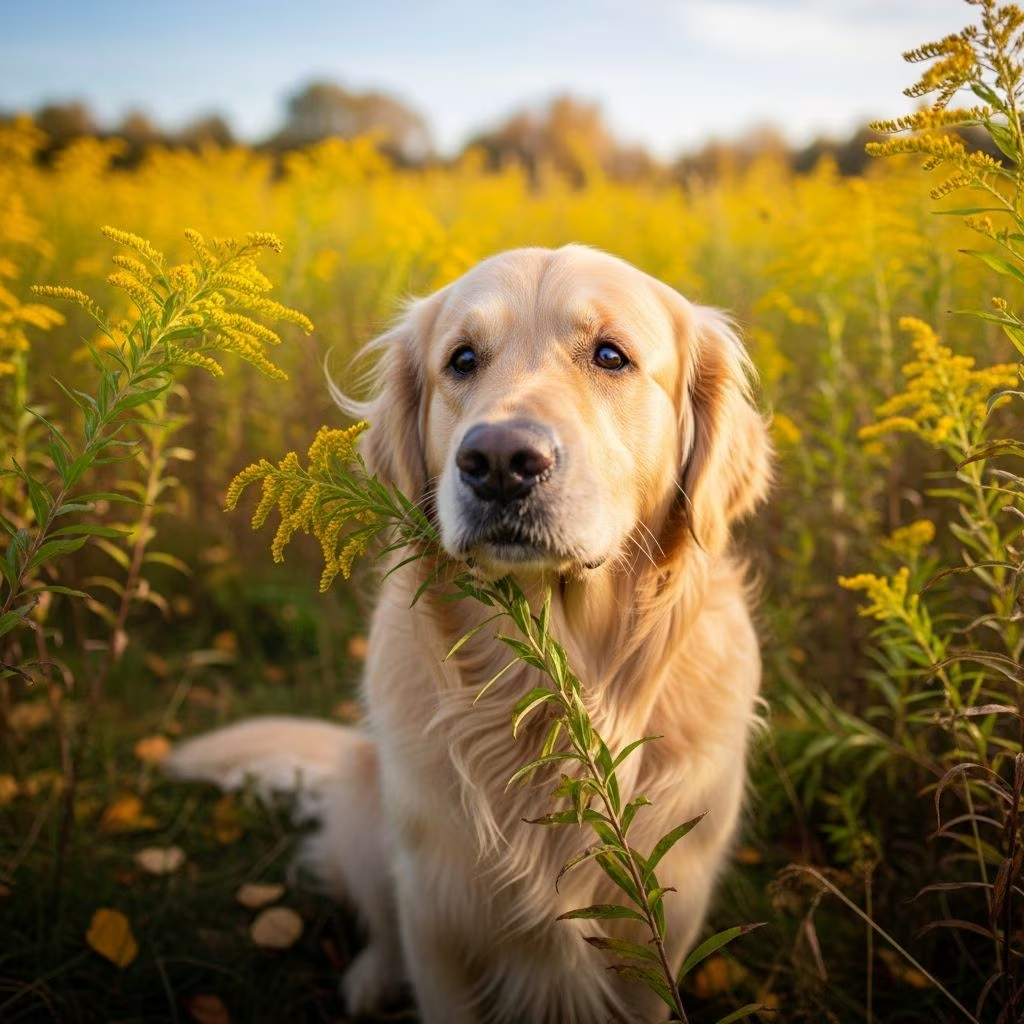
Seasonal allergies affect pets just as they do humans, causing discomfort during specific times of the year. In late summer and fall, allergens like ragweed, mold, and dust mites peak, leading to exacerbated symptoms in dogs and cats.
Our pets might not understand allergy medication ads, but they experience the same itching and irritation we do. Unlike humans who often sneeze or have runny noses, pets primarily show skin-related signs. Understanding these patterns helps pet owners intervene effectively.
First Thing’s First: Why Are Your Pet’s Allergies So Bad This Time of Year?
Cats and dogs develop seasonal allergies to environmental triggers such as tree pollen, grasses, weeds, mold, mildew, and dust mites. Symptoms intensify when these allergens reach peak levels, typically in spring, summer, and fall.
“Seasonal allergies are a component of a lot of skin and respiratory disease in pets,” explains Dr. Mark Verdino, senior vice president and chief of veterinary staff for North Shore Animal League. These allergies flare with seasonal changes, while indoor allergens like dust mites cause year-round issues.
Dogs and cats more commonly suffer environmental allergies over food ones. “This is when their body has an exaggerated immune reaction to normal things in their environment like pollen, grasses, mold, and dust mites,” says Dr. Carly Fox, senior veterinarian at Schwarzman Animal Medical Center.
Pets can tolerate low allergen levels initially, but cumulative exposure worsens symptoms seasonally. For instance, tree pollen allergies peak in spring, while fall brings ragweed dominance.
Late Summer and Fall Allergens
In fall, **ragweed** pollen surges, with a single plant releasing up to a billion grains. Combined with cool nights and warm days starting in August, it triggers intense reactions.
- **Ragweed**: Peaks in late summer through fall, causing sneezing and itching.
- **Mold**: Thrives in wet leaf piles and humid conditions.
- **Dust mites**: Proliferate in humidity, irritating skin year-round but worsening in fall.
Dogs, spending more outdoor time, face higher exposure, leading to itchy skin, red eyes, ear infections, and occasional sneezing.
Humidity in late summer amplifies these by promoting mold growth and dust mite populations. Even indoor pets suffer as allergens track in on shoes or through vents.
How Do You Know If Your Pet Has Allergies?
Don’t expect runny noses—pets rarely show respiratory signs like humans. Instead, watch for skin issues, the primary indicator.
Symptoms vary by allergen: inhaled ones may cause mild respiratory issues, food allergies gastrointestinal problems, and contact allergens skin reactions. Overlap is common.
Dr. Alix Kay Berglund, assistant professor at University of Maryland’s Department of Veterinary Medicine, notes dogs and cats often exhibit scratching, licking, redness, and recurrent ear infections.
- Frequent **scratching** or licking paws, belly, or sides.
- **Red or inflamed skin**, hot spots, hair loss.
- **Chronic ear infections** with head shaking or odor.
- Watery eyes, sneezing (less common).
- Restlessness, face rubbing on furniture.
Breeds with floppy ears or short snouts (e.g., Bulldogs, Persians) are more prone. Track symptoms’ timing—worse after outdoors or seasonally—for your vet visit.
Remedies and Management Strategies
Veterinarians recommend diagnostics like allergy testing to pinpoint triggers. Management falls into three categories: avoidance, medications, and immunotherapy.
1. Allergen Avoidance
Minimize exposure:
- Wipe paws and coat after walks with damp cloths.
- Bathe weekly with hypoallergenic shampoos to remove allergens.
- Use air purifiers, wash bedding in hot water weekly to kill dust mites.
- Keep pets indoors during peak pollen times; avoid leaf piles.
2. Medications
Symptomatic relief includes:
- Antihistamines: Benadryl (diphenhydramine) at 1mg/lb twice daily, vet-approved.
- Apoquel or Cytopoint: Fast itch relief injections or pills for dogs.
- Steroids: Short-term for severe cases, under vet supervision.
- Ear cleaners and topical sprays for infections.
Food trials rule out dietary allergies.
3. Immunotherapy
Allergy shots or drops desensitize over months, offering long-term relief for 60-80% of pets. Custom based on testing.
| Strategy | Pros | Cons | Best For |
|---|---|---|---|
| Avoidance | Non-invasive, cost-effective | Hard to fully eliminate allergens | Mild cases |
| Medications | Quick relief | Side effects, ongoing cost | Moderate-severe flare-ups |
| Immunotherapy | Long-term solution | Slow results (3-6 months) | Chronic allergies |
When to See a Vet
Consult if symptoms persist >2 weeks, worsen, or include hair loss, open sores, or lethargy. Early intervention prevents secondary infections.
Your vet may perform skin scrapes, cytology, or blood tests. Never use human meds without guidance.
Preventing Fall Allergy Flares
Proactive steps:
- Start flea preventives year-round—flea bites mimic allergies.
- Regular grooming reduces pollen buildup.
- Monitor pollen counts via apps; limit outdoor time.
- Dietary supplements like omega-3s support skin health.
In humid areas, dehumidifiers curb mold and mites.
Frequently Asked Questions (FAQs)
Why do pet allergies worsen in fall?
Fall brings ragweed peaks, mold from decaying leaves, and dust mite surges in humidity, overwhelming pets’ immune systems.
Can cats get seasonal allergies?
Yes, though less common than in dogs; symptoms include itching and ear issues from pollen or mites.
Is Benadryl safe for dogs with allergies?
Often yes, at proper doses (1-2mg/lb), but consult your vet first to avoid interactions.
How long do seasonal allergies last in pets?
Typically until frost kills ragweed (late fall), but indoor allergens persist.
Can diet help pet allergies?
Hypoallergenic or novel protein diets rule out food triggers; omega fatty acids soothe skin.
References
- Why Are Pets’ Allergies So Bad in the Late Summer and Fall? — Kinship.com. 2023. https://www.kinship.com/pet-health/why-pets-allergies-are-bad-late-summer-fall
- Managing Pet Allergies in Urbana’s Late Summer Humidity — Urbana Veterinary Clinic. 2024-08-15. https://www.urbanavc.com/blog/managing-pet-allergies-in-urbanas-late-summer-humidity
- Dog Seasonal Allergies: Symptoms and Treatment — PetMD (veterinary resource). 2025-03-10. https://www.petmd.com/dog/conditions/skin/seasonal-allergies-dogs
- What You Should Know About Fall Allergy Season for Your Dog — Dogtopia. 2024. https://www.dogtopia.com/blog/what_you_should_know_about_fall_allergy_season_for_your_dog/
- Fall Allergies in Pets: What Every Pet Owner Should Know — Omnivet. 2024-09-01. https://www.omnivet.org/blog/fall-allergies-pets-what-every-pet-owner-should-know
- Seasonal Allergies in Dogs: Causes, Symptoms, and Relief Options — Ark Animal Hospital. 2025. https://www.arkvh.com/seasonal-allergies-dogs-relief/



