

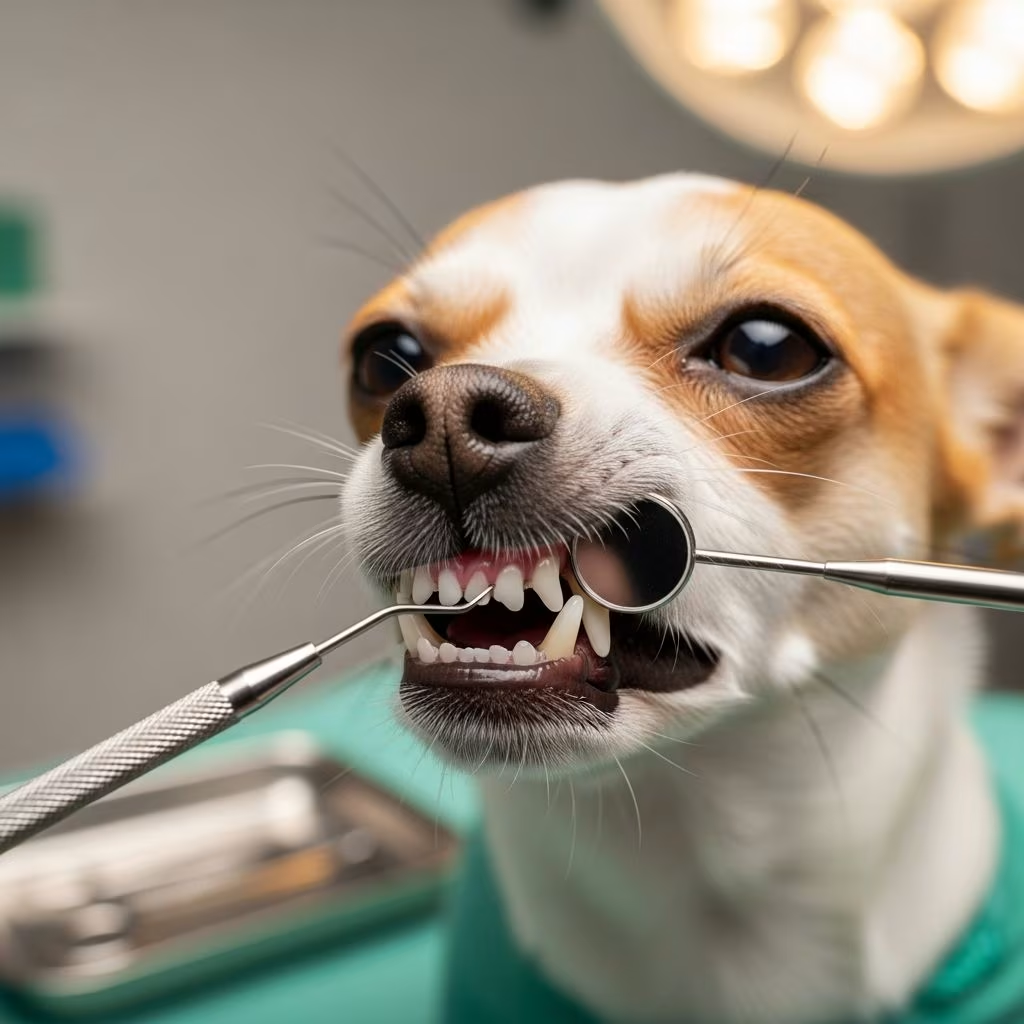
Professional dental cleanings for pets like dogs and cats often come with hefty price tags, typically ranging from $300 to over $2,000 depending on various factors. These costs reflect the specialized nature of veterinary dentistry, which involves anesthesia, advanced equipment, and potential surgical interventions to ensure your pet’s oral health.
The Essential Components Driving Up Costs
Understanding the breakdown of a pet dental procedure reveals why bills add up quickly. Unlike human dentistry, pet cleanings require full general anesthesia because animals cannot cooperate during the process, making safety and precision paramount.
- Anesthesia and Monitoring: This is often the largest expense, accounting for 40-60% of the total. It includes pre-anesthetic bloodwork, IV fluids, and continuous monitoring by veterinary technicians to track heart rate, oxygen levels, and blood pressure during the procedure.
- Dental Diagnostics: Full-mouth X-rays are standard to detect hidden issues like abscesses or bone loss under the gumline, adding $150-$300 to the bill.
- Professional Cleaning: Ultrasonic scalers and polishers remove tartar above and below the gumline, a labor-intensive step performed by licensed vets or technicians.
- Treatments and Extractions: If periodontal disease is present, extractions (starting at $40-$100 per tooth) or other therapies like root canals may be needed, significantly inflating costs.
Factors That Influence Your Pet’s Dental Bill
Several variables determine the final price, making each case unique. Pet owners should discuss estimates upfront with their vet to avoid surprises.
| Factor | Impact on Cost | Example |
|---|---|---|
| Location | High-cost urban areas charge 20-50% more | National average ~$314 for cats; higher in cities |
| Pet Size | Larger pets need more anesthesia | Big dogs: higher doses increase fees |
| Age and Health | Older pets require extra monitoring/tests | Seniors with conditions add $100-$500 |
| Oral Condition | Advanced disease means extractions/surgery | Gingivitis or fractures: up to $1,500+ |
| Vet Expertise | Board-certified dentists charge premium | General vet: $300-600; Specialist: $1,000-2,000 |
For cats, costs range from $100-$2,000, influenced by weight, age, and issues like tooth resorption. Dogs see similar spreads, with averages around $388-$700 for routine care but escalating for complex cases.
Average Costs Across Common Scenarios
Here’s what pet owners typically pay based on procedure complexity:
- Routine Cleaning (Healthy Mouth): $300-$600, including anesthesia, X-rays, and scaling.
- Moderate Issues (Tartar + Minor Extractions): $700-$1,200.
- Advanced Care (Multiple Extractions, Surgery): $1,500-$2,000+.
These figures exclude post-op meds like antibiotics (e.g., clindamycin) or pain relievers, which add $50-$150.
Pet Insurance: Does It Cover Dental Work?
Standard pet insurance often excludes routine dental cleanings, classifying them as preventive. However, many providers offer wellness add-ons that reimburse 70-100% of costs.
- Embrace Wellness Rewards: Covers cleanings for $10-$20/month add-on.
- Progressive BestWellness: Includes dental, heartworm prevention, microchipping.
- Key Considerations: Premiums vary by age, breed, location, spay/neuter status. Pre-existing conditions are typically excluded.
Compare plans carefully—wellness add-ons may pay for themselves after one cleaning. For non-covered cases, inquire about payment plans or low-cost clinics.
Home Prevention Strategies to Lower Future Costs
While professional cleanings are irreplaceable, daily habits can reduce tartar buildup and disease progression, potentially avoiding expensive treatments.
- Brushing: Use pet-safe enzymatic toothpaste 2-3 times weekly. Start slow to build tolerance.
- Dental Chews and Toys: VOHC-approved products (Veterinary Oral Health Council) mechanically scrape plaque.
- Water Additives and Diets: Prescription kibble or additives control bacteria without brushing.
- Regular Checkups: Annual vet exams catch issues early.
Studies show consistent home care can extend time between professional cleanings by 6-12 months, saving hundreds long-term.
Risks of Skipping Professional Dental Care
Neglecting cleanings leads to periodontal disease in 80% of dogs and 70% of cats over age 3, causing pain, tooth loss, and systemic issues like heart/kidney disease. Bacteria from infected mouths enter the bloodstream, posing serious health risks.
DIY scraping is dangerous—injures gums, pushes bacteria deeper, and lacks anesthesia for thorough subgingival cleaning.
Questions Pet Owners Frequently Ask
FAQs
How often does my pet need a dental cleaning?
Annually for most, but every 6 months for high-risk breeds or those with prior disease. Vets assess via staging (0-4 scale).
Is anesthesia always necessary?
Yes, for safety and effectiveness. Non-anesthetic cleanings miss root issues and cause stress/pain.
Can I shop around for better prices?
Absolutely—call multiple clinics for quotes, confirming inclusions like X-rays and fluids.
What if I can’t afford it now?
Explore CareCredit financing, nonprofits, or payment plans. Delaying worsens costs.
Are there breed-specific risks?
Yes—small dogs (e.g., Chihuahuas) and brachycephalic cats prone to crowding/decay.
Choosing the Right Veterinary Provider
Opt for clinics offering comprehensive oral health assessment and treatment (COHAT), including probing and charting. Board-certified specialists (Diplomate AVDC) handle complex cases but cost more.
Verify credentials, read reviews, and ask about technician certification. Transparent pricing and detailed estimates build trust.
Long-Term Oral Health Planning
Budget $400-800 yearly for preventive care in multi-pet homes. Track your pet’s dental stage at each visit to predict needs. Combining insurance, home care, and early intervention minimizes surprises.
Investing in dental health extends lifespan and quality of life—pain-free pets eat, play, and thrive better.
References
- Cat Teeth Cleaning Cost: Factors Affecting What You May Pay — GoodRx. 2023. https://www.goodrx.com/pet-health/cat/cat-teeth-cleaning-cost
- Dog Teeth Cleaning Cost | How Much is Dog Dental — Embrace Pet Insurance. 2023. https://www.embracepetinsurance.com/waterbowl/article/how-much-dog-teeth-dental-cleaning-cost
- Understanding the Costs of Dog Teeth Cleaning — Orea Te AI. 2023. https://www.oreateai.com/blog/understanding-the-costs-of-dog-teeth-cleaning-what-pet-owners-need-to-know/712dd01113d8550a62000be462e58a3a
- How Much Does Dog Dental Care Cost? — Pleasant Hill Animal Hospital. 2023. https://www.pleasanthillanimalhospital.com/services/dogs/blog/how-much-does-dog-dental-care-cost
- Dog Teeth Cleaning Cost: Average Prices, Insurance & Money — PetPlace. 2023. https://www.petplace.com/article/dogs/pet-care/dog-teeth-cleaning-cost
- Why Are Dentals So Expensive? — Paolo Vet. 2023. https://www.paolivet.com/health/why-are-dentals-so-expensive/
- How Much Does Cat or Dog Teeth Cleaning Cost? — CareCredit. 2023. https://www.carecredit.com/well-u/pet-care/cat-and-dog-teeth-cleaning-cost-and-financing/



