

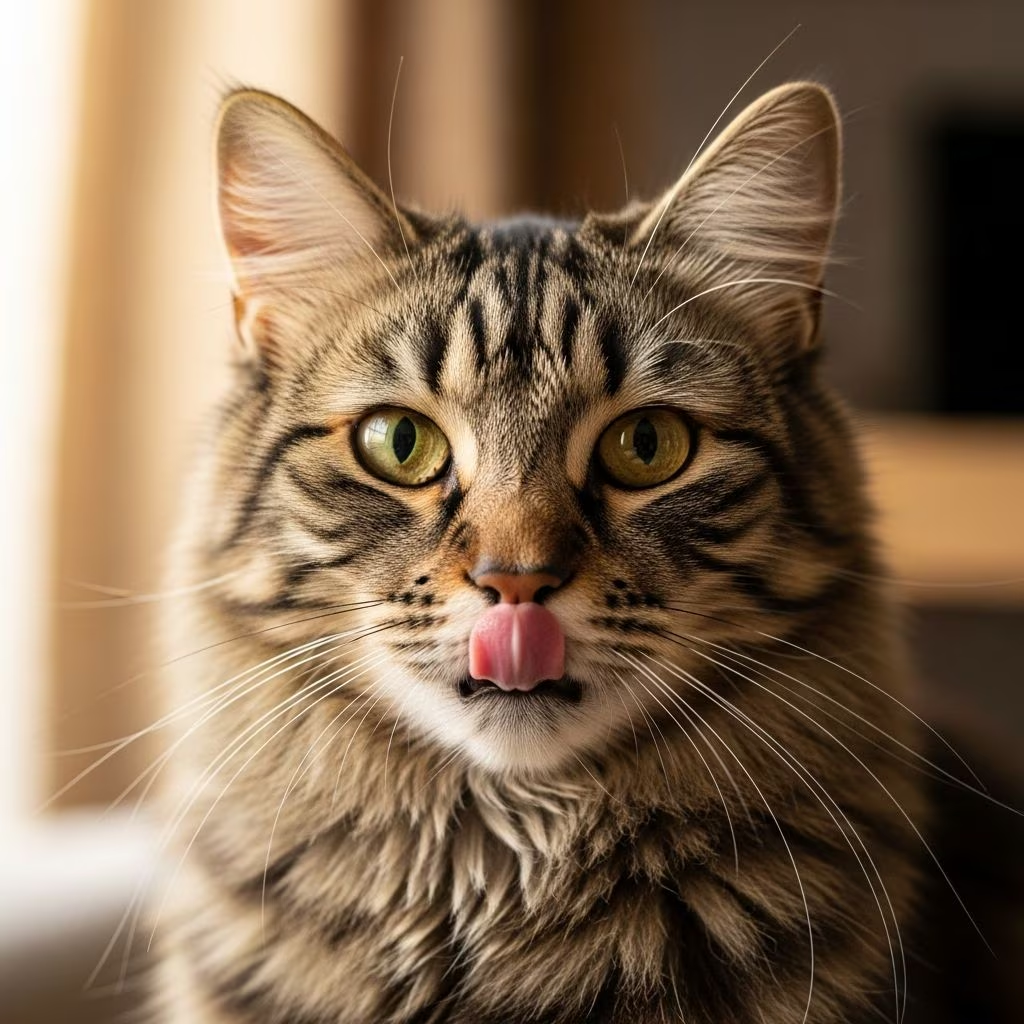
What Is Blepping?
Blepping is when an animal unintentionally sticks their tongue slightly out of their mouth. This adorable behaviour gets its name from the cute appearance it creates, and it’s something pet owners frequently observe in both cats and dogs. Occasional blepping is considered completely normal for both species and is usually connected with activities like sleep, relaxation, eating, and grooming. These brief moments of tongue protrusion are typically harmless and often endearing to pet owners.
It’s important to distinguish between occasional blepping and long-term sustained blepping. While occasional blepping happens infrequently and is brief, long-term sustained blepping occurs when a pet keeps their tongue out for extended periods or does it quite often. Depending on other factors and behaviours connected to the blep, long-term blepping may require veterinary evaluation. Long-term blepping could be associated with oral health issues, neurological conditions, anatomical aspects, and age-related factors.
Why Do Pets Blep? Common Reasons Explained
Exploration and Scent Detection
One of the most fascinating reasons pets blep is related to their sense of smell. When animals have caught the scent of something interesting, they may keep their tongue out as they try to direct scent particles to the roof of their mouth. This location houses a sensory organ that allows them to detect pheromones, making this behaviour essential for their olfactory exploration. This specific behaviour is known as the Flehmen response, and it’s a natural way for pets to enhance their ability to smell and understand their environment.
Dogs exhibit similar behaviour when they ‘lick’ the air to heighten their sense of smell. This is particularly common when dogs are investigating something they find particularly interesting or when they’re trying to gather more information about their surroundings through scent.
Relaxation and Sleep
Some of the most endearing instances of blepping occur when pets are feeling very relaxed or when they are sleeping. During the REM (Rapid Eye Movement) phase of sleep, dogs naturally relax their jaws, and their tongues may protrude slightly. For cats, purring often comes with a blep – they are content, relaxed, and displaying contentment. This is why blepping during nap time is usually a positive sign that your pet feels safe and comfortable.
Cats are notably more likely to blep than dogs, especially during periods of relaxation. According to veterinary experts, when a dog engages in blepping, it often indicates an oral issue such as dental disease. However, for cats, blepping can simply be something they naturally like to do when they’re feeling at ease.
Post-Grooming Behaviour
After cleaning themselves or licking their fur, pets may unintentionally leave their tongues out for a short period of time. This is a normal part of their grooming routine and typically resolves on its own within moments. The tongue may stick out briefly as they finish their cleaning activities.
Temperature Regulation
When dogs are panting to regulate their temperature, their mouth is open and their tongue is out. This is a very normal behaviour when it’s a hot day or the dog is playing outside. Dogs spread their tongues wider while panting to cool off faster, allowing air to pass over the moist surface of their tongue and evaporate excess water, which cools their bodies down. However, pet owners should take note of extended panting, as it may signal dehydration or overheating, both of which require immediate attention.
Distinguishing Normal Blepping From Concerning Blepping
Understanding the frequency and context of blepping is crucial for determining whether your pet’s behaviour is normal or requires veterinary attention. An occasional blep is one you don’t notice much, perhaps occurring once a month or so. However, if a pet does it daily, there’s likely something amiss that warrants investigation.
The key factors to consider include:
- Frequency of occurrence (occasional versus daily)
- Duration (brief moments versus sustained periods)
- Associated behaviours (sleeping, eating, or other activities)
- Pet’s age and dental history
- Presence of other symptoms
When Blepping May Signal Health Issues
Long-term blepping or blepping out of the blue for young pets can be connected with more serious health conditions. Although it’s not considered a medical term, ‘hanging tongue syndrome’ is often used in connection to long-term blepping and may indicate underlying medical concerns.
Age-Related Blepping
Older animals can be seen blepping due to teeth loss. Note that in this case, the blep is often permanent or semi-permanent. Similarly, if teeth have been removed due to other medical issues, their tongue is more likely to be sticking out permanently. This is a natural consequence of changes to the mouth’s structure as pets age.
Oral Health Issues
Blepping can often indicate medical or health issues, like mouth pain and dental disease. If you notice your pet blepping often, a vet visit is recommended to rule out more serious health concerns. For young pets, occasional blepping is not a concern, but frequent blepping in older pets can be connected to oral ulcers, a sore tooth, an oral abscess, or even an oral mass.
Having their tongue out of their mouth can be a sign of chronic nausea, or an oral issue such as gingivitis or a sore tooth. These are situations where a vet check is wise and important for your pet’s wellbeing. Regular dental checks are very important, especially for older pets. Any issues can be detected and addressed early on, with recommendations of at least annual check-ups, or more regularly for seniors or those with known oral issues.
Neurological Conditions
Less commonly, blepping is a sign of a neurological disorder and difficulty holding the mouth shut and the tongue in position. If your pet shows signs of neurological issues alongside blepping, such as loss of coordination, weakness, or other neurological symptoms, veterinary evaluation is essential.
Bee Stings and Insect Reactions
During spring or summer, a pet suddenly blepping may mean they have been stung by a bee. Many cats and dogs try to bite bees, which leads to temporary tongue swelling and an urge to blep or keep their tongue out. This is typically temporary but should still be monitored.
Medication Side Effects
Certain medications for fleas or antibiotics may cause increased drooling for the pet, which might make their tongues stick out. If your pet started blepping after beginning a new medication, discuss this with your veterinarian, as an alternative medication may be available.
Poisoning and Toxin Exposure
Poisoning can be another reason pets blep; with the tongue reacting to irritation or the pet trying to alleviate their discomfort. This is a serious concern that requires immediate veterinary attention, especially if accompanied by other symptoms of poisoning.
Warning Signs That Require Veterinary Attention
You should contact your veterinarian if your pet:
- Starts blepping out of the blue
- Blepping coincides with other changes like vomiting, bad breath, change in appetite, drooling, foaming at the mouth or general discomfort
- Shows persistent tongue protrusion lasting hours or days
- Displays difficulty eating or drinking
- Shows signs of pain or distress when their mouth is touched
- Has visible swelling around the mouth or face
Frequently Asked Questions About Blepping
Q: Is blepping normal in cats?
A: Yes, blepping is quite normal in cats, especially when they’re relaxed or sleeping. Cats are more likely to blep than dogs, and it’s often simply something they naturally do when feeling content. However, if the blepping is persistent or accompanied by other symptoms, veterinary evaluation is recommended.
Q: Is blepping normal in dogs?
A: While occasional blepping in dogs can be normal, especially during sleep or relaxation, frequent blepping in dogs is often associated with oral health issues such as dental disease. If your dog frequently bleps, it’s wise to have them evaluated by a veterinarian.
Q: How often is it normal for a pet to blep?
A: An occasional blep occurring once a month or less is considered normal. If your pet is blepping daily, there may be an underlying issue that requires veterinary attention.
Q: What should I do if my pet is constantly blepping?
A: If your pet is constantly or frequently blepping, schedule a veterinary appointment to rule out oral health issues, neurological conditions, or other health concerns. Your vet can perform a thorough examination to determine the cause.
Q: Could blepping indicate serious health problems?
A: While occasional blepping is usually harmless, long-term or sudden blepping can indicate oral health problems, neurological issues, infections, or other health conditions. When in doubt, consult with your veterinarian for a proper diagnosis.
Q: Is hanging tongue syndrome serious?
A: Hanging tongue syndrome, characterized by persistent tongue protrusion, can indicate underlying health issues, particularly in older pets or those with dental problems. It should be evaluated by a veterinarian to determine the cause and appropriate treatment.
Q: When should I be concerned about my pet’s blepping?
A: Be concerned if blepping is frequent, persistent, or accompanied by other symptoms such as bad breath, difficulty eating, drooling, vomiting, or behavioural changes. These signs warrant professional veterinary evaluation.
Maintaining Your Pet’s Oral Health
Prevention is key when it comes to blepping related to oral health issues. Regular dental checks are very important, especially for older pets. Establishing a routine of professional dental cleanings and at-home dental care can help prevent many of the oral problems that lead to concerning blepping.
Pet owners should:
- Schedule annual dental check-ups for adult pets
- Increase check-up frequency for senior pets or those with known oral issues
- Brush their pet’s teeth regularly if recommended by their veterinarian
- Monitor their pet’s breath for signs of oral disease
- Watch for changes in eating habits or drooling
- Report any instances of prolonged blepping to their veterinarian
Conclusion
Blepping is usually an adorable and harmless behaviour that signals relaxation, contentment, and normal bodily functions in cats and dogs. Understanding the difference between occasional, normal blepping and persistent blepping that may indicate health concerns is essential for every pet owner. While most instances of blepping are nothing to worry about, being attentive to changes in your pet’s behaviour and consulting with your veterinarian when you notice frequent or unusual blepping ensures that any potential health issues are caught early. By maintaining regular dental check-ups and monitoring your pet’s overall health, you can help ensure that your beloved companion remains healthy and happy for years to come.
References
- Why is Your Pet Blepping and Should You Be Concerned? — Kinship. 2024. https://www.kinship.com/uk/pet-behaviour/what-is-blepping
- Canine Communication – Interpreting Dog Language — VCA Animal Hospitals. 2024. https://vcahospitals.com/know-your-pet/canine-communication—interpreting-dog-language
- Why Do Dogs Stick Out Their Tongues? — Potty Buddy. 2024. https://pottybuddy.co/blogs/potty-buddy-blog/why-do-dogs-stick-out-their-tongues
- Behavior Problems of Dogs — Merck Veterinary Manual. 2024. https://www.merckvetmanual.com/behavior/behavior-of-dogs/behavior-problems-of-dogs
- How to Read Dog Body Language — American Kennel Club. 2024. https://www.akc.org/expert-advice/training/how-to-read-dog-body-language/



