

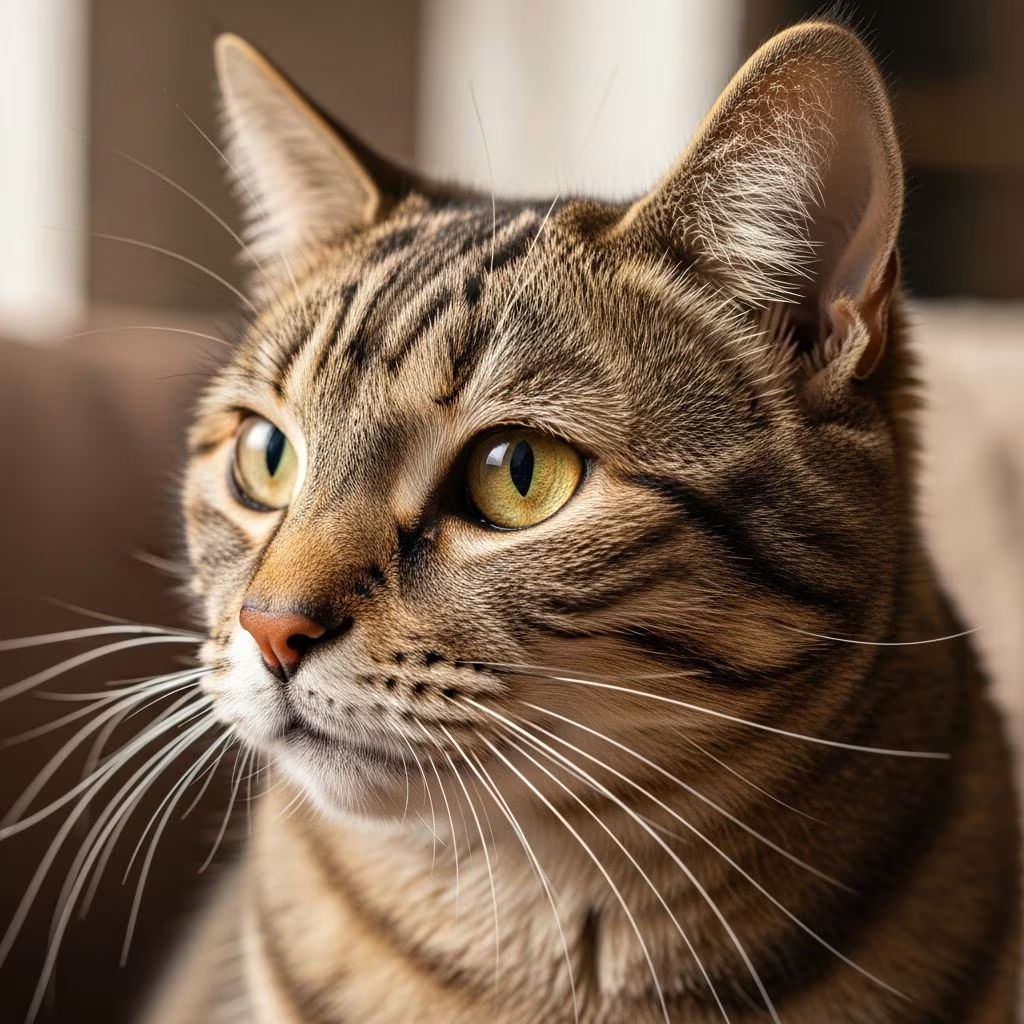
Excessive yowling in senior cats often signals underlying health or cognitive issues rather than simple attention-seeking. Veterinary sources indicate this vocal behavior frequently links to conditions like feline cognitive dysfunction (FCD), affecting up to 85% of cats over 16 years old, or pain from osteoarthritis prevalent in 92% of aging felines.
Recognizing Normal vs. Problematic Vocalization
Senior cats naturally vocalize more as senses decline, but persistent, urgent, or nighttime yowling warrants attention. Unlike youthful meows for food or play, older cat cries may sound distressed or repetitive, often occurring when owners are asleep.
- Normal vocalization: Brief meows during greetings or feeding times.
- Problematic yowling: Prolonged howling, especially at night, accompanied by pacing or confusion.
Tracking patterns—time of day, duration, and triggers—helps identify issues early. A sudden increase in volume or frequency points to medical evaluation needs.
Primary Medical Causes of Yowling
Health problems top the list for senior cat vocal changes. Osteoarthritis, the most common condition, causes pain leading to irritability and cries, with 92% of cats over 6 months showing joint degeneration that worsens yearly.
| Condition | Symptoms Linked to Yowling | Prevalence in Seniors |
|---|---|---|
| Osteoarthritis | Pain-induced irritability, reluctance to move | 92% radiographic evidence |
| Hyperthyroidism | Increased urination, restlessness, vocal urgency | Common in cats over 10 |
| Chronic Kidney Disease | Discomfort, frequent elimination attempts | 68.8% co-occur with OA |
| Sensory Loss (Hearing/Vision) | Disorientation, anxious calling | High in FCD cases |
These conditions overlap; for instance, kidney issues often pair with joint pain, amplifying discomfort and vocalization.
Feline Cognitive Dysfunction: The Hidden Culprit
FCD mimics dementia in humans, impacting memory, learning, and awareness in over 50% of cats aged 11-15. The acronym VISHDAAL outlines key signs: Vocalization (especially nocturnal), Interaction changes, Sleep disruptions, House soiling, Disorientation, Activity alterations, Anxiety, and Learning deficits.
Nocturnal yowling ranks among the top reported issues, as affected cats reverse sleep cycles, wandering and calling aimlessly at night while sleeping excessively daytime.
- Memory lapses: Forgetting litter box location or familiar faces.
- Spatial confusion: Staring blankly or getting lost in known spaces.
- Anxiety spikes: Restless pacing with urgent meows.
Early detection via vet exams, including bloodwork and imaging, allows management with diets, supplements, or medications improving quality of life.
Pain Indicators Beyond Yowling
Aging cats mask pain adeptly, but behavioral shifts reveal it. Decreased grooming, a hallmark, occurs as joint pain limits flexibility; cats lick sore areas excessively, causing bald spots.
- Aggression when touched in painful spots.
- Slow movements or reluctance to jump.
- Changes in posture, like standing to eliminate.
- Withdrawal from play or social interaction.
Hyperthyroidism or hypertension can heighten sensitivity, turning mild discomfort into vocal outbursts. Routine senior wellness checks screen for these via X-rays and labs.
Environmental and Lifestyle Factors
Beyond medical roots, stressors exacerbate yowling. Routine disruptions—like new pets or furniture rearrangements—confuse seniors with declining cognition.
Vision or hearing loss prompts calling to locate owners, mimicking FCD symptoms. Multi-cat homes see increased territorial spraying or aggression, with yowls signaling threats.
Nutritional gaps, such as inadequate hydration, worsen kidney strain, indirectly boosting vocalization.
Diagnostic Steps for Yowling Cats
Veterinarians start with a full history and physical exam. Blood panels detect thyroid, kidney, or diabetes issues; urinalysis flags infections.
Imaging like radiographs reveal osteoarthritis; neurological assessments rule out tumors. FCD diagnosis relies on excluding other causes and observing VISHDAAL behaviors.
Owners should note:
- Yowling timing and triggers.
- Appetite, elimination, and mobility changes.
- Interaction shifts with family or pets.
Management Strategies at Home
While awaiting vet input, create a calm environment. Provide low-sided litter boxes in accessible spots for arthritic cats; multiple stations reduce house soiling.
Enrich nights with pheromone diffusers or calming treats; consistent feeding schedules anchor routines.
| Strategy | Target Issue | Expected Benefit |
|---|---|---|
| Night lights | Vision loss/Disorientation | Reduces confusion wandering |
| Interactive feeders | Cognitive stimulation | |
| Soft bedding ramps | Osteoarthritis pain | Eases access to high spots |
| Prescription diets | FCD progression | Supports brain health |
Grooming assistance prevents matting from reduced self-care.
Veterinary Treatments and Therapies
Tailored interventions address roots. Pain relief via NSAIDs or joint supplements alleviates OA discomfort.
FCD management includes selegiline or anti-anxiety meds; antioxidant-rich diets like those with omega-3s slow decline. Hyperthyroidism responds to methimazole or surgery.
Holistic options like acupuncture show promise for pain and mobility. Regular monitoring adjusts plans as conditions evolve.
Preventive Care for Long-Term Vocal Health
Proactive senior protocols delay issues. Bi-annual vet visits from age 11 catch problems early; weight management curbs OA progression.
Brain-training toys and varied routines build cognitive reserve; hydration fountains encourage kidney health.
Environmental stability minimizes stress; soft diets ease chewing for dental decline.
FAQs on Senior Cat Yowling
Is nighttime yowling always FCD?
No, it often stems from pain or sensory loss, but FCD is common; vet diagnostics clarify.
How quickly should I see a vet for yowling?
Immediately if sudden or with other signs like appetite loss or lethargy.
Can diet help reduce yowling?
Yes, FCD-specific formulas with antioxidants improve symptoms in many cats.
Will my cat’s yowling stop with age?
Not without intervention; untreated issues worsen, but management enhances comfort.
Are supplements safe for senior cats?
Vet-recommended ones like glucosamine for joints are; avoid self-dosing.
Monitoring Progress and Quality of Life
Track improvements post-treatment using logs. Persistent yowling may signal advancing disease, prompting euthanasia discussions centered on comfort.
Quality indicators include appetite return, mobility gains, and reduced night waking. Loving adaptations ensure dignified golden years.
References
- Aging Cats: Behavior Changes, Problems, and Treatments — WebMD. 2023. https://www.webmd.com/pets/cats/old-cat-behavior
- Setting the stage for owners when senior pets develop behavior problems — AVMA. 2021-05-15. https://www.avma.org/javma-news/2021-05-15/setting-stage-owners-when-senior-pets-develop-behavior-problems
- Common Older Cat Behavior Problems — Purina. 2023. https://www.purina.com/articles/cat/senior-cat/behavior/problems
- Older Cats with Behavior Problems — ASPCA. 2023. https://www.aspca.org/pet-care/cat-care/common-cat-behavior-issues/older-cats-behavior-problems
- Behavior Changes and Pain in Aging Cats — VCA Animal Hospitals. 2023. https://vcahospitals.com/know-your-pet/behavior-changes-and-pain-in-aging-cats
- Loving Care for Older Cats — Cornell University College of Veterinary Medicine. 2023. https://www.vet.cornell.edu/departments-centers-and-institutes/cornell-feline-health-center/health-information/feline-health-topics/loving-care-older-cats



