

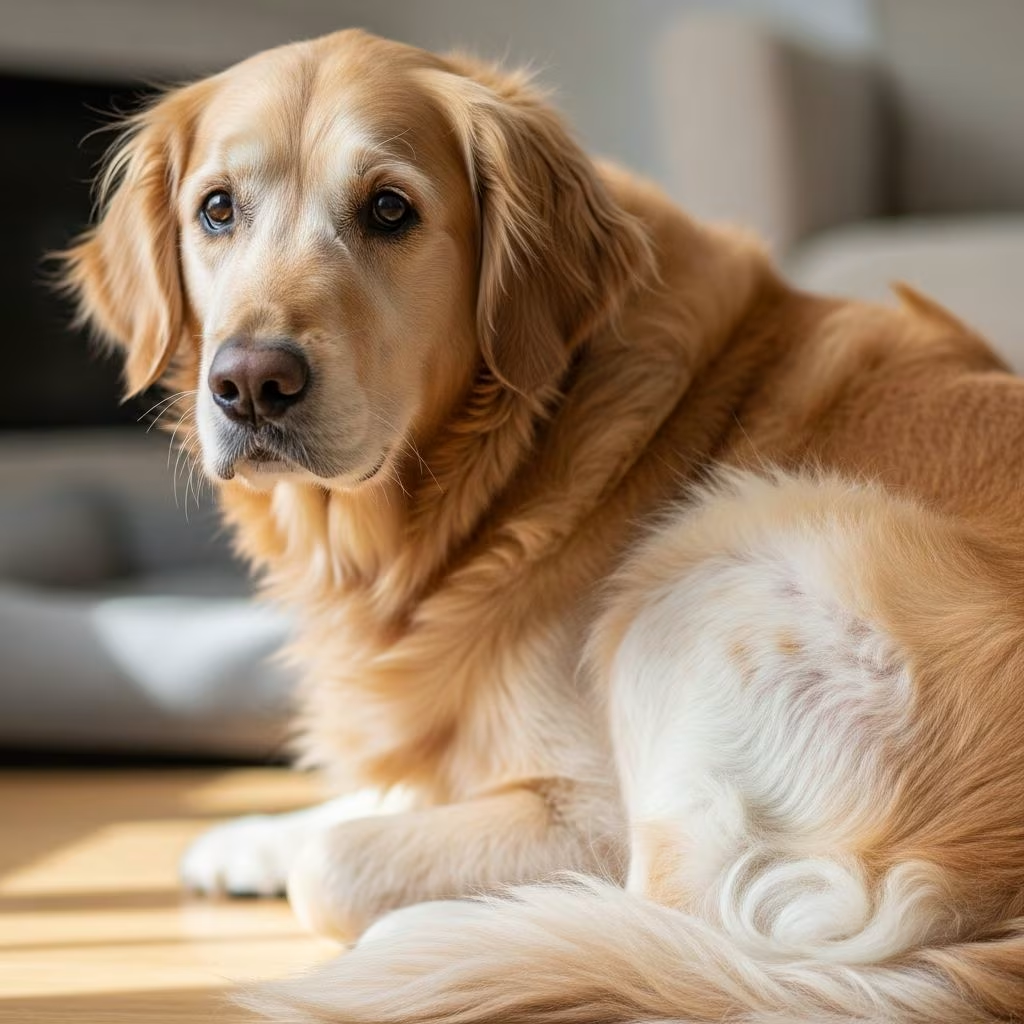
Why Is My Old Dog Losing Hair?
As dogs age, they experience various changes in their physical health and appearance. Hair loss, medically known as alopecia, is a common concern for owners of senior dogs. While some hair shedding is normal throughout a dog’s life, excessive or patchy hair loss in older dogs typically indicates an underlying condition requiring veterinary attention. Unlike humans, hair loss is not a typical sign of aging in dogs, so when your senior companion begins losing significant amounts of hair, it warrants investigation and professional care.
Understanding the causes of hair loss in aging dogs is crucial for providing appropriate treatment and improving your pet’s quality of life. Senior dogs are particularly susceptible to various conditions that can trigger alopecia, ranging from simple skin infections to complex endocrine disorders. This comprehensive guide explores the most common reasons why your old dog may be losing hair and what you should do about it.
Understanding Alopecia in Senior Dogs
Alopecia in senior pets can present in many different ways. Hair loss may develop suddenly, appearing seemingly overnight, or it may progress gradually over weeks or months. The extent of hair loss also varies considerably—some dogs experience widespread, diffuse hair loss across their body, while others develop localized bald patches on specific areas. Additionally, senior dogs respond differently to hair loss; some appear completely unbothered, while others engage in excessive grooming and scratching that can further damage the skin.
The presentation of hair loss lesions can also vary significantly. In some cases, affected areas may appear crusty and inflamed with visible signs of irritation. In other situations, the skin underneath the missing fur may look relatively normal. These variations in presentation help veterinarians identify the underlying cause and determine the most appropriate treatment plan.
Common Causes of Hair Loss in Senior Dogs
Skin Infections and Poor Hygiene
Bacterial and fungal skin infections are among the most common causes of hair loss in senior dogs. These infections often develop as secondary conditions resulting from changes in a senior dog’s lifestyle and grooming habits. As dogs age, they may no longer self-groom as effectively or visit professional groomers regularly, leading to matted hair coats that create ideal conditions for bacterial growth.
Matted fur traps moisture and dirt against the skin while preventing proper airflow—essentially creating a breeding ground for bacteria. Senior dogs with incontinence issues face additional challenges, as prolonged contact with urine or fecal matter breaks down the skin barrier and allows infections to develop more easily.
Pressure sores represent another hygiene-related cause of hair loss in senior dogs. Older dogs often spend extended periods resting in the same position, placing consistent pressure on bony areas such as elbows, hips, and hocks. Over time, this repeated pressure—especially on hard surfaces—causes hair loss, callus formation, and potentially painful ulcerations.
Parasites and Flea Allergy Dermatitis
If your senior dog is not maintained on year-round flea, tick, and heartworm prevention, parasites may be responsible for the hair loss. Fleas are particularly problematic because many dogs develop flea allergy dermatitis (FAD), a hypersensitivity reaction to flea saliva. Remarkably, a single flea bite can trigger rapid and intense symptoms in affected dogs, including severe itching and hair loss concentrated around the tail base and tail area.
Beyond fleas, other parasites like mites and lice can cause significant hair loss. Mange, caused by mites, produces characteristic bald spots along with thickened skin and potential secondary infections. These parasitic conditions require prompt treatment to prevent complications and provide relief to your uncomfortable pet.
Allergies
Allergies represent a significant cause of hair loss in senior dogs and may be seasonal or persist year-round depending on their source. Allergies are typically extremely irritating to affected pets, prompting excessive scratching, licking, and chewing that damages the hair and skin. This self-trauma can lead to secondary bacterial infections that compound the hair loss problem.
Environmental allergies, food allergies, and contact allergies can all manifest as hair loss. The specific pattern and location of hair loss can sometimes provide clues about the allergen involved, helping veterinarians narrow down the cause.
Endocrine and Metabolic Disorders
Several endocrine and metabolic conditions commonly cause hair loss in senior dogs, and these tend to produce distinctive patterns that differ from other causes. Hypothyroidism, where the body produces insufficient thyroid hormone, slows metabolism and frequently results in hair thinning and loss. This condition is particularly common in certain breeds including Bulldogs, Dobermans, Greyhounds, and Dachshunds.
Cushing’s disease, also called hyperadrenocorticism, occurs when the body produces excessive amounts of the hormone cortisol. This overproduction can weaken the dog’s immune system and directly contribute to hair loss. Cushing’s disease is more prevalent in dogs six years or older and may develop after prolonged steroid use for other conditions. Additional signs of Cushing’s disease include increased eating, drinking, urination, panting, and a pot-bellied appearance.
Diabetes mellitus represents another endocrine disorder that can trigger hair loss in aging dogs. These endocrine conditions typically cause symmetrical rather than patchy hair loss, creating a more uniform thinning pattern across the affected areas.
Nervous Behavior and Psychogenic Alopecia
Age-related changes in senior dogs, such as declining hearing or vision, can trigger cognitive dysfunction syndrome—essentially dementia in dogs—which often accompanies increased anxiety and nervous behavior. Anxious older dogs frequently self-soothe through repetitive behaviors like excessive grooming, licking, and chewing, leading to psychogenic alopecia (hair loss caused by behavioral rather than physical problems).
This self-grooming behavior may include hair pulling, chewing, or loss resulting from skin irritation and secondary infections. Common sites where anxious dogs engage in overgrooming include the feet, limbs, flank, and abdomen. It’s important to recognize that overgrooming behavior often indicates an underlying emotional or cognitive issue rather than a simple grooming preference, particularly in senior dogs experiencing age-related anxiety or dementia.
Natural Aging Changes
Senior dogs experience natural physiological changes that can contribute to hair loss. As dogs age, their skin becomes less elastic, and hair follicles may not function as efficiently as they did in younger years. Additionally, hormonal changes inherent to aging can contribute to hair thinning or the development of bald patches. While some age-related changes are inevitable, excessive hair loss should still be investigated rather than dismissed as simply “old age.”
When to Contact Your Veterinarian
Hair loss in your senior dog warrants veterinary attention, particularly if the hair loss is excessive, patchy, or accompanied by other symptoms. You should schedule a veterinary appointment if you notice any of the following:
- Sudden onset of hair loss or rapid progression
- Localized bald patches or circular areas of hair loss
- Red, inflamed, or irritated skin
- Excessive scratching, licking, or chewing
- Discharge, oozing, or bleeding from affected areas
- Scaling, crusting, or flaking skin
- Changes in appetite or water consumption
- Increased lethargy or lack of energy
- Changes in urination or bowel habits
Diagnosis and Treatment
Your veterinarian will perform a thorough physical examination and may recommend additional diagnostic tests to identify the underlying cause of your dog’s hair loss. Depending on the suspected cause, diagnostics might include skin scrapings, fungal cultures, bacterial cultures, or blood work to evaluate thyroid function and other metabolic parameters.
Treatment varies depending on the identified cause. Bacterial infections may require antibiotics, while fungal infections necessitate antifungal medications. Endocrine disorders like hypothyroidism respond well to hormone replacement therapy, and Cushing’s disease may be managed through medication or, in some cases, surgery. Parasitic infestations require appropriate parasite control medications, and anxiety-related hair loss may benefit from behavioral modification techniques, environmental enrichment, or anxiety medications.
Supporting Your Senior Dog’s Skin Health
Beyond treating the underlying cause of hair loss, several supportive measures can promote healthy skin and coat in senior dogs. Regular grooming—either at home or by a professional groomer—helps prevent matting and allows you to monitor skin condition closely. A high-quality diet rich in omega-3 and omega-6 fatty acids supports skin health and may reduce inflammation.
Maintaining consistent parasite prevention year-round protects your senior dog from flea and tick infestations. Providing comfortable resting areas with soft, cushioned bedding can help prevent pressure sores from developing. Adequate hydration and appropriate exercise tailored to your senior dog’s abilities support overall health, which in turn promotes healthier skin and coat.
Frequently Asked Questions
Q: Is hair loss a normal part of aging in dogs?
A: While some changes in coat quality occur with age, significant or patchy hair loss is not a typical aging sign and usually indicates an underlying condition requiring veterinary evaluation.
Q: Can stress cause hair loss in older dogs?
A: Yes, anxiety and stress can lead to psychogenic alopecia, where dogs excessively groom themselves. Age-related cognitive changes and sensory loss in senior dogs can increase anxiety and trigger this behavior.
Q: What should I do if I notice hair loss on my senior dog?
A: Schedule a veterinary appointment to identify the underlying cause. Bring notes about when the hair loss started, how it has progressed, and any other symptoms you’ve observed.
Q: How is hypothyroidism-related hair loss treated?
A: Hypothyroidism is treated with synthetic thyroid hormone replacement therapy. Once properly managed, most dogs experience improvement in hair loss and overall health.
Q: Can grooming help prevent hair loss in senior dogs?
A: Regular grooming helps prevent matting, improves skin hygiene, and allows early detection of skin problems. However, it cannot prevent hair loss caused by internal medical conditions or endocrine disorders.
References
- 5 Common Causes for Hair Loss in Senior Pets — Lap of Love. https://www.lapoflove.com/blog/senior-pet-care/5-common-causes-for-hair-loss-in-senior-pets
- Hair Loss in Dogs: Signs, Symptoms, and Treatments — American Kennel Club. https://www.akc.org/expert-advice/health/hair-loss-in-dogs/
- Hair Loss in Dogs — Steinway Court Veterinary Hospital. https://www.steinwaycourtvet.com/site/blog/2024/03/21/hair-loss-dogs
- Senior Pets and Hair Loss — Paws At Home Vermont Veterinarian. https://www.pawsathomevt.com/senior-pets-and-hair-loss/
- Hair Loss in Dogs: Causes, Symptoms, and Treatment — PetMD. https://www.petmd.com/dog/conditions/skin/hair-loss-dogs-causes-symptoms-and-treatment
- Dog Bald Spots, Dog Hair Loss, Balding Dogs — WebMD Pets. https://www.webmd.com/pets/dogs/dog-bald-spot



