

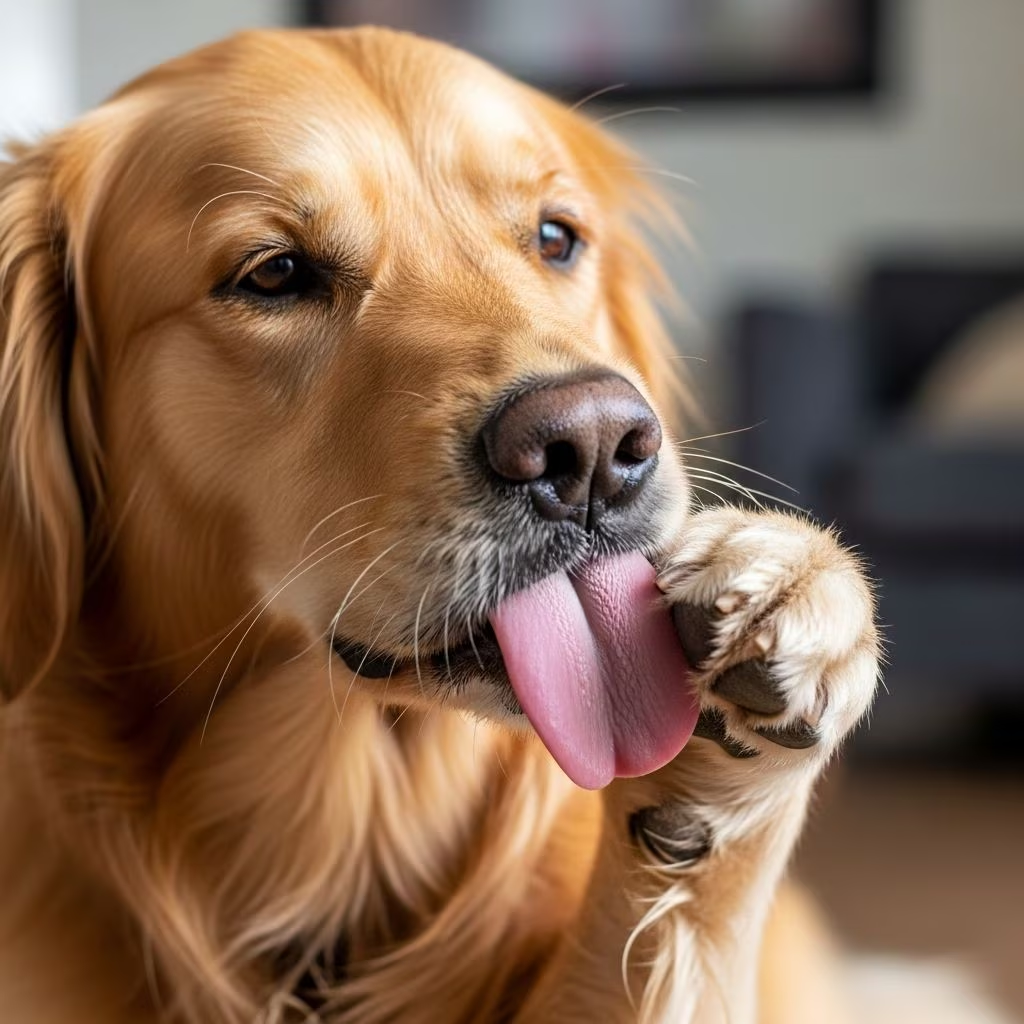
Excessive paw licking is a common behavior in dogs that can range from normal grooming to a sign of underlying health issues. While dogs naturally lick their paws to clean them after walks or to soothe minor irritations, persistent or obsessive licking often indicates problems like allergies, infections, injuries, or stress. This comprehensive guide explores the reasons behind this behavior, symptoms to watch for, treatment options, and prevention strategies to keep your dog’s paws healthy.
Normal vs. Excessive Paw Licking
Dogs lick their paws for several benign reasons, such as cleaning dirt, sand, or debris accumulated during outdoor activities. Licking also helps remove allergens or irritants from the skin and provides mild moisture to dry paw pads. Occasional licking after playtime or exposure to grass is typically harmless and part of their self-grooming routine.
However, **excessive paw licking** becomes concerning when it occurs frequently, lasts for extended periods, or disrupts your dog’s daily life. Signs include red, inflamed paws, hair loss around the feet, brown staining on light fur from saliva (due to porphyrins), foul odors, open sores, or limping. If licking prevents sleep, play, or eating, or if it’s focused on one paw obsessively, it’s time to investigate further.
Common Causes of Excessive Paw Licking
Several factors can trigger excessive paw licking. Identifying the root cause is essential for effective treatment. Below are the most prevalent reasons, supported by veterinary insights.
Allergies: The Leading Culprit
**Environmental allergies** (atopic dermatitis) are the most common cause, affecting dogs genetically predisposed breeds like Golden Retrievers, Labrador Retrievers, and West Highland White Terriers. Pollen, grass, dust mites, mold, and mold spores absorbed through the paws cause intense itching, prompting licking. Symptoms worsen seasonally after outdoor exposure, often staining white paws brown.
**Food allergies** trigger similar reactions from proteins in kibble, such as beef, chicken, dairy, or grains. Dogs lick paws to alleviate inflammation from histamine release.
Infections: Bacterial, Yeast, and Fungal
The moist environment between toes fosters **yeast and bacterial infections**, signaled by redness, swelling, greasy discharge, musty odors, and intense itching. Licking worsens the cycle by adding moisture. **Fungal infections** like ringworm cause circular lesions, hair loss, and crusting, while mites (Sarcoptes or Demodex) lead to scabs and irritation.
Injuries and Pain
Cuts, thorns, burns from hot pavement, or cracked pads from rough surfaces prompt licking for soothing. **Joint pain** from arthritis or osteoarthritis in older dogs radiates to paws, as they can’t reach hips or elbows. Look for stiffness, limping, reluctance to jump, or whining.
Parasites
Fleas, ticks, and mites burrow into paw skin, causing relentless itching. Check for black flea dirt or visible parasites between toes.
Behavioral and Psychological Factors
Anxiety, boredom, stress from changes like moving or new pets, or compulsive disorders lead to **lick granulomas** (acral lick dermatitis)—hairless, thickened sores from obsessive licking. This self-soothing habit persists even after physical issues resolve.
Other Causes: Dry Skin and Hyperkeratosis
Dry, cracked pads from winter weather or hyperkeratosis (excessive keratin buildup) irritate paws, especially in older dogs. Pads become rough, fissured, and painful.
Symptoms to Watch For
Early detection prevents complications. Key signs include:
- Redness, swelling, or heat in paws
- Hair loss or bald patches between toes
- Brown/red saliva staining on fur
- Foul, yeasty odor indicating infection
- Open sores or lick granulomas
- Limping, whining, or avoidance of touch
- Cracked, bleeding pads
Untreated licking progresses: saliva stains → hair loss → skin breakdown → infection → oozing hot spots.
Complications from Untreated Licking
Chronic licking damages the skin barrier, inviting secondary infections and forming **hot spots** (acute moist dermatitis)—painful, rapidly spreading red patches. **Lick granulomas** become ulcerated and infected, resistant to healing. Cracked pads risk deep fissures, while compulsive behavior signals deeper anxiety, potentially worsening immune health.
| Complication | Description | Risk Factors |
|---|---|---|
| Secondary Infections | Bacteria/fungi thrive in moist areas | Constant licking |
| Lick Granulomas | Thickened, hairless sores | Obsession, allergies |
| Cracked Pads | Dry, painful fissures | Over-licking, dry weather |
| Hot Spots | Inflamed, oozing patches | Moisture, irritation |
When to See a Vet
Consult a veterinarian if licking persists >48 hours, worsens, or accompanies symptoms like lethargy, vomiting, diarrhea, or appetite loss. Vets perform skin scrapes, cytology, allergy tests, or biopsies for diagnosis.
- Immediate vet visit for: bleeding, pus, severe swelling, fever, or multiple paws affected.
- Monitor mild cases 24-48 hours with home care.
Home Remedies and Treatments
Treatments target the cause:
- Allergies: Antihistamines (vet-approved), hypoallergenic diets, medicated shampoos, or apoquel/cytopoint injections.
- Infections: Antibiotics, antifungals, or Vetericyn sprays to dry areas.
- Injuries: Clean with antiseptic, cone collar (E-collar), paw booties.
- Pain: NSAIDs like carprofen, joint supplements (glucosamine).
- Behavioral: Puzzle toys, anxiety wraps, CBD treats, or fluoxetine.
Home Tips: Wipe paws post-walk with hypoallergenic wipes, moisturize with vet-safe balms, use bitter sprays (e.g., apple cider vinegar mix) to deter licking.
Prevention Strategies
Proactive care minimizes risks:
- Rinse paws after outdoors to remove allergens.
- Use flea preventives year-round.
- Moisturize pads in dry seasons.
- Provide mental stimulation: walks, toys, training.
- Regular vet check-ups for early allergy detection.
- Diet trial for food sensitivities.
Frequently Asked Questions (FAQs)
Why does my dog lick his paws at night?
Nighttime licking often stems from allergies or anxiety peaking in quiet hours. Check for infections or stress triggers.
Is excessive paw licking always serious?
No, but persistent cases signal issues. Monitor for 48 hours; vet if no improvement.
Can I stop my dog from licking paws at home?
Use E-collars, booties, bitter sprays, and address causes like allergies.
What breeds are prone to paw licking?
Retrievers, Terriers; allergy-prone breeds.
Does paw licking indicate cancer?
Rarely, but chronic granulomas may relate; vet rules out.
References
- Understanding Excessive Paw Licking: Signs, Causes, And Care — Woodhill Vet Clinic. 2023. https://woodhillvetclinic.com/blog/understanding-excessive-paw-licking-signs-causes-and-care/
- Why Is My Dog Licking His Paws So Much? Causes and Remedies — Best Friends Animal Society. 2024. https://bestfriends.org/pet-care-resources/why-my-dog-licking-his-paws-so-much-causes-and-remedies
- Why Do Dogs Lick Their Paws? — PetLab Co. 2024. https://thepetlabco.com/learn/dog/behavior/why-do-dogs-lick-their-paws
- Why is My Dog Licking His Paw? Common Causes and When to Worry — Halo Collar. 2023. https://www.halocollar.com/blog/dog-health/health-care/dog-licking-his-paw-raw/
- Why Do Dogs Lick Their Paws? Understanding Causes — Earthborn Holistic Pet Food. 2024. https://www.earthbornholisticpetfood.com/blog/training-behavioral/why-do-dogs-lick-their-paws-understanding-the-behavior-and-potential-causes/
- Excessive Licking, Chewing, and Grooming in Dogs — PetMD. 2025-01-10. https://www.petmd.com/dog/general-health/excessive-licking-chewing-and-grooming-dogs
- Why Is My Dog Licking its Paws? Causes and Solutions — Vetericyn. 2024. https://vetericyn.com/blogs/vetericyn/why-is-my-dog-licking-his-paws



