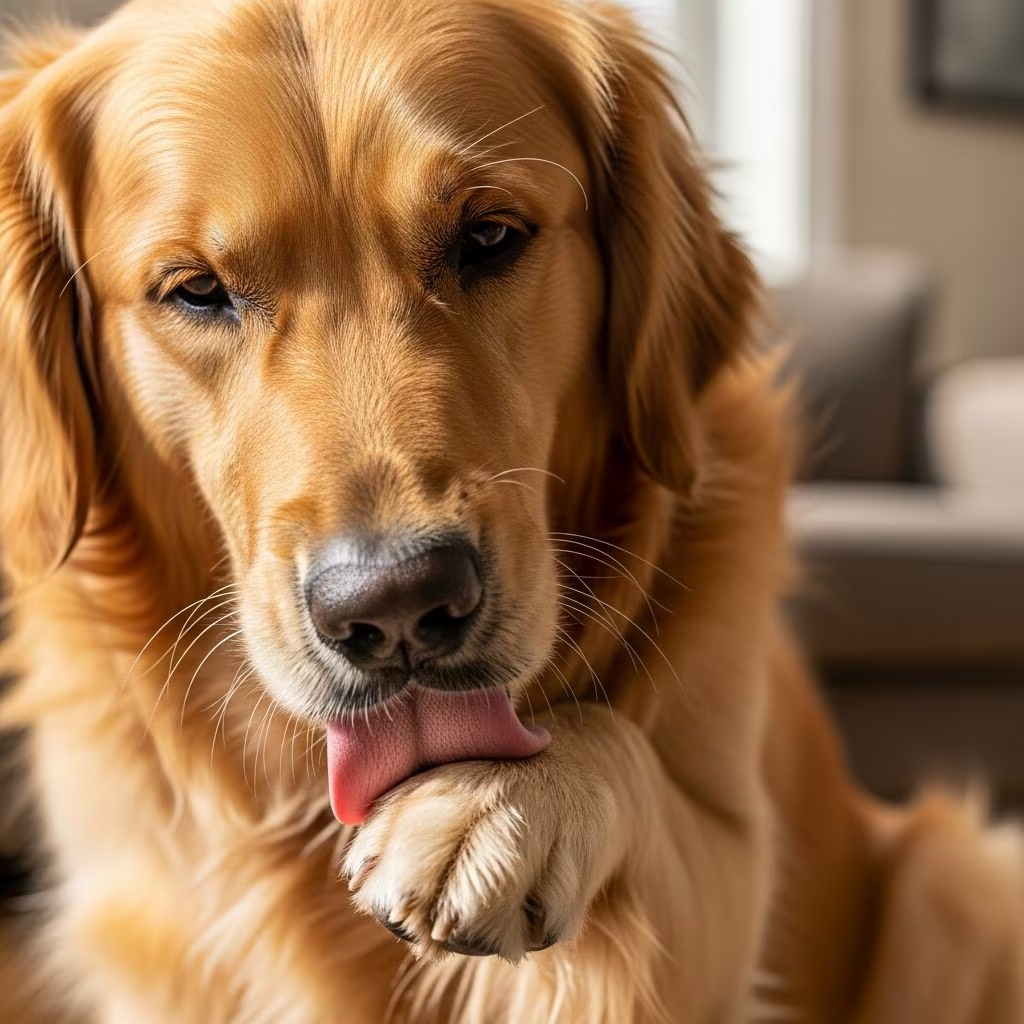
Dogs naturally lick their paws to clean them after walks or play, but **excessive paw licking** can indicate underlying health or behavioral problems. This common behavior often stems from allergies, injuries, infections, parasites, pain, or stress, potentially leading to complications like lick granuloma if ignored.
Recognizing the difference between normal grooming and problematic licking is crucial. Normal licking is occasional and brief; excessive licking involves persistent focus on one or more paws, often causing redness, hair loss, or sores. Early intervention prevents worsening conditions and improves your dog’s comfort.
Normal vs. Excessive Paw Licking
Dogs lick paws for grooming, removing dirt, debris, or allergens encountered outdoors. This self-cleaning is instinctive and healthy in moderation. However, excessive licking—defined as constant, obsessive behavior lasting hours or recurring daily—signals distress.
- Normal licking: Brief sessions after activity, no skin changes.
- Excessive licking: Non-stop, targeting specific paws, leads to moist dermatitis, odor, or wounds.
Monitor duration and intensity. If licking disrupts sleep, eating, or play, or if paws show irritation, consult a vet promptly.
Common Causes of Excessive Paw Licking in Dogs
Several factors trigger this behavior. Identifying the root cause requires observation and veterinary input.
Allergies
**Allergies** are the leading cause, affecting up to 15% of dogs. Environmental allergens like pollen, grass, dust mites, or mold cause itchy paws, prompting licking for relief. Food allergies to proteins like beef, chicken, dairy, wheat, or soy manifest similarly, often post-meal.
Symptoms include seasonal worsening, red skin between toes, swollen pads, or secondary ear/anal gland issues. Atopic dermatitis, a genetic allergic condition, exacerbates paw licking year-round.
Injuries or Irritation
Minor traumas like cuts, thorns, splinters, burns from hot pavement, or insect stings cause localized pain, leading to focused licking. Dogs self-soothe but risk worsening via moisture buildup.
Check paws daily: inspect between toes and pads for foreign objects, cracks, or swelling. Limping or favoring one paw heightens suspicion.
Skin Infections
Constant licking creates a moist environment ideal for **bacterial (pyoderma)** or **yeast (Malassezia) infections**. These secondary issues cause foul odors, greasy discharge, redness, and intensified itching—a vicious cycle.
Yeast infections thrive in warm, humid paws, common in breeds with floppy ears or webbed feet like Labs or Bulldogs.
Parasites
Fleas, ticks, mites, or mange burrow into paw skin, causing intense itch. Flea allergy dermatitis often starts on paws. Check for black flea dirt or visible pests.
Pain from Arthritis or Joint Issues
Older dogs or large breeds may lick due to **arthritis**, hip dysplasia, or growing pains in puppies. Lacking hands, licking is their way to ease joint discomfort.
Symptoms: stiffness, reluctance to jump, or licking multiple legs.
Behavioral and Emotional Causes
Boredom, anxiety, stress, or compulsive disorders lead to habitual licking as self-soothing. Changes like new homes, separations, or lack of exercise trigger this. **Lick granuloma** (acral lick dermatitis) results: thickened, hairless, ulcerated skin from chronic licking.
Breeds like Dobermans, Great Danes, or Labs are prone; it mimics OCD in humans.
Symptoms to Watch For
Beyond licking, red flags include:
- Red, swollen, or bleeding paws
- Hair loss or thickened skin
- Foul smell, pus, or scabs
- Limping or excessive chewing
- Behavioral changes: lethargy, appetite loss
- Hot, moist paws.
If symptoms persist >48 hours or worsen, seek vet care to rule out systemic issues.
Why Paw Licking Can Become a Vicious Cycle
Licking soothes initially but saliva’s enzymes and moisture foster bacteria/yeast growth, intensifying itch. Saliva’s alkaline pH irritates broken skin, perpetuating granulomas. Enzymes digest hair follicles, causing bald patches.
Interrupting early prevents chronicity; untreated cases require surgery or meds.
How to Stop Your Dog from Licking Their Paws
Home Remedies and Prevention
Address basics first:
- Clean paws post-walk: Rinse with cool water or vet-safe wipes to remove allergens.
- Moisturize: Use paw balms for dry/cracked pads (avoid toxic human lotions).
- Flea control: Monthly preventives year-round.
- Diet trial: Hypoallergenic food for 8-12 weeks.
- Exercise/stimulation: Daily walks, puzzles reduce boredom.
Veterinary Treatments
Vets diagnose via skin scrapes, cytology, allergy tests, or biopsies.
- Medications: Antibiotics/antifungals for infections; antihistamines/steroids for allergies; NSAIDs for pain.
- Apoquel/Cytopoint: Itch-relief injections.
- Behavior meds: Fluoxetine for OCD.
- Immunotherapy: Custom allergy shots.
When to See a Vet
Consult immediately if:
- Licking >2 days unrelieved
- Visible damage/infection
- Systemic signs (vomiting, diarrhea)
- Recurrent despite home care.
Breeds prone to allergies (Retrievers, Bulldogs) or OCD (Labs) need proactive monitoring.
Prevention Tips for Healthy Paws
- Regular grooming/trimming
- Hypoallergenic bedding/diets
- Year-round parasite prevention
- Mental enrichment toys
- Seasonal paw rinses.
Frequently Asked Questions (FAQs)
Why is my dog suddenly licking his paws excessively?
Sudden onset often ties to new allergens, injuries, or stress. Inspect paws and note recent changes.
Is excessive paw licking always a sign of allergies?
No, but common. Rule out infections, parasites, or behavior first.
Can I treat paw licking at home?
Mild cases yes—clean, moisturize, distract. Severe needs vet.
What breeds are prone to lick granuloma?
Dobermans, Great Danes, Labs, retrievers due to genetics/behavior.
How long before paw licking causes damage?
Days to weeks; moisture accelerates infections.