

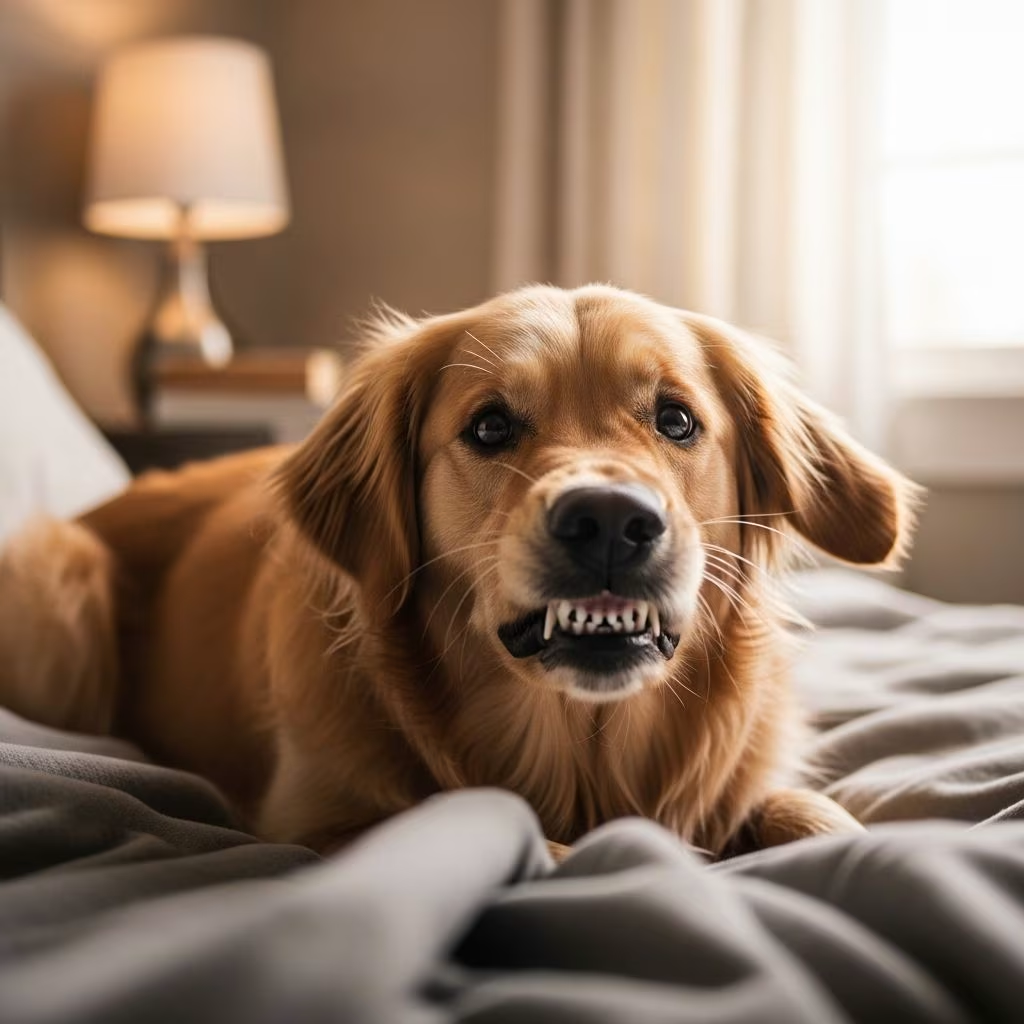
It’s a startling experience that can shake even the most confident dog owner: your peaceful pup suddenly growls, snaps, or lunges when you try to wake them from a nap. This ‘sleep aggression’ isn’t true aggression but a common phenomenon known as the sleep-startle reflex in dogs. Dogs enter deep sleep stages, including REM, much faster than humans, leaving them disoriented and vulnerable when abruptly disturbed. Their brain hasn’t caught up to recognize you as a safe family member, triggering an instinctive defense mechanism honed from wild ancestors who couldn’t afford a moment’s hesitation against predators.
This reflex is especially concerning in homes with children, elderly people, or anyone with mobility issues, where a simple pat on the head could lead to an accidental bite. The good news? It’s manageable with understanding, prevention, and positive training. This guide breaks down the science, potential underlying causes, safety strategies, and step-by-step conditioning methods to help your dog wake up calmly.
What Is Sleep-Startle Reflex in Dogs?
The sleep-startle reflex is an involuntary, hardwired survival response where a dog reacts defensively—growling, snapping, or biting—upon sudden awakening. In the wild, animals like wolves or feral dogs sleep with one ear open to danger; a rustle in the brush could mean a predator. Your domesticated dog retains this primal instinct. When jolted from deep sleep, their senses are dulled, and confusion reigns for 1-2 seconds. They perceive the touch or noise as a threat before their higher brain functions kick in to identify familiar scents and faces.
Dogs cycle into REM sleep (rapid eye movement, the dreaming phase) in about 20-30 minutes, compared to 90 minutes for humans. During this vulnerable state, a gentle nudge feels like an attack. It’s not personal malice; it’s biology. Studies on canine sleep patterns confirm dogs experience heightened arousal thresholds during REM, amplifying startle responses. Importantly, this isn’t learned aggression—it’s reflexive, and most dogs shake it off instantly once oriented, often looking apologetic.
Why Do Dogs React Aggressively When Woken Up?
Several factors contribute to this reaction beyond pure instinct. Understanding them helps differentiate normal reflexes from issues needing vet attention.
- Primal Instincts: Wild canids must react in milliseconds to survive. Domesticated dogs inherit this ‘better safe than sorry’ wiring.
- Disorientation: Deep sleep dulls cognition; they don’t immediately process ‘that’s my owner.’ Fight-or-flight surges first.
- Anxiety or Insecurity: Dogs with anxious temperaments or past trauma amplify responses due to generalized fear.
- Pain or Discomfort: Arthritis, injuries, or dental pain make touch painful, turning startle into defensive aggression.
- Age-Related Changes: Senior dogs with cognitive dysfunction syndrome (CDS) experience confusion similar to human dementia, worsening disorientation.
Not all dogs exhibit this; confident, well-socialized ones often wake calmly. Breeds with guarding instincts (e.g., shepherds) or those from high-stress backgrounds may be more prone.
Is It Aggression or Just a Reflex?
True aggression involves conscious intent, like resource guarding or territoriality, building over time with warnings (stiffening, staring). Sleep-startle is explosive but brief—no premeditation. Your dog isn’t ‘mean’; their amygdala (fear center) overrides the prefrontal cortex momentarily. Post-reaction, they may cower or lick lips in appeasement, signaling regret. If reactions persist when awake or escalate, it could indicate pain, neurological issues, or fear-based aggression—consult a vet.
Medical Reasons Your Dog Might Be Aggressive When Woken Suddenly
While reflex is common, rule out health issues first. Sudden behavior changes warrant a vet exam.
| Potential Medical Cause | Symptoms | Action |
|---|---|---|
| Pain (Arthritis, Injury) | Limping, reluctance to move, sensitivity to touch elsewhere | X-rays, pain meds |
| Cognitive Dysfunction (Seniors) | Disorientation daytime, house soiling, sleep changes | Vet for supplements/diets |
| Neurological Disorders | Seizures, circling, vacant stares | Full neuro workup |
| Hormonal Imbalances | Weight gain/loss, thirst changes | Blood tests |
| Infections/Illness | Fever, lethargy, appetite loss | Exam, labs |
Pain lowers tolerance; a 2023 veterinary review notes undiagnosed discomfort causes 20-30% of behavior shifts. Neurological conditions like epilepsy can mimic startle with nocturnal episodes. Vets use bloodwork, imaging, and behavior histories to diagnose.
How to Safely Wake a Dog That’s Sleeping
Prevention beats reaction. Follow these steps:
- Call First: Say their name loudly from 5-10 feet away. Give 10-20 seconds to stir.
- Approach Slowly: From the front, visible path. Avoid looming over or touching paws/head.
- Use Light Touches: If needed, tap shoulder gently after eye contact.
- Create Safe Sleep Zones: Crate, bed in quiet corner, away from high-traffic areas.
- Muzzle in Public: For unpredictable cases, especially around strangers/kids.
Never punish post-incident; it heightens fear. Consistency builds security.
Conditioning Your Dog to Wake Up Nicely
Desensitization training rewires responses positively. Start awake, progress slowly. Use high-value treats (chicken, cheese).
- Choose a Spot: Shoulder or flank—avoid head/feet.
- Awake Practice: Tap spot, say ‘wake up,’ treat immediately. 10 reps/day, 1 week.
- Dozing Phase: When lightly asleep, tap + cue + treat. Reward calm wakes.
- Deep Sleep: Test rarely; if snap, back up levels. Patience key—weeks/months.
- Generalize: Practice in varied spots; involve family.
Success rate high with consistency; tracks show 80% improvement in 4-6 weeks. Professional trainers help if needed.
Frequently Asked Questions (FAQs)
Is sleep-startle reflex dangerous?
Potentially, yes—bites can occur, especially with kids. Manage proactively to minimize risks.
Will my dog outgrow it?
Puppies often do with socialization; adults need training. Underlying issues won’t self-resolve.
When to see a vet?
If frequent, paired with other changes (appetite, mobility), or awake aggression.
Can all dogs be trained out of it?
Most yes; severe cases may need muzzles/lifelong management.
Is it breed-specific?
No, but protective breeds more prone due to genetics.
References
- How To Manage The Sleep Startle Reflex In Dogs — Tractive. 2023-05-15. https://tractive.com/blog/en/health/sleep-startle-reflex-in-dogs
- Why Is My Dog Aggressive When Woken Suddenly? — Kinship. 2024-02-10. https://www.kinship.com/dog-behavior/why-my-dog-aggressive-when-woken-suddenly
- A Guide to Understanding Dog Sleep Aggression — Furever Active. 2024-08-22. https://www.fureveractive.com/blogs/senior-dog-care/dog-sleep-aggression
- Why Is My Dog Suddenly Aggressive? A Vet Explains — PetLab Co. (Veterinary Review). 2023-11-07. https://thepetlabco.com/learn/dog/behavior/dog-suddenly-aggressive
- Is it normal for dogs to be aggressive in the morning? — DiaLaVet (Licensed Vet Q&A). 2024-01-20. https://www.dialavet.com/vet-answers/dogs-aggressive-morning-116593



