

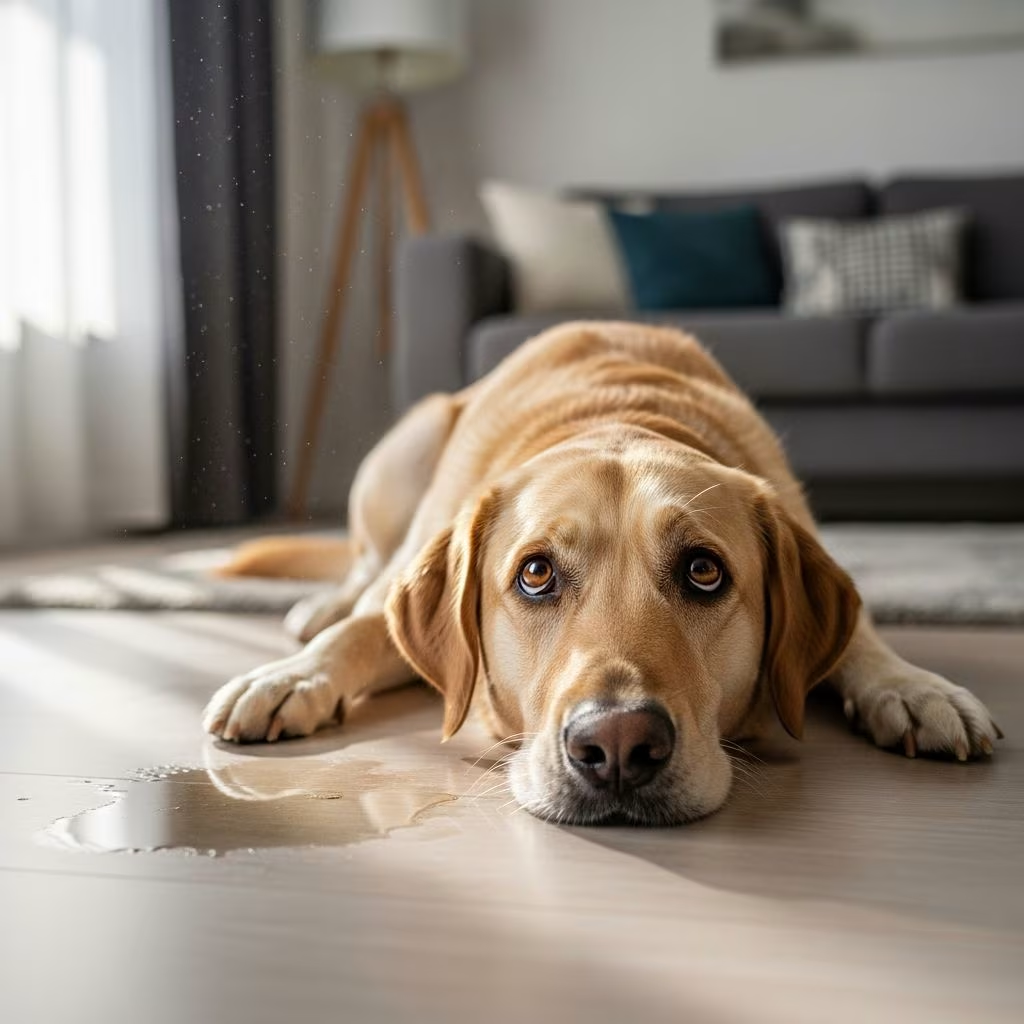
House soiling in adult dogs is a frustrating issue that many pet owners face, often unexpectedly disrupting a previously well-trained routine. Unlike puppies, who are still learning bladder control, adult dogs peeing indoors typically signals an underlying medical condition, behavioural change, or lapse in training consistency. This comprehensive guide examines the primary causes—from urinary tract infections to stress-induced marking—and provides actionable retraining strategies based on expert veterinary and behavioural insights. By addressing both immediate management and long-term prevention, you can help your dog regain reliable housetraining habits, fostering a cleaner, happier home environment.
Is It a Medical Issue?
The most critical first step when an adult dog suddenly starts peeing in the house is ruling out medical problems. Conditions like urinary tract infections (UTIs), bladder stones, diabetes, kidney disease, or incontinence can cause involuntary urination, making it impossible for even a well-trained dog to hold it. For instance, infections irritate the bladder, prompting frequent, small-volume peeing episodes indoors. Hormonal imbalances, such as those from spaying or age-related decline in sphincter muscle tone, are also common culprits in females. Medications, including steroids or diuretics, may increase urine production, overwhelming the dog’s control.
Symptoms beyond house soiling include straining, blood in urine, excessive thirst, or lethargy. A veterinary exam, including urinalysis, bloodwork, and possibly imaging, is essential. Early diagnosis prevents complications; for example, untreated UTIs can ascend to the kidneys. Once treated—often with antibiotics or dietary changes—housetraining typically resumes without further intervention. Always consult a vet before assuming behavioural causes, as masking medical issues prolongs the problem.
Understanding Behavioural Causes
If medical issues are ruled out, behavioural factors often explain persistent house soiling. Adult dogs from shelters, breeding facilities, or inconsistent homes may never have learned proper elimination rules. Dogs like Mollie, who spent years in cramped kennels forced to eliminate in their living space, develop ingrained habits resistant to change. These dogs lack inhibition, viewing indoor areas as acceptable potty spots.
Other triggers include incomplete housetraining understanding: a dog might use a doggy door reliably but fail to ‘hold it’ without immediate access. Schedule disruptions—from new jobs or family changes—can lead to accidents if potty breaks are missed. Stress from moves, new pets, or visitors prompts submissive or excitement urination, where dogs leak small amounts during greetings. Territorial marking, more common in unneutered males but possible in any dog, involves leg-lifting with pungent urine to claim space, often in response to scents from other animals.
Step-by-Step Retraining Plan
Rehousetraining an adult dog requires patience, consistency, and a structured approach mirroring puppy methods, adapted for their physical maturity. Expect progress in weeks with diligence, though dogs with chronic histories may need months. The core pillars are supervision, confinement, scheduled outings, and positive reinforcement.
1. Establish a Strict Schedule
Feed meals at set times (twice daily) and remove uneaten food after 15 minutes to predict elimination needs. Take your dog out every 1-2 hours initially, plus immediately after eating, sleeping, playing, or returning home. Use a leash—even in fenced yards—to guide to the designated potty spot and watch until they eliminate. Praise effusively and reward with high-value treats within 1-2 seconds of completion. Document successes to refine timing; most dogs settle into a predictable pattern.
2. Supervise and Confine Religiously
Prevent accidents by tethering your dog to you with a leash or confining to a crate, exercise pen, or dog-proofed room when unsupervised. Constant eyes-on observation catches pre-potty sniffing, circling, or whining—rush outside immediately. Crate training builds bladder tolerance; limit stays to 4-6 hours max, using for naps and short absences. Gradually expand ‘safe zones’ only after 2-4 weeks accident-free: start with kitchen confinement, then add adjacent rooms.
3. Clean Accidents Thoroughly
Enzymatic cleaners neutralize urine odours completely, preventing re-marking on scent cues humans can’t detect. Avoid ammonia-based products, which mimic urine smell. For repeated spots, block access temporarily or use plastic covers during retraining.
4. Reward Success and Ignore Setbacks
Positive reinforcement accelerates learning: jackpot treats for outdoor pottying teach the association. Never punish accidents—scolding instills fear, leading to hidden elimination. If caught mid-act, interrupt neutrally (clap or ‘ah-ah’) and escort outside without drama.
Sample Daily Schedule for Retraining:
| Time | Activity |
|---|---|
| 7:00 AM | Potty break, breakfast |
| 8:00 AM | Potty, short walk/play |
| 10:00 AM | Potty break |
| 12:00 PM | Potty, lunch |
| 2:00 PM | Potty break |
| 4:00 PM | Potty, exercise |
| 6:00 PM | Potty, dinner |
| 8:00 PM | Potty break |
| 10:00 PM | Final potty, bedtime crate |
Addressing Specific Challenges
- Apartment Living: Carry small dogs out for urgent needs; for larger breeds, increase trip frequency to avoid desperation. Train hallways/elevators as ‘extensions of home’ with play sessions post-potty.
- Multi-Dog Homes: Model good behaviour with a trained dog; separate during retraining if bullying stresses the trainee.
- Senior Dogs: Factor in reduced bladder capacity—more frequent breaks and vet checks for arthritis limiting mobility.
- Marking vs. Full Urination: Distinguish by volume; neutering reduces marking 50-60% of cases, paired with odour removal.
Common Mistakes to Avoid
Free access before reliability leads to entrenched bad habits. Insufficient supervision during ‘busy’ tasks (cooking, laundry) allows sneaky accidents—crate instead. Overlooking rewards delays association; delayed treats indoors don’t link to outdoor action. Rushing freedom expansion causes regressions—backtrack immediately. Punitive methods like rubbing noses in messes worsen fear-based soiling.
When to Seek Professional Help
If accidents persist after 4-6 weeks of strict retraining, or involve aggression/fear, consult a certified trainer or veterinary behaviourist. Separation anxiety or cognitive dysfunction in seniors may require medication/behavioural plans. Track incidents (location, time, volume) for diagnostics.
Frequently Asked Questions (FAQs)
Q: How long does retraining take?
A: 2-4 weeks for basics with diligence; 3-12 months for chronic cases. Consistency is key.
Q: Can I use pee pads?
A: Avoid during adult retraining—they confuse ‘outdoors only’ rules. Reserve for medical necessities.
Q: Why does my dog pee during greetings?
A: Excitement/submissive urination; ignore entrances, teach calm sits for attention.
Q: Is crating cruel for adults?
A: No, when used appropriately (size for comfort, regular breaks)—it prevents mistakes and builds control.
Q: What if my dog was fine before?
A: Rule out medical changes first; stress or routine shifts often trigger regressions.
References
- Remedial House Training for Dogs — Whole Dog Journal. 2023. https://www.whole-dog-journal.com/training/remedial-house-training-for-adult-dogs/
- All the Worst Puppy Problems: Housetraining Hang-Ups — IAABC Foundation Journal. 2023. https://journal.iaabcfoundation.org/housetraining-hang-ups/
- House Training Mistakes Dog Owners Make — Leerburg. 2022. https://leerburg.com/housetrainingproblems.htm
- Housetraining an Adult Dog — Dog Spring Training. 2024. https://www.dogspringtraining.com/tips/housetraining-adult-dog/
- Re-Housetraining Your Adult Dog — PAWS. 2023. https://www.paws.org/resources/re-housetraining-your-adult-dog/
- Housetraining for Adult Dogs — Wisconsin Humane Society. 2024. https://www.wihumane.org/housetraining-adult-dogs



