

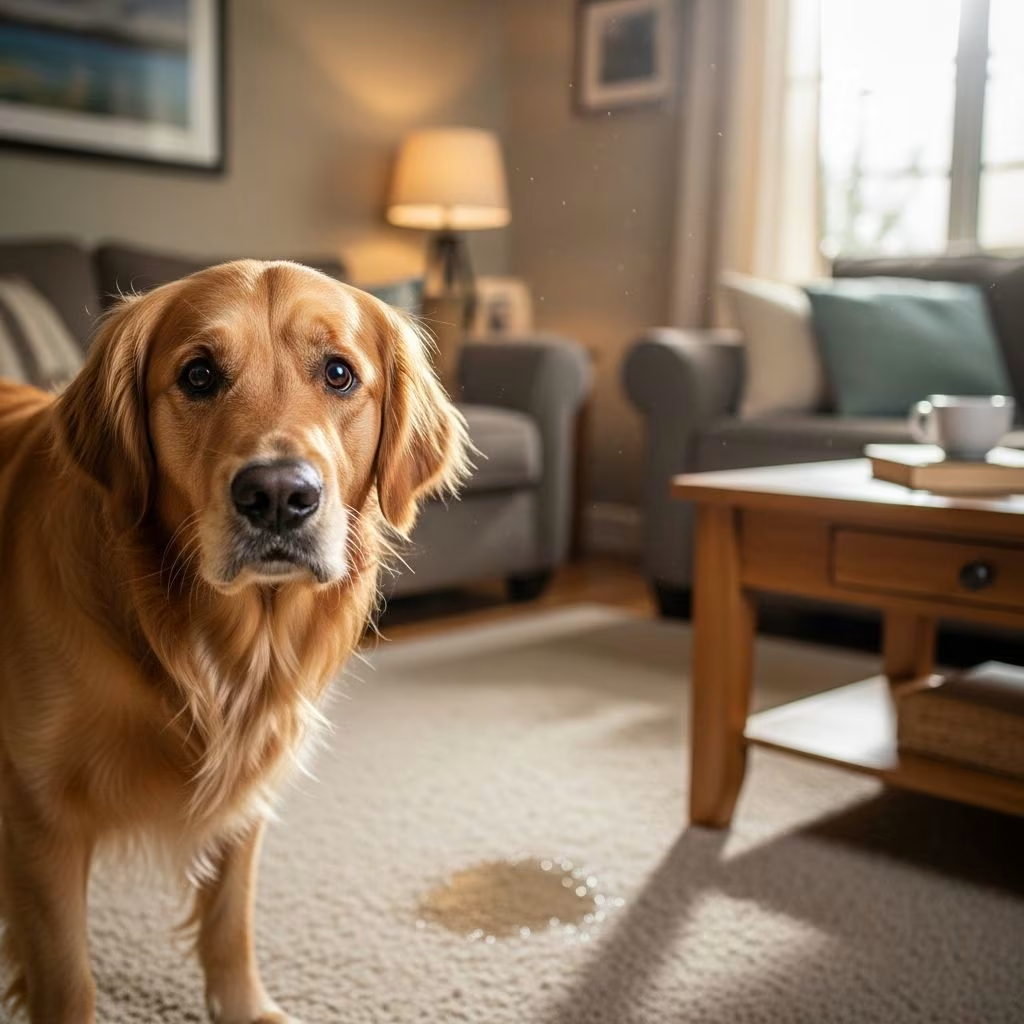
Your once-reliably house-trained adult dog is suddenly leaving puddles on the floor. This frustrating issue affects many pet owners, but it’s rarely random. House soiling in adults often stems from medical conditions, behavioral triggers, environmental changes, or age-related decline. Identifying the root cause is key to resolution—rushing to punish only worsens it. This guide covers all potential reasons and step-by-step fixes, drawing from veterinary insights to help you reclaim a pee-free home.
Medical Reasons for House Peeing in Adult Dogs
The most urgent cause of sudden accidents is an underlying health problem. Dogs can’t communicate discomfort verbally, so they signal through behavior like frequent small pees or leaks. Always start with a vet visit to rule these out.
- Urinary Tract Infections (UTIs): Bacteria inflame the bladder, causing urgent, frequent urination—even indoors. Older females and breeds like Pugs are prone due to anatomy. Symptoms: dribbling, straining, blood in urine.
- Bladder or Kidney Stones: These block urine flow, leading to pain and incomplete emptying. Dogs may pee small amounts repeatedly.
- Diabetes or Kidney Disease: Excess thirst and urination (polyuria) overwhelm bladder control. Lethargy or weight loss often accompanies.
- Hormonal Incontinence: Spayed females lose estrogen support for sphincter muscles, causing leaks during rest. Intact males may mark more.
Action Steps: Note symptoms like increased drinking, odd urine smell/color, or nausea before the vet appointment. Antibiotics treat UTIs; diets dissolve stones; meds manage diabetes. Early intervention prevents kidney damage.
Behavioral Causes: Stress, Anxiety, and Marking
Once medical issues are cleared, look to behavior. Adult dogs revert to old habits under stress, not spite. Punishment reinforces fear, increasing accidents.
Stress and Anxiety Triggers
Life changes unsettle dogs: new babies, moves, fireworks, or absent owners. Anxious dogs hide to pee, avoiding triggers. Confinement anxiety shows as crate-soiling.
- Solutions: Create calm zones with pheromone diffusers. Desensitize via gradual exposure with treats. Consult trainers for severe cases; anti-anxiety meds may help.
Territory Marking
Unlike full bladder voids, marking involves small squirts on vertical surfaces (walls, furniture). Intact males lift legs most, but females and neutered dogs do too amid new scents/pets.
- Solutions: Neuter/spay reduces hormones (consult vet). Enzymatic cleaners erase scents. Block access to marked spots during retraining.
Submissive or Excitement Urination
Young adults or timid dogs leak when excited (greetings) or scared (scolding). It’s involuntary, tied to emotions.
- Solutions: Ignore greetings calmly; build confidence via training. No yelling— it exacerbates.
- Solutions: Provide sheltered spots, raincoats, or indoor pads temporarily. Consistent schedules prevent desperation.
- Supervise Constantly: Leash-tether indoors; no free roam.
- Frequent Potty Breaks: Every 2-4 hours, post-meals/sleep/play. Praise wildly for outdoor success.
- Clean Thoroughly: Enzymatic cleaners remove allure.
- Crate Train: Dogs avoid soiling dens; use for short absences.
- Track Progress: Log accidents to spot patterns.
- Annual vet checkups catch issues early.
- Maintain routines amid changes.
- Enrich with toys/training to cut anxiety.
- Neuter before maturity to curb marking.
- Why is my dog peeing in the house all of a sudden? — Bonnie’s. Accessed 2026. https://www.bonnies.com.au/post/why-is-my-dog-peeing-in-the-house-all-of-a-sudden
- Senior Dog Urinating in the House — Schertz Animal Hospital. Accessed 2026. https://schertzanimalhospital.com/blog/senior-dog-urinating-in-the-house/
- Why Adult Dogs Have Accidents, Plus What To Do About It — Rover. Accessed 2026. https://www.rover.com/blog/why-dogs-pee-in-house/
- Dog Behavior Problems – House Soiling — VCA Animal Hospitals. Accessed 2026. https://vcahospitals.com/know-your-pet/dog-behavior-problems-house-soiling
- Re-Housetraining Your Adult Dog — PAWS. Accessed 2026. https://www.paws.org/resources/re-housetraining-your-adult-dog/
- Dog Marking and Peeing in the House: Causes and How to Stop It — Best Friends Animal Society. Accessed 2026. https://bestfriends.org/pet-care-resources/dog-marking-and-peeing-house-causes-and-how-stop-it
Environmental Factors Making Dogs Pee Inside
Dogs adapt poorly to changes. Bad weather (rain, snow) deters outdoor potty; they hold until leaking indoors. Schedule shifts or less access compound it.
Senior Dogs: Age-Related Incontinence and Accidents
By age 8+, dogs face incontinence from weak muscles, cognitive dysfunction (forgetting training), arthritis (can’t reach doors), or sensory loss (miss door cues). Prostate issues hit older males.
| Issue | Symptoms | Solutions |
|---|---|---|
| Incontinence | Dribbles while sleeping | Medicated estrogen/propalin; diapers |
| Cognitive Decline | Forgets house rules | Diets/supplements; routines |
| Mobility Problems | Slow to door | Ramps, doggy doors, frequent breaks |
Vet checks for arthritis pain meds or special diets. Scheduled potty walks (every 4 hours) work wonders.
Step-by-Step Guide to Re-Housetrain Your Adult Dog
Rebuild habits systematically, regardless of cause. Consistency is crucial—treat like a puppy.
Expect 2-4 weeks for results. If no improvement, revisit vet/behaviorist.
Prevention Tips for a Lifetime of Clean Habits
Frequently Asked Questions (FAQs)
Why is my male adult dog suddenly peeing in the house?
Males often mark territory, especially if intact. Stress, UTIs, or prostate issues factor in. Neuter, clean scents, vet-check.
How do I stop my senior dog from peeing inside?
Rule out UTIs/diabetes. Use diapers, ramps, frequent outs. Meds help incontinence.
Is it too late to housetrain an adult dog with accidents?
No—adults learn faster than pups. Supervise, schedule, reward.
What if vet says it’s behavioral?
Trainer desensitizes fears. Pheromones or meds for anxiety.
Can diet cause house peeing?
Yes—high-fiber or allergies irritate bowels/bladder. Vet-recommended food helps.



