

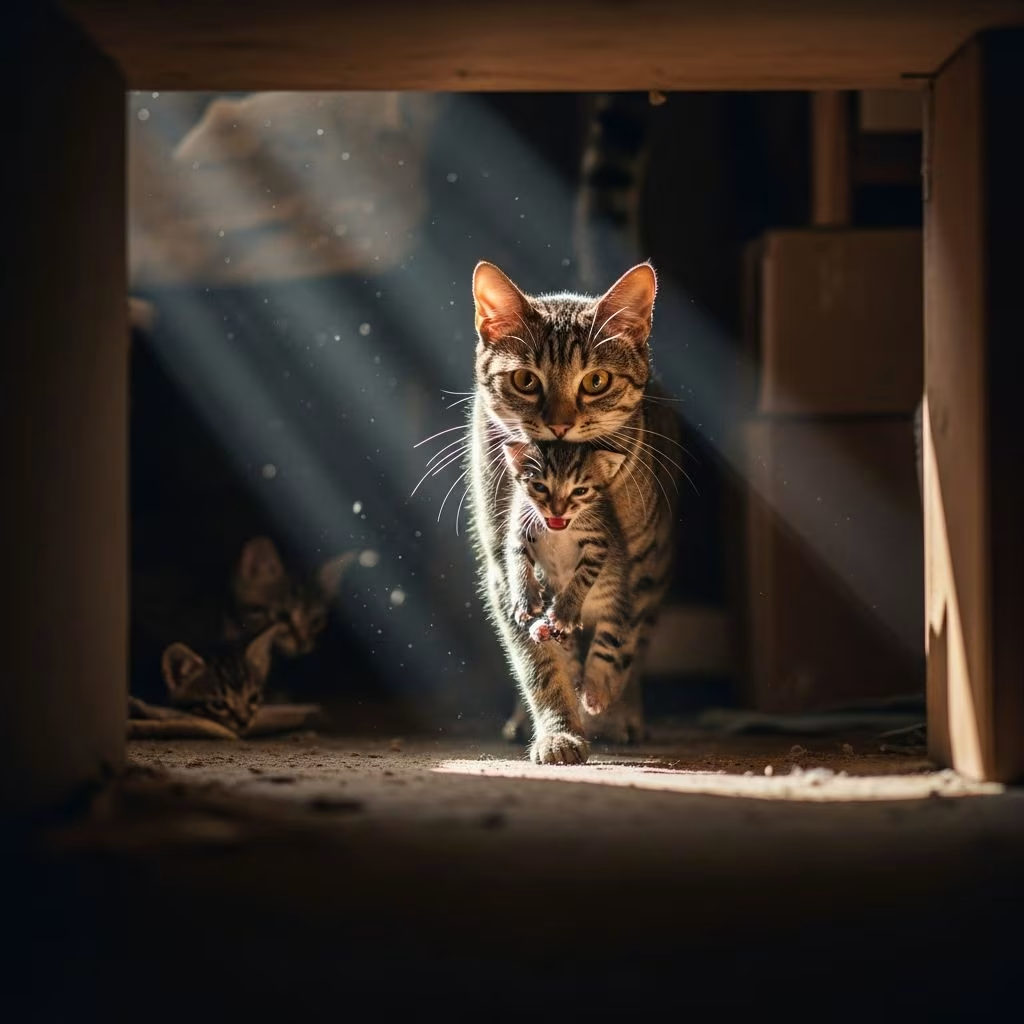
Mother cats exhibit a strong instinct to move their newborns to new locations shortly after birth, a behavior rooted in survival mechanisms passed down from their wild ancestors. This relocation ensures the litter’s protection from threats and optimizes conditions for growth. Understanding these drives helps owners provide the right environment without interfering unnecessarily.
The Evolutionary Roots of Kitten Relocation
In the wild, feline mothers face constant predators, harsh weather, and resource scarcity, compelling them to frequently shift nests. Domestic cats retain this trait, even in safe homes, as a precautionary measure. Research from veterinary sources confirms this as a normal, adaptive response rather than a sign of distress.
Queens assess their surroundings through keen senses, detecting subtle changes that signal risk. This vigilance peaks in the first two weeks postpartum when kittens are most vulnerable.
Primary Triggers Prompting Nest Changes
Several environmental and instinctual factors drive a mother cat to transport her litter, often one kitten at a time by gripping the scruff.
- Perceived Threats: A sudden noise, unfamiliar scent, or intruding animal like a dog prompts immediate evacuation. Mothers prioritize sites hidden from predators.
- Temperature Extremes: Kittens cannot regulate body heat initially, so moms seek shaded, cool spots in heat or wind-sheltered warmth in cold.
- Accumulated Filth: Cleanliness is paramount; soiled bedding attracts predators via odor, leading relocations to fresher areas.
- Excessive Disturbances: Loud sounds, bright lights, or frequent human traffic overwhelm the queen, pushing her toward quieter seclusion.
- Superior Alternatives: Discovery of a cozier, safer haven—like a box or sheltered nook—outweighs the current spot.
- Proximity to Sustenance: Feral moms reposition litters nearer reliable food sources to minimize separation time.
When Only One Kitten Gets Moved
Isolating a single kitten often indicates maternal discernment. Possible reasons include:
- Suspected illness in that kitten, preventing contagion to siblings.
- Space constraints in a cramped nest as kittens grow.
- Extra vulnerability, such as small size, warranting specialized protection.
Veterinarians advise monitoring for distress; if the kitten nurses well and appears healthy, intervention is rarely needed.
Typical Relocation Patterns in Cats
Mothers may shift litters multiple times within days, especially ferals in risky urban settings. Distances stay short—within the same yard or home—to avoid unfamiliar territory. Indoor cats might choose closets, laundry areas, or under furniture.
| Setting | Common New Sites | Frequency |
|---|---|---|
| Feral/Outdoor | Bushes, discarded items, adjacent yards | Multiple times weekly |
| Indoor Domestic | Boxes, closets, soft piles | 1-3 times initially |
| Trusting with Humans | Owner’s home, heated shelters | As trust builds |
This table summarizes observed patterns from feline care observations.
Strategies to Minimize Unwanted Moves
While respecting instincts, owners can create an ideal nest to reduce relocations. Vet-recommended steps include:
- Design a Quiet Haven: Select a dimly lit, low-traffic room with soft bedding in a sturdy box. Line with fleece for easy cleaning.
- Maintain Impeccable Hygiene: Daily spot-clean waste, launder bedding, and refresh food/water away from the nest to deter scents.
- Regulate Climate: Keep ambient temperature at 75-80°F (24-27°C) using safe heat sources if needed.
- Limit Interactions: Avoid handling newborns; observe from afar to prevent stress.
- Health Vigilance: Check for illness signs like lethargy or poor nursing; consult vets promptly.
These adjustments often stabilize the nest, though persistent moving signals unresolved issues.
Feral vs. Domestic: Key Differences
Feral mothers face amplified risks, relocating more often due to predators, weather, and human activity. Domestic queens, in contrast, respond to subtler cues like household pets or vacuums. Building trust through consistent feeding can direct ferals to safer human-provided spots.
Health Implications and Warning Signs
Relocation itself poses minimal risk if the mother is healthy, but watch for:
- Abandoned kittens (rare; usually foraging moms return).
- Maternal rejection or aggression.
- Kitten weight loss, crying, or chilling.
Immediate vet evaluation is crucial for fading kitten syndrome or infections.
FAQs on Mother Cat Kitten Relocation
Is it normal for a mom cat to move kittens multiple times?
Yes, especially early on; it’s an anti-predator instinct. Frequency decreases as kittens gain mobility.
Should I stop my cat from moving her litter?
Generally no—provide better options instead. Forcing returns stresses her.
What if she moves them to a dangerous spot like a litter box?
Gently redirect to a safe nest without handling kittens directly. Clean the area thoroughly.
How far will a mother cat carry her kittens?
Typically short distances within her territory to maintain familiarity and safety.
Why might she abandon one kitten during moves?
It could signal weakness or illness; monitor closely and seek vet advice.
Supporting Maternal Success Long-Term
Beyond initial weeks, prepare for weaning around 4-8 weeks. Spaying post-lactation prevents future litters, reducing stress. Community resources like TNR programs aid ferals.
By honoring these behaviors, owners foster stronger bonds and healthier feline families. Patience and observation yield the best outcomes.
References
- Six reasons why mama cats move their kittens — Tel-Aviv’s Feral Cats Blog. 2023-01-13. https://telavivsferalcats.home.blog/2023/01/13/six-reasons-why-mama-cats-move-her-kittens/
- Why would a mother cat move just one of her kittens — Dial A Vet. N/A. https://www.dialavet.com/vet-answers/mother-cat-moves-one-kitten-208676
- How to Stop a Cat From Moving Her Kittens: 5 Vet-Approved Tips — Catster. N/A. https://www.catster.com/cat-health-care/stop-a-cat-from-moving-kittens/
- Momma cat keeps moving 5 day old kittens to litter tray — TheCatSite Forum. N/A. https://thecatsite.com/threads/momma-cat-keeps-moving-5-day-old-kittens-to-litter-tray.451921/



