

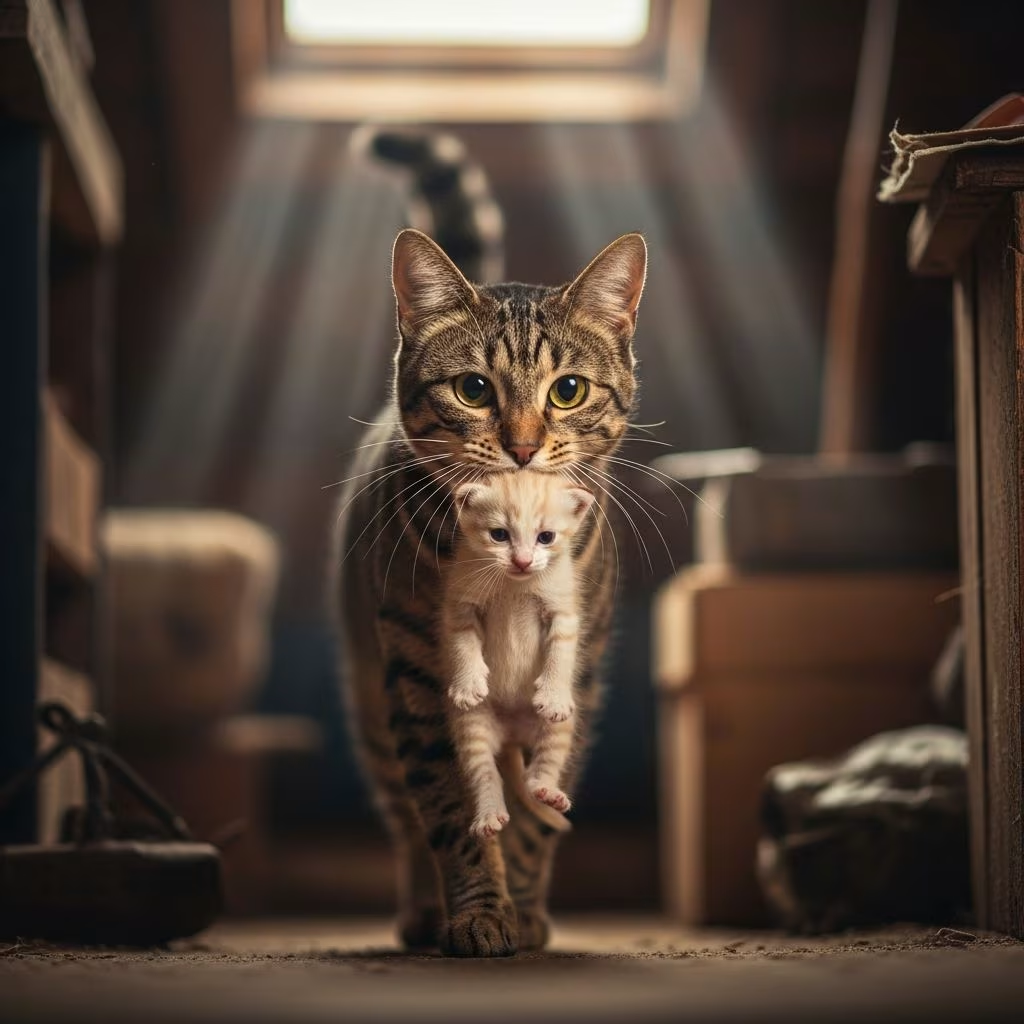
Mother cats, or queens, exhibit a compelling behavior by frequently transporting their newborns to new locations shortly after birth. This action stems from deep-seated survival mechanisms honed over generations, ensuring the litter’s protection in potentially hazardous environments. Even in safe homes, domestic cats display this trait, responding to subtle cues that humans might overlook.
The Evolutionary Roots of Kitten Moving
In the wild, relocating kittens serves as a critical defense strategy against predators. Queens instinctively shift their litters to evade detection, as the scent from birth sites can attract dangers like foxes or larger felines. This behavior persists in pet cats, where the mother perceives household elements as threats, prompting her to seek more secure dens.
Domestic environments mimic natural challenges; a queen might interpret family foot traffic or pet interactions as risks, mirroring wild predator avoidance. This primal drive prioritizes offspring survival, often overriding human-provided comforts if they conflict with her instincts.
Environmental Factors Prompting Relocation
Several household conditions can trigger a mother cat to move her kittens, each tied to her innate need for an optimal nursery.
- Excessive Noise and Activity: Loud appliances, conversations, or children’s play disrupt the quiet essential for nursing. Cats prefer secluded spots, relocating to muffled areas like closets or under furniture.
- Inadequate Temperature Control: Drafts, overheating, or chill prompt moves to thermally balanced zones. Newborns cannot regulate body heat, so mothers seek warmth without extremes.
- Overstimulation from Light: Bright rooms overwhelm sensitive eyes; dimmer, shadowed locations become preferred for restful development.
- Cleanliness Concerns: Accumulated waste or strong cleaning scents signal unsanitary conditions, leading queens to fresher sites despite human cleaning efforts.
- Intrusions by Humans or Animals: Frequent handling or curious dogs/cats heighten anxiety, causing relocation to private havens.
Instinctual and Physiological Drivers
Beyond environment, internal factors influence this behavior. Postpartum hormones amplify protectiveness, urging frequent checks and moves. If a kitten appears weak or ill, the mother may isolate it to prevent disease spread, a selective survival tactic.
As kittens grow, space constraints in initial nests necessitate larger areas. Older litters might be shifted nearer food sources, preparing for weaning and hunting lessons in a domesticated context.
| Trigger Type | Common Examples | Queen’s Response |
|---|---|---|
| Environmental | Noise, light, temperature | Seeks quiet, dim, stable spots |
| Social | Human/pets interference | Moves to isolated areas |
| Health | Sick kitten, dirt | Isolates or cleans via relocation |
| Growth | Outgrowing nest | Shifts to bigger space |
Distinguishing Normal from Problematic Behavior
Relocation within the first 1-2 weeks post-birth is standard, allowing the queen to refine her nest. However, repeated moves beyond this period signal unresolved issues like chronic stress or health problems.
Monitor for exhaustion in the mother, poor kitten weight gain, or abandonment signs. Persistent activity may indicate nutritional deficits or infections, warranting veterinary evaluation.
Supporting Your Cat During Nesting
Pet owners can facilitate by creating ideal conditions proactively.
- Designate a quiet, dark room with a large box lined in soft, unscented bedding.
- Maintain 75-80°F (24-27°C) ambient temperature.
- Limit visits to feeding times, handling minimally with clean hands.
- Provide ample food/water nearby to reduce absences.
- Avoid strong cleaners; use mild, odorless products.
If relocation occurs, gently block unsafe spots and tempt with an improved alternative nest, placed near the original to ease transition.
Debunking Common Misconceptions
Myths abound regarding this behavior.
- Misconception: Moving equals rejection. False; it’s protective, not abandonment. True rejection shows avoidance or aggression.
- Misconception: Only first-time moms do this. Experienced queens relocate too if unsatisfied.
- Misconception: Human scent causes abandonment. Cats recognize familiar scents; overhandling stresses more than smell.
Feral vs. Domestic Cats: Key Differences
Feral mothers face amplified risks, moving litters toward food or shelter like heated boxes. Distances stay short within territory bounds. Domestic cats, despite safety, exhibit similar patterns due to retained instincts, often to closets mimicking dens.
Frequency peaks early; ferals may shift multiple times weekly amid threats, while house cats settle faster with adjustments.
Health Implications for Kittens and Mother
Frequent moves risk injury during transport or hypothermia if separated. Kittens need stable nursing for growth; disruptions hinder this. Mothers tire, potentially neglecting care.
Vet checks ensure no mastitis or kitten deformities prompt isolation. Early intervention supports thriving litters.
Practical Tips for Multi-Pet Homes
Introduce litter slowly to other animals under supervision. Use baby gates for proximity without intrusion. Pheromone diffusers calm anxious queens.
Long-Term Development After Relocation Phase
By 3-4 weeks, kittens explore, signaling nesting phase end. Socialization begins; continued monitoring prevents weaning issues.
Frequently Asked Questions
Why does my cat move kittens at night?
Nighttime quiet amplifies instincts; she seeks undisturbed privacy.
How many times will a mother cat relocate her litter?
Typically 1-3 times initially; more suggests intervention needed.
Should I stop my cat from moving kittens?
Don’t force; improve conditions or vet consult if excessive.
What if she moves them outside?
Redirect indoors gently; block access, provide better indoor option.
Is it safe if she moves one kitten repeatedly?
Check for illness; isolate may protect others.
References
- Why Your Cat Keeps Moving Her Kittens Explained — Alibaba Cat Lovers. 2023. https://catlovers.alibaba.com/question/why-does-my-cat-keep-moving-her-kittens
- Six Reasons Why Mama Cats Move Their Kittens — Tel-Aviv’s Feral Cats Blog. 2023-01-13. https://telavivsferalcats.home.blog/2023/01/13/six-reasons-why-mama-cats-move-their-kittens/
- Why Do Cats Move Their Kittens? 5 Reasons — Hepper Articles. N/A. https://articles.hepper.com/why-do-cats-move-their-kittens/
- How to Stop a Cat From Moving Kittens: Vet-Approved Tips — Catster. N/A. https://www.catster.com/cat-health-care/stop-a-cat-from-moving-kittens/
- Momma Cat Keeps Moving 5-Day-Old Kittens — TheCatSite Forum. N/A. https://thecatsite.com/threads/momma-cat-keeps-moving-5-day-old-kittens-to-litter-tray.451921/



