

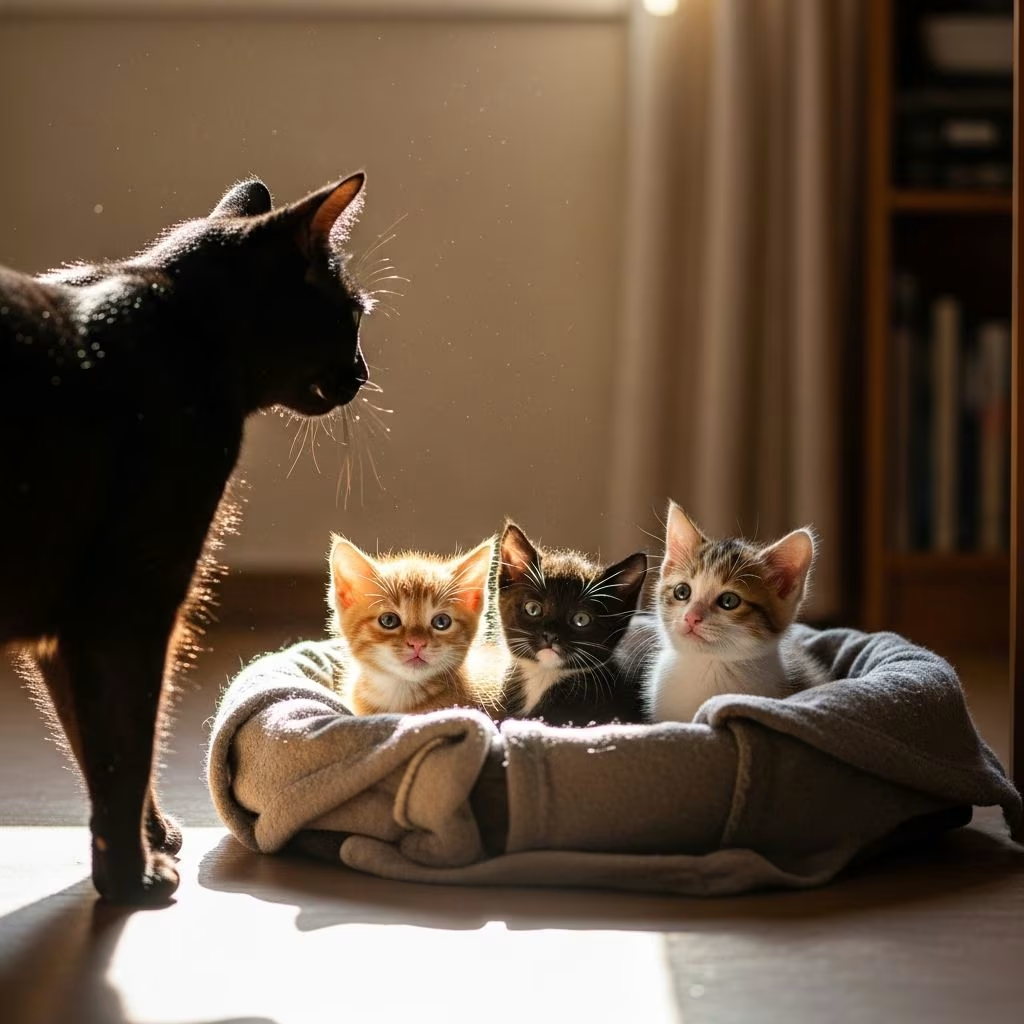
Mother cats, or queens, exhibit complex behaviors around their litters that can alarm new owners. Understanding these patterns helps differentiate routine activities from serious concerns requiring action.
Instinctual Reasons for Brief Absences
In the wild, queens must periodically depart the nest to forage, ensuring they produce enough milk for their offspring. This natural drive persists in domestic settings, where a mother might step away for minutes to eat, drink, or eliminate.
During the first days post-birth, absences typically last under 10-15 minutes. The queen returns promptly to nurse and groom, maintaining warmth and hygiene. Kittens under two weeks rely entirely on her body heat, as they cannot yet thermoregulate effectively.
- Short trips for sustenance prevent maternal malnutrition.
- Grooming sessions upon return stimulate kitten digestion and cleanliness.
- Frequent nursing every 1-2 hours supports rapid growth.
Developmental Stages and Changing Nest Habits
As kittens age, maternal vigilance evolves. Newborns demand constant proximity, but by week three, exploratory behaviors emerge, allowing longer maternal forays.
| Kitten Age | Typical Maternal Behavior | Absence Duration |
|---|---|---|
| 0-2 weeks | Constant nursing and warming | Minutes |
| 3-4 weeks | Encourages movement, introduces solids | 30 minutes to 1 hour |
| 5-8 weeks | Weaning, play teaching, litter training | Hours, with check-ins |
| 8+ weeks | Independence promotion | Full days apart |
By five weeks, kittens self-regulate temperature, reducing hypothermia risks during separations. Mothers begin weaning around four weeks, supplementing milk with soft foods, which coincides with increased mobility and play.
Signs of Potential Abandonment
Prolonged absences—over two hours in newborns—or disinterest in returning signal trouble. Watch for kittens crying persistently, failing to gain weight, or appearing chilled.
Queens may ignore litters if overwhelmed, leading to rejection. Unhygienic nests, unconsumed placentas, or aggressive avoidance of the young are red flags.
Health Issues in the Queen
Illnesses like mastitis (inflamed mammary glands) or metritis (uterine infection) cause pain, deterring nursing. Feverish, lethargic mothers prioritize self-preservation.
- Swollen, red teats indicate mastitis.
- Foul discharge post-birth suggests metritis.
- Dehydration from inadequate nutrition weakens resolve.
Problems with Individual Kittens
Queens instinctively reject weaklings to conserve resources for viable offspring. Fading kitten syndrome—marked by lethargy, poor appetite, and diarrhea—affects runts, prompting maternal withdrawal.
Deformities, parasites, or infections make some kittens unviable. Smaller size, weak cries, or isolation from littermates are observable cues.
Human Influences on Maternal Behavior
Overzealous intervention disrupts bonding. Frequent handling in the first two weeks stresses queens, mimicking predator threats and triggering flight.
Insufficient nutrition exacerbates issues; a queen needs 2-3 times her normal caloric intake during lactation. Starvation prompts abandonment to avoid futile efforts.
- Limit visitors to reduce stress.
- Provide high-protein kitten food.
- Avoid touching newborns unless medically necessary.
Supporting the Nursing Queen
Create a quiet, warm nesting area with clean bedding. Multiple litter boxes and fresh water stations minimize absences.
Monitor weights daily: newborns should gain 10-15 grams per day. Supplement feeding only under veterinary guidance to avoid digestive upset.
Recognizing Maternal Aggression
Hormonal shifts provoke fierce protection. Hissing or swatting at humans is normal; respect boundaries to prevent escalated rejection.
Low-traffic zones enhance security, allowing focus on rearing without perceived dangers.
Intervention Strategies When Needed
If abandonment occurs, warm kittens gradually to 100°F (37.8°C) before feeding. Use kitten milk replacer (KMR) via bottle; avoid cow’s milk.
Consult vets immediately for diagnostics. Fostering orphan litters requires round-the-clock care, including stimulation for elimination until three weeks.
For feral finds, observe 2-4 hours before intervening—mothers often relocate litters instinctively.
Weaning and Long-Term Separation
Weaning spans 4-12 weeks, transitioning to solid foods. Post-weaning, queens resume independence, though social bonds persist.
Optimal adoption at 8-12 weeks yields well-socialized cats. Earlier separation risks behavioral issues like poor litter habits.
FAQ
How long is too long for a mother cat to leave her kittens?
For newborns, over 1-2 hours warrants concern. Older kittens tolerate longer, but monitor thriving.
Should I touch newborn kittens?
Minimize contact first two weeks; human scent rarely causes rejection, but stress does.
What if only one kitten is abandoned?
Isolate and treat the weak one; it may have illness transmissible to others.
Do mother cats mourn separated kittens?
They adapt quickly post-weaning, focusing on self-care.
When to call a vet?
Persistent crying, weight loss, or maternal illness—act fast for survival.
Preventive Measures for Future Litters
Spay before breeding unless planned. Vaccinate and deworm queens. Provide enriched environments mimicking safety.
Education on feline reproduction empowers owners, reducing unnecessary panics and improving outcomes.
References
- My Cat Keeps Walking Away From Her Kittens Is It Normal? — Catster. 2023. https://www.catster.com/cat-health-care/mother-cat-leaves-kittens/
- How Mother Cats Take Care of Kittens — PetPlace. 2023. https://www.petplace.com/article/cats/pet-behavior-training/how-mother-cats-take-care-of-kittens
- FINDING MOTHERLESS KITTENS — Contra Costa County. 2018. https://www.contracosta.ca.gov/DocumentCenter/View/41245/FINDING-MOTHERLESS-KITTENS



