

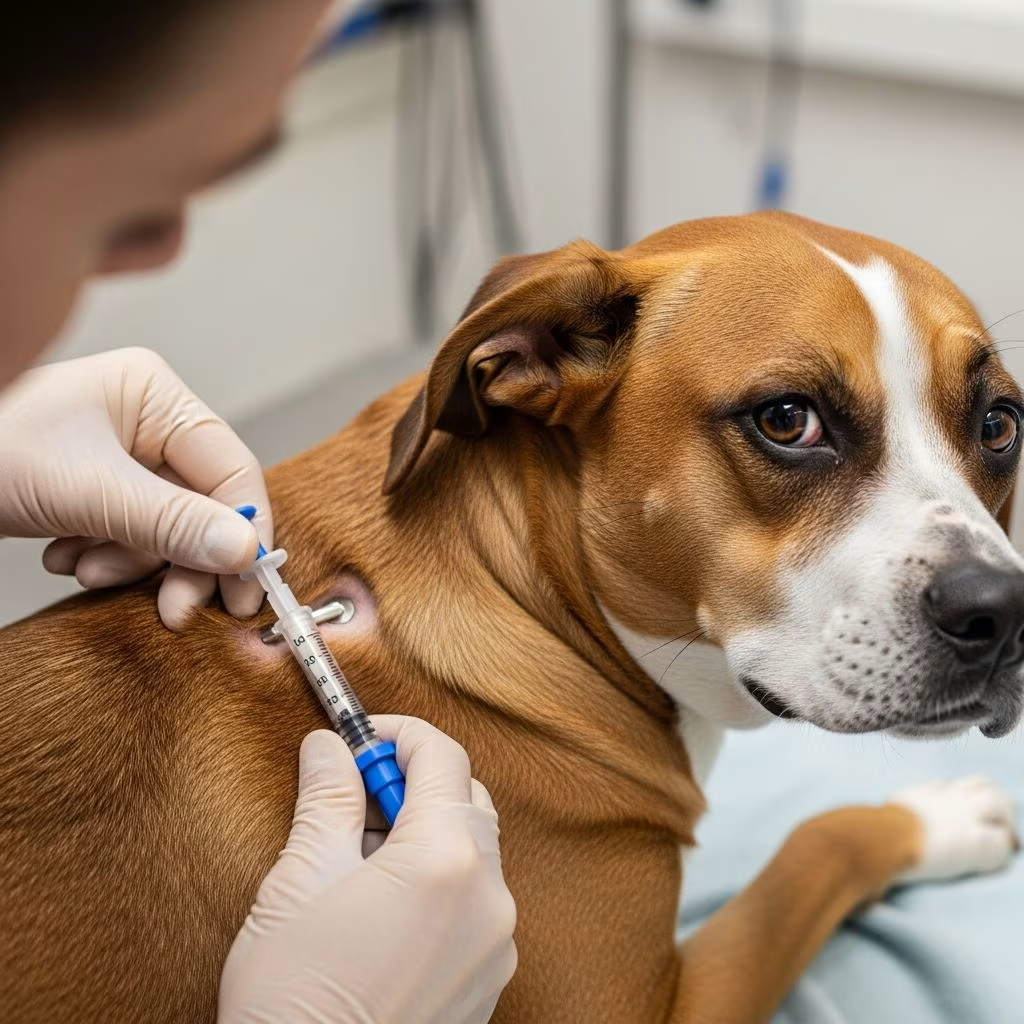
Microchipping provides a permanent, reliable form of identification for dogs, dramatically increasing the chances of reuniting lost pets with their owners. This simple procedure embeds a tiny rice-sized chip under the skin, containing a unique code readable by scanners at shelters, vets, and animal control facilities.
The Technology Behind Dog Microchips
Dog microchips are passive RFID devices, about the size of a grain of rice, encased in biocompatible glass. They contain no battery or power source, activating only when scanned by a handheld reader emitting low-frequency radio waves. The chip then transmits its 15-digit alphanumeric code, which links to owner contact details in a national or international registry.
These devices operate at standard frequencies like 125 kHz or 134.2 kHz, compatible with universal scanners increasingly used worldwide. Implantation occurs via a large-gauge needle between the shoulder blades, a quick process comparable to a vaccination. Once registered, updating contact information ensures lifelong utility.
Boosting Recovery Rates for Lost Dogs
One of the primary advantages is enhancing recovery odds for wandering dogs. Statistics show microchipped pets are reunited with owners up to 20 times more often than those relying solely on collars and tags. Shelters routinely scan incoming animals, identifying chipped dogs swiftly and contacting registered owners.
In busy urban environments or rural areas where dogs escape fences, collars can slip off or tags fade. Microchips remain securely implanted, impervious to wear. Even adventure-seeking hounds that bolt during walks or storms benefit, as finders transport them to facilities equipped with scanners.
Proving Ownership in Theft or Disputes
Microchips serve as definitive proof of ownership, crucial in theft cases or custody disputes. Thieves often remove collars, but cannot easily detect or excise a subcutaneous chip. Scanned at intake, the chip reveals the rightful owner, deterring black-market sales and aiding law enforcement recovery.
During neighbor disagreements over stray dogs or shelter adoptions, the unique ID code confirms legitimacy. Courts and authorities recognize microchip data from reputable registries as valid evidence, streamlining resolutions without reliance on subjective testimonies.
Essential for Travel and Multi-State Moves
For dogs accompanying families on vacations or relocations, microchipping meets airline and international travel requirements. Many countries mandate chips for entry, verifying identity and health records. Domestic flights increasingly recommend them for baggage-checked pets.
Global registries like PetLink or AKC Reunite synchronize data across borders, ensuring accessibility. Whether crossing state lines or oceans, a scanned chip connects finders to updated owner details, preventing permanent separation during disruptions.
Integration with Veterinary and Emergency Care
Vets scan every patient upon arrival, accessing critical medical history linked to the chip. This includes vaccination status, allergies, and chronic conditions, enabling faster, informed treatment in emergencies. Some registries store emergency contacts separate from primary owners.
In disasters or accidents where dogs are separated unconscious, this feature proves invaluable. Fire departments and rescue teams prioritize scanning, facilitating reunions amid chaos.
Understanding the Procedure: What to Expect
Microchipping is performed during a routine vet visit, often alongside spay/neuter or vaccinations to minimize stress. The area is cleaned, and the chip inserted with a specialized applicator. Most dogs show no reaction beyond a brief pinch; puppies tolerate it well under 16 weeks.
No anesthesia required, and recovery is immediate—no bandaging or restrictions. Vets verify placement by immediate scanning. Cost ranges from $40-$60, frequently bundled with services. Puppies can be chipped at 8 weeks; adults anytime.
Registration and Maintenance Essentials
Post-implantation, immediate registration with a 24/7 accessible database is mandatory. Provide accurate details: multiple phone numbers, email, and address. Update promptly upon moves, number changes, or ownership transfers to avoid failed contacts.
Annual verification recommended; some services send reminders. Multiple registries exist—choose ISO-compliant ones for international compatibility. Lifetime registration fees vary, often $20 initially plus $10/year.
| Registry | Cost | Features | Compatibility |
|---|---|---|---|
| AKC Reunite | $19.99 lifetime | Medical alerts, app access | US-focused, universal scan |
| PetLink | $24 one-time | Global lookup, vet portal | ISO 11784/11785 |
| 24PetWatch | $19.99 lifetime | Found pet hotline | Universal frequencies |
Addressing Common Concerns and Risks
While overwhelmingly safe, rare issues like site migration occur in under 1% of cases. Scanners cover full-body checks mitigate this; chips rarely travel far. Inflammation or infection is minimal, resolving without intervention.
Tumor links stem from rodent studies; canine incidence is negligible per veterinary consensus. No causal proof in dogs exists, with millions implanted annually complication-free. Benefits unequivocally surpass risks.
- Migration: Scan entire body; proper insertion prevents.
- Side Effects: Temporary swelling rare; monitor site 24-48 hours.
- Privacy: Chips store no personal data—only ID code; registries secure info.
Pros Versus Cons: A Balanced View
| Pros | Cons |
|---|---|
| High recovery rates | Rare migration (scanable) |
| Permanent ID | Minor insertion discomfort |
| Legal ownership proof | Registration upkeep needed |
| Travel compliance | Extremely rare reactions |
Consensus: Pros dominate, especially for at-risk dogs (hounds, herders).
Who Benefits Most from Microchipping?
- Active or escape-prone breeds
- Apartment dwellers near traffic
- Frequent travelers
- Puppies and seniors
- Rural roamers
Even low-risk indoor dogs gain security; universal recommendation from AVMA.
Frequently Asked Questions
Does microchipping hurt my dog?
Minimal discomfort, like a shot; no lasting pain.
Can microchips cause cancer?
Very low risk, outweighed by benefits; no proven dog link.
What if the chip moves?
Rare; full scans locate it.
Is it required by law?
Varies by locale; many areas mandate for shelters.
How do I update info?
Online portal or phone; keep current.
Steps to Get Your Dog Microchipped Today
- Schedule vet appointment.
- Discuss registries.
- Implant and scan verify.
- Register online immediately.
- Set update reminders.
Act now—microchipping is the ultimate safeguard for your furry companion.
References
- Pros and Cons of Dog Microchipping — Madison Animal Care. 2023. https://www.madisonanimalcare.com/pros-cons-dog-microchipping
- Pros and Cons of Microchipping Dogs — Pets Best Insurance. 2024. https://www.petsbest.com/blog/pros-and-cons-of-microchipping-dogs
- Should You Microchip Your Dog? — Dogs Naturally Magazine. 2023. https://www.dogsnaturallymagazine.com/should-you-microchip-your-dog/
- Dog Microchips: Common Questions and Answers — PetMD. 2025. https://www.petmd.com/dog/general-health/dog-microchips-common-questions-and-answers
- Debunking Myths: Side Effects of Microchipping a Dog — Peeva. 2024. https://peeva.co/blog/side-effects-of-microchipping-a-dog/
- Microchipping FAQ — American Veterinary Medical Association (AVMA). 2025-03-01. https://www.avma.org/resources-tools/pet-owners/petcare/microchips-reunite-pets-families/microchipping-faq
- Importance of Pet Microchipping — Cherry Creek Veterinary Hospital. 2024. https://www.cherrycreekvet.com/blog/importance-of-pet-microchipping/



