

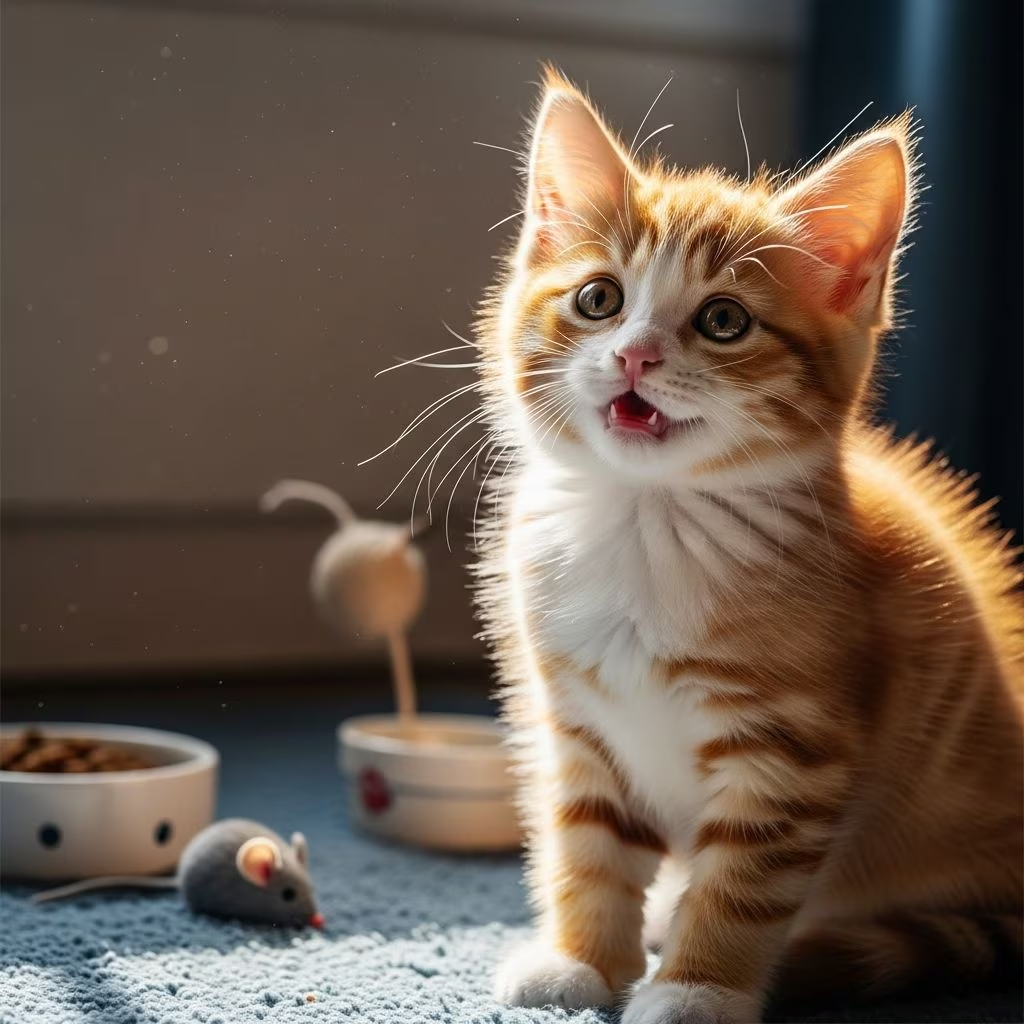
Kittens meow to communicate essential needs, much like human infants cry for attention. Understanding these vocalizations helps new owners respond promptly and foster a healthy environment.
Understanding Kitten Vocalizations
From birth, kittens rely on meows to signal distress or requirements to their mother. Newborns, born deaf and blind, meow for warmth and nourishment until around 8 weeks when weaning begins. As they grow, this behavior persists, directed primarily at humans rather than other cats, indicating adaptation to domestic life.
Meows vary in pitch and duration: short, high-pitched sounds often mean playfulness, while prolonged, loud cries suggest urgency like hunger or pain. Recognizing these patterns is key to addressing underlying issues swiftly.
Primary Reasons for Excessive Meowing
Several factors prompt kittens to vocalize frequently. Identifying the cause requires observing context, timing, and accompanying behaviors.
Hunger and Feeding Needs
Kittens possess tiny stomachs, necessitating frequent meals every 2-4 hours for those under 8 weeks. Empty bowls trigger insistent meowing, akin to a baby’s hunger cry. Inadequate feeding schedules or insufficient portions exacerbate this, leading to daily complaints.
To resolve, establish a routine with kitten-specific formula or food. Consult a vet for age-appropriate portions; younger kittens may need bottle-feeding if orphaned.
Loneliness and Separation Anxiety
Recently adopted kittens often meow for their littermates or mother, feeling isolated in a new home. High-energy felines crave interaction, and solitude leads to persistent calls for companionship.
- Schedule daily play sessions with toys to expend energy.
- Consider adopting a sibling for mutual stimulation.
- Provide comforting items like a ticking clock mimicking a heartbeat.
Litter Box Discomfort
Struggles with elimination cause distress meows, especially during litter training. Constipation, diarrhea, or an unappealing box setup prompts vocal protests.
Ensure a low-sided box with unscented litter in a quiet spot. Monitor for straining; persistent issues warrant veterinary evaluation for gastrointestinal concerns.
Pain or Injury Indicators
Sharp, piercing shrieks signal acute pain from trapped limbs, falls, or accidental injuries. Kittens hide discomfort, but vocal changes alert caregivers.
Inspect for swelling, limping, or unusual postures. Immediate vet care prevents complications in delicate young bodies.
Illness and Health Concerns
Subtle meows accompany sickness, often with lethargy or appetite loss. Conditions like infections or parasites manifest through altered vocalizations.
Dr. Stephanie Liff notes that health issues prompt meowing as a distress signal, urging prompt check-ups for symptoms beyond vocalization.
Environmental Factors Influencing Meows
Beyond basic needs, surroundings play a role. Overwhelming spaces disorient tiny kittens, causing lost cries as they navigate vast homes.
Introduce rooms gradually, starting with a safe haven containing bed, food, and litter. Stressors like new pets or moves amplify vocalization via anxiety.
| Factor | Signs | Solutions |
|---|---|---|
| Large Home | Disoriented meows | Confine to one room initially |
| New Environment | Increased frequency | Scent familiarization with blankets |
| Noise Levels | Startled cries | Quiet zones with white noise |
Age-Specific Meowing Patterns
Neonatal kittens (0-4 weeks) meow constantly for maternal care. Weaning (4-8 weeks) brings food-related cries, easing as solids introduce.
Older kittens (8-12 weeks) shift to attention-seeking, testing boundaries. Adolescents vocalize during play or exploration phases.
Strategies to Calm a Meowing Kitten
Responsive care reduces vocalizations effectively.
- Check Basics: Food, water, litter—rule out immediate needs.
- Engage Actively: 15-20 minute play bursts multiple times daily.
- Create Routine: Predictable schedules build security.
- Enrich Environment: Scratching posts, tunnels, perches prevent boredom.
- Vet Consultation: For unresolved or changing patterns.
Interactive toys and pheromone diffusers soothe anxiety, promoting quiet confidence.
Preventive Measures for Happy, Quiet Kittens
Proactive steps minimize issues:
- Socialize early with gentle handling.
- Maintain vaccination and deworming schedules.
- Monitor weight and growth milestones.
Pairs of kittens from the same litter bond naturally, halving loneliness cries.
When to Seek Professional Help
Escalate if meowing persists despite interventions, accompanies refusal to eat, vomiting, or behavioral shifts. Early detection averts serious conditions.
Vets assess via exams, possibly recommending diagnostics like bloodwork.
Frequently Asked Questions (FAQs)
Why does my kitten meow at night?
Nighttime meows often stem from hunger, loneliness, or pent-up energy. Feed a small pre-bed meal and extend play before bedtime.
Is excessive meowing normal for new kittens?
Yes, briefly during adjustment, but monitor for persistence indicating unmet needs.
Can diet affect kitten vocalization?
Absolutely; poor nutrition causes hunger cries. Opt for high-quality, age-specific formulas.
How long until my kitten stops crying so much?
Most settle within 1-2 weeks with proper care, fully by 12 weeks.
Should I ignore meowing to train my kitten?
No—ignoring valid needs builds anxiety. Address causes positively.
Long-Term Benefits of Understanding Meows
Attuned owners cultivate trusting bonds, reducing stress-related behaviors into adulthood. Healthy kittens grow into balanced cats, enhancing companionship.
Investing time now yields years of quiet purrs over plaintive meows.
References
- 5 Reasons Your Kitten May Be Crying — Pawp. Accessed 2026. https://pawp.com/kitten-crying/
- 6 Reasons Your Kitten Is Crying — PetMD. Accessed 2026. https://www.petmd.com/cat/slideshows/6-reasons-your-kitten-crying
- Why Is My Kitten Meowing So Much? — Lemonade Pet Insurance. Accessed 2026. https://www.lemonade.com/pet/explained/why-is-my-kitten-meowing-so-much/
- Why is My Kitten Crying? (& How to Help Them Stop) — Hill’s Pet. Accessed 2026. https://www.hillspet.com/cat-care/behavior-appearance/how-to-soothe-a-crying-kitten
- Meowing and Yowling — ASPCA. Accessed 2026. https://www.aspca.org/pet-care/cat-care/common-cat-behavior-issues/meowing-and-yowling



