

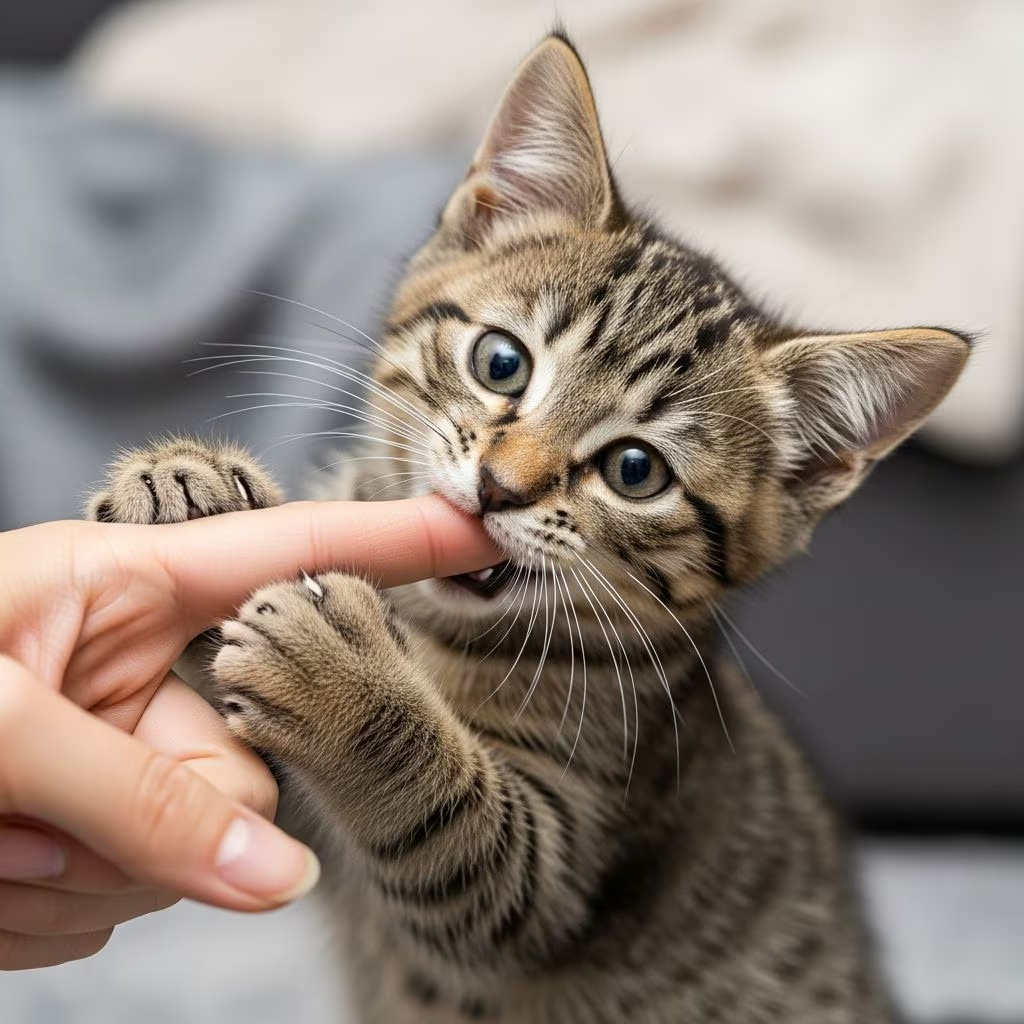
Why Is My Kitten Biting Me—and How Do I Stop It?
Kitten biting is one of the most common challenges new cat owners face. Those needle-sharp teeth may be tiny, but they pack a punch, and the behavior can be both frustrating and painful. However, understanding the motivations behind your kitten’s biting will help you address the issue more effectively and compassionately. Rather than viewing biting as a behavior problem, recognize that it’s a normal part of kitten development—one that you can successfully manage with patience, consistency, and the right training techniques.
Why Does My Kitten Keep Biting Me?
To figure out the reasons behind kitten biting, ask yourself what the cat gets out of it. Depending on the kitten’s personality, socialization, age and other factors, there may be several reasons why your kitten is biting. Understanding these motivations is the first step toward effectively addressing the behavior.
1. They’re Exploring
Kittens are naturally curious creatures, and they explore their world using all their senses—including their mouths. Like puppies, kittens use biting as a way to learn about their environment and the objects around them. Everything from your fingers to your furniture becomes an interesting texture to sample. This exploratory biting typically occurs when kittens are very young and is part of their normal developmental process. During this phase, kittens haven’t yet learned that human skin is more delicate than the materials they’ll encounter with their littermates.
2. They Feel Bad (Teething and Pain)
One significant reason kittens bite is because they’re experiencing discomfort from teething. Between two to six months of age, kittens’ baby teeth fall out and are replaced by permanent teeth. This process causes soreness and pressure in their gums, leading them to seek relief by chewing and biting. If your kitten is in this age range and suddenly becomes more bitey than usual, teething is likely the culprit. Additionally, if your kitten is experiencing any pain or discomfort from illness or injury, increased biting behavior may be a sign that something is wrong medically.
3. They’re Practicing Their Hunting Skills
Biting is a fundamental part of a kitten’s hunting instinct. Kittens are born predators, and play-biting helps them develop the skills they’ll need as adult cats. When your kitten pounces on your hands or feet and delivers little nips, they’re practicing behaviors that would help them catch prey in the wild. This predatory play is completely natural and healthy—it just needs to be redirected toward appropriate targets rather than human body parts.
4. They’re Playing
Play is essential for kittens’ physical and mental development, but kittens also need to learn appropriate boundaries during playtime. In a litter setting, kittens learn from their siblings how rough is too rough. When one kitten bites too hard during play, the victim will yelp and stop playing, providing immediate feedback about acceptable play levels. Without siblings or other cats to teach them these lessons, your kitten may not understand how gentle they need to be when interacting with humans.
5. They’re Setting Boundaries
Sometimes kittens bite as a way to communicate that they’ve had enough interaction or playtime. If your kitten is being pet and suddenly nips your hand, they may be indicating that they want the interaction to stop. This is particularly common if your kitten has had rough play sessions with other pets or people in the household. Learning to recognize these warning signs can help you respect your kitten’s boundaries before the nipping escalates.
6. They’re Scared or Defensive
Fear can significantly contribute to biting behavior in kittens. When kittens feel threatened or frightened, they may bite as a defensive mechanism. New experiences, unfamiliar people, or stressful situations can trigger fear responses. Remember that even the bravest-seeming kitten experiences fear regularly, as everything in their world is new and potentially scary. Creating a calm, secure environment helps reduce fear-based biting.
7. They’re Seeking Attention
Kittens are intelligent and quickly learn cause-and-effect relationships. If your kitten bites and receives a strong reaction—whether positive or negative—they may repeat the behavior to get your attention. Even scolding or pushing them away can be seen as attention in a kitten’s mind. Over time, biting becomes a strategy to engage you, especially if they’re bored or feeling lonely.
How to Stop a Kitten From Biting
You won’t eliminate kitten biting entirely, but you can offer better alternatives to nailing your tender toes, ankles or nose. Punishment that hurts or scares kittens is never acceptable and can make biting worse by turning play-bites into defensive aggression. Instead, the key to bite training involves a four-prong approach that combines interruption, attention management, redirection, and positive reinforcement.
The Four-Prong Training Approach
Effective kitten bite training relies on four essential components working together:
- Interrupt the inappropriate bites
- End positive attention
- Offer a better target
- Reward good behavior
Interrupt Inappropriate Kitten Biting
Kittens have a very short attention span, so the interruption must happen right as they chomp your ankle, nails or your hand. A very effective way to interrupt a young kitten from biting is to make a percussive “SSSST!” hissing sound that imitates the mother cat. Since a feline hiss means “Back off, I’m warning you!” this works especially well with young kittens under about four months of age. This mimics the natural correction a kitten would receive from their mother or littermates.
For older kittens, say “No” and immediately disengage from the interaction. Do not make eye contact or talk to them, as this can be interpreted as attention or engagement. The goal is to make clear that biting ends the interaction immediately.
End Positive Attention
Once your kitten has bitten you, remove yourself as an interactive playmate. Stop all petting, playing, and talking. If your kitten is biting your hand during play, immediately pull your hand away and ignore them for a few moments. This teaches them that biting ends the fun. Consistency is crucial—every member of your household must respond the same way to biting to avoid confusion.
Offer a Better Target
Rather than simply stopping play, redirect your kitten’s biting urge toward an appropriate toy. Keep a variety of toys on hand so that you can easily reach for a safe target your kitten can bite. If your kitten is biting during play, try gently tossing a toy in the opposite direction to shift their attention. This redirect isn’t meant to encourage continued play, though. It’s simply meant to free yourself from their grip and give them an alternative outlet.
Once they’ve released their grip and are playing with the toy, give them a few moments to settle before offering another interactive toy for “hunting.” Toys designed to resemble prey, such as feather toys resembling birds or plush toys resembling mice, are particularly effective.
Reward Good Behavior
Consistently reward gentle play with praise, treats, or continued interaction. When your kitten plays gently with you or appropriately with toys, provide positive reinforcement immediately. This teaches them that gentle behavior results in the fun continuing, while rough play ends it. Positive reinforcement is far more effective than punishment for establishing desired behaviors.
Prevention Strategies for Kitten Biting
Provide Appropriate Toys and Enrichment
Prevention is always easier than correction. Providing appropriate toys and playtime is crucial in preventing painful interactions. Interactive play allows kittens to learn, exercise, and satisfy their hunting instincts without targeting human body parts. Consider stocking your kitten’s toy box with:
- Wand toys with feathers or strings
- Crinkle balls
- Tunnels and climbing structures
- Plush toys resembling prey animals
- Food puzzles and interactive feeders
- Stuffed toys or socks filled with materials
Rotate toys regularly to maintain your kitten’s interest and prevent boredom. Toys can be made inexpensively by stuffing long socks with catnip or crumpled paper, allowing your kitten to grab, bite, and kick without damaging anything important.
Establish Regular Play Sessions
Kittens have abundant energy, and without sufficient outlets for that energy, they may direct their play aggression toward you. Schedule multiple short play sessions throughout the day to keep your kitten mentally and physically stimulated. Aim for at least three to four play sessions daily, each lasting 10-15 minutes. Interactive play helps strengthen the bond between you and your kitten while teaching them appropriate play behavior.
Mental stimulation is equally important as physical exercise. Store-bought or homemade puzzle feeders can engage your kitten and encourage the development of mental skills and natural hunting behaviors. A mentally stimulated kitten is less likely to resort to biting out of boredom or frustration.
Provide a Safe, Low-Stress Environment
Fear-based biting can be minimized by creating a safe environment with hiding spaces and escape routes. Ensure your kitten has elevated spots where they can observe their surroundings safely, as well as enclosed spaces where they can retreat when feeling overwhelmed. A stressed kitten is more likely to bite defensively.
Introduce new experiences and people gradually. Allow your kitten to approach at their own pace rather than forcing interactions. This helps build confidence and reduces the likelihood of fear-based biting.
Address Pain and Medical Issues
If your kitten suddenly increases biting behavior or seems to target specific areas of their body, consult your veterinarian. Pain or discomfort from illness or injury can lead to increased biting. A veterinarian can rule out any medical causes for your kitten’s biting behavior and ensure your kitten is healthy. Regular check-ups help address any underlying health issues that may contribute to behavioral changes.
What to Avoid When Addressing Kitten Biting
Certain approaches to correcting kitten biting can actually make the problem worse. Punishment that hurts or scares kittens is never acceptable. Physical punishment, yelling loudly, or spraying water directly in their face can turn playful bites into defensive aggression and damage the trust between you and your kitten.
Avoid encouraging rough or mouthing play, as this reinforces biting tendencies and can result in biting behaviors persisting into adulthood. Even if it seems cute or funny when your kitten is small, allowing this behavior teaches them that human hands and feet are appropriate bite targets.
Don’t ignore excessive biting or hope the behavior will resolve on its own. Without intervention and training, problematic biting often escalates as kittens grow. If biting becomes excessive or the above strategies do not improve the behavior within a few weeks, seek guidance from your veterinarian or an animal behaviorist.
When to Seek Professional Help
An animal behaviorist specializes in understanding and modifying animal behavior. They can provide expert advice and create a customized training plan for your kitten. Working with a professional can be especially helpful for addressing more challenging behaviors and ensuring long-term success. If your kitten’s biting seems aggressive rather than playful, or if standard training techniques aren’t working, professional guidance is worthwhile.
Frequently Asked Questions About Kitten Biting
Q: At what age do kittens stop biting so much?
A: Most kittens gradually reduce play-biting as they mature, typically between 6 to 12 months of age. However, with proper training and redirection, you can significantly reduce biting behavior much earlier. Adult cats may still bite occasionally, but it’s usually less frequent and less intense than in kittens if properly trained.
Q: Is it normal for kittens to bite during teething?
A: Yes, increased biting during the teething phase (2-6 months) is completely normal. Providing appropriate chew toys and cold teething toys can help alleviate the discomfort. If the biting seems excessive or you notice other signs of dental problems, consult your veterinarian.
Q: How do I know if my kitten’s biting is playful or aggressive?
A: Playful biting typically occurs during interactive play, includes play bows, and is not accompanied by hissing or growling. Aggressive biting may include flattened ears, hissing, growling, or sudden attacks without play context. If you’re unsure, consult your veterinarian or an animal behaviorist.
Q: Should I ever use my hands to play with my kitten?
A: While gentle hand play is okay occasionally, it’s better to use toys like wand toys or feather teasers. This teaches your kitten that toys—not hands—are appropriate bite targets. Using toys for most interactive play reduces the likelihood of your kitten developing a habit of biting hands.
Q: What if my kitten only bites certain family members?
A: This often indicates the kitten has learned that certain people respond in specific ways to biting (whether that’s attention, strong reactions, or different play styles). Ensure all family members respond consistently to biting using the same four-prong approach. Consistency across all household members is key to successful training.
Q: Can I use bitter spray to deter kitten biting?
A: Bitter sprays may work as a taste deterrent on furniture or other objects, but they’re less effective for training your kitten not to bite you. Behavioral training with redirection and positive reinforcement is more effective and builds better communication between you and your kitten.
References
- How to Stop Kittens from Biting — Brown Veterinary Hospital. 2024. https://brownvethospital.com/blog/how-to-stop-kittens-from-biting/
- Kitten Biting Behavior — Creekside Veterinary Hospital. 2024. https://creeksidepetvet.com/kitten-biting-behavior/
- How to Stop Kitten Biting — Purina US. 2024. https://www.purina.com/articles/cat/kitten/behavior/how-to-stop-kitten-biting
- How To Handle Kitten Biting — VCA Animal Hospitals. 2024. https://vcahospitals.com/pediatric/kitten/behavior-training/how-to-deal-with-kitten-biting
- Why Your Kitten Bites and How to Prevent It — Your Pet and You (Elanco). 2024. https://yourpetandyou.elanco.com/us/behavior/why-kittens-bite-and-how-to-prevent-it



