

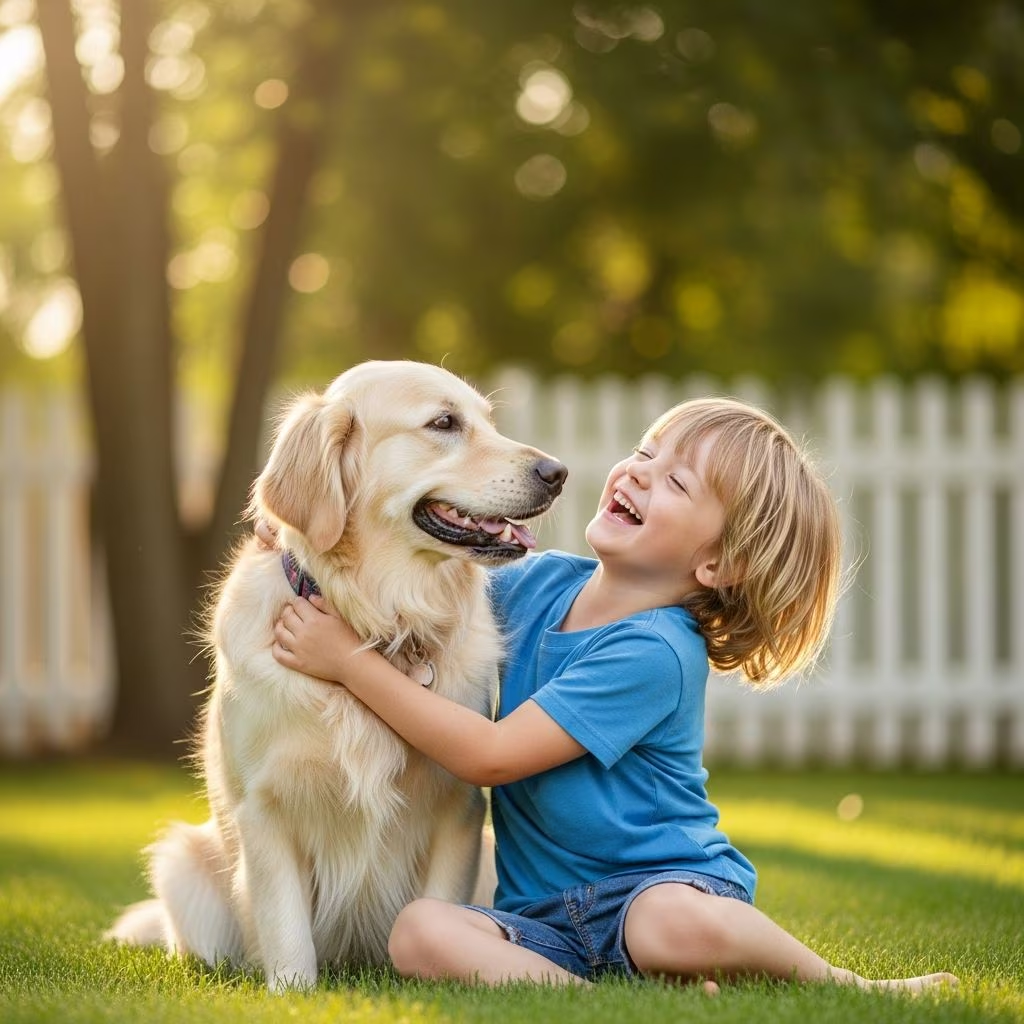
Bringing a dog into a family with children creates a dynamic partnership that influences growth in multiple dimensions. This relationship fosters skills and traits that prepare kids for adulthood while enriching daily life.
Building Emotional Foundations Through Canine Bonds
Dogs serve as reliable emotional anchors, helping children navigate feelings from joy to distress. Their presence teaches young minds to identify and manage emotions effectively.
- Children learn to read subtle cues from their dog’s body language, sharpening emotional awareness that extends to human interactions.
- Daily routines like petting or playing release oxytocin, reducing stress hormones and promoting calm.
Research highlights how this bond cultivates empathy. Kids who care for dogs regularly demonstrate greater compassion, as they anticipate and meet their pet’s needs, mirroring behaviors in peer relationships.
Fostering Responsibility and Life Skills Early On
Assigning pet care tasks introduces children to accountability without overwhelming pressure. Simple duties evolve into habits that build character.
| Task | Skill Developed | Long-Term Benefit |
|---|---|---|
| Feeding and watering | Consistency | Time management |
| Daily walks | Planning | Discipline |
| Grooming | Patience | Attention to detail |
Studies confirm that such involvement enhances problem-solving and self-esteem, as children gain confidence from fulfilling obligations.
Enhancing Physical Health and Activity Levels
In an era of sedentary habits, dogs motivate movement naturally. Walks, fetch games, and yard play accumulate significant exercise time.
- Children with dogs average more daily activity, supporting bone density, muscle strength, and cardiovascular fitness.
- Outdoor exposure boosts vitamin D intake and immune function through natural play.
Evidence shows kids with canine companions exercise about 11 extra minutes per day, compounding to substantial health gains over time.
Strengthening Social Abilities and Interactions
Dogs act as bridges in social settings, easing conversations and group dynamics. A pet’s neutral presence encourages outgoing behavior.
Interactions with dogs improve verbal skills, as children issue commands and narrate play, accelerating language development.
- Cooperative games teach teamwork, translating to better peer cooperation.
- Dogs facilitate ice-breaking with other kids at parks or events.
Promoting Mental Well-Being and Resilience
The unwavering loyalty of dogs provides a buffer against life’s challenges. During tough times like school transitions or friendships strains, a pet offers solace.
Lower anxiety levels are noted in children with dogs, particularly those facing social hurdles or neurodiverse conditions.
This companionship instills unconditional love lessons, broadening a child’s capacity for diverse relationships.
Cognitive Growth Sparked by Curiosity
Dogs ignite inquisitiveness, prompting questions about animal behavior, nature, and biology. Exploration during walks or observation sessions fuels learning.
- Pet care routines enhance cognitive planning and critical thinking.
- Conversations with dogs practice communication, boosting vocabulary and expression.
Navigating Challenges for Successful Integration
While rewards abound, preparation is key. Families must assess readiness for commitment.
- Select breeds suited to family life, prioritizing gentle temperaments.
- Supervise interactions to ensure safety and positive experiences.
- Commit to training for both child and dog to prevent mishaps.
Financial and time investments are essential, but structured approaches yield harmony.
Real-World Examples of Transformative Bonds
Families report profound changes: shy children gain confidence through dog-walking routines, active kids channel energy productively, and emotional growth accelerates via caregiving.
Experts like Dr. Megan Mueller emphasize how these ties build prosocial behaviors enduring into adulthood.
Health Considerations and Best Practices
Prioritize hygiene to minimize allergy risks or zoonotic issues. Regular vet visits ensure both child and pet stay healthy.
- Teach gentle handling from infancy to instill respect.
- Monitor for signs of stress in either party.
Long-Term Impacts on Adulthood
Childhood dog ownership correlates with empathetic, responsible adults. These early lessons shape worldviews positively.
Physical habits formed young combat obesity trends, while social ease persists lifelong.
Frequently Asked Questions
Is a dog suitable for every family with children?
Not always; consider lifestyle, space, and allergies. Breeds like Labradors or Goldens often suit families well.
At what age should kids start helping with dog care?
From toddlerhood with supervision, ramping up responsibilities around age 5-7 for feeding and walking.
Do dogs help with children’s anxiety?
Yes, studies show reduced anxiety through companionship and routine.
How much extra exercise do kids get with a dog?
Approximately 11 minutes daily, per research.
What if my child is allergic to dogs?
Consult allergists; hypoallergenic breeds like Poodles may help, but test first.
Choosing the Right Dog for Your Family
Match energy levels: high-energy kids pair with active breeds, calmer ones with lap dogs. Rescue centers offer temperament-tested options.
Training classes benefit everyone, reinforcing mutual respect.
References
- The Bond Between Kids and Dogs: How Growing Up Together Benefits Cognitive Development — AZ Tailwag. 2023. https://aztailwag.com/blog/the-bond-between-kids-and-dogs–how-growing-up-together-benefits-cognitive-development
- Dogs and Kids, Happy Together — Ark-Valley Humane Society. 2024. https://www.ark-valley.org/dogs-kids/
- 5 Benefits of Dogs and Children Growing Up Together — Purina US. 2023-02-17. https://www.purina.com/articles/dog/getting-a-dog/5-benefits-of-dogs-and-children-growing-up-together
- 7 Benefits for Kids Who Grow Up With Dogs — Ecobnb. 2021-01. https://ecobnb.com/blog/2021/01/benefits-kids-grow-up-dogs/
- 5 Amazing Benefits of Dogs and Children Growing Up Together — PetnPet. 2024. https://petnpet.us/blogs/news/5-amazing-benefits-of-dogs-and-children-growing-up-together



