

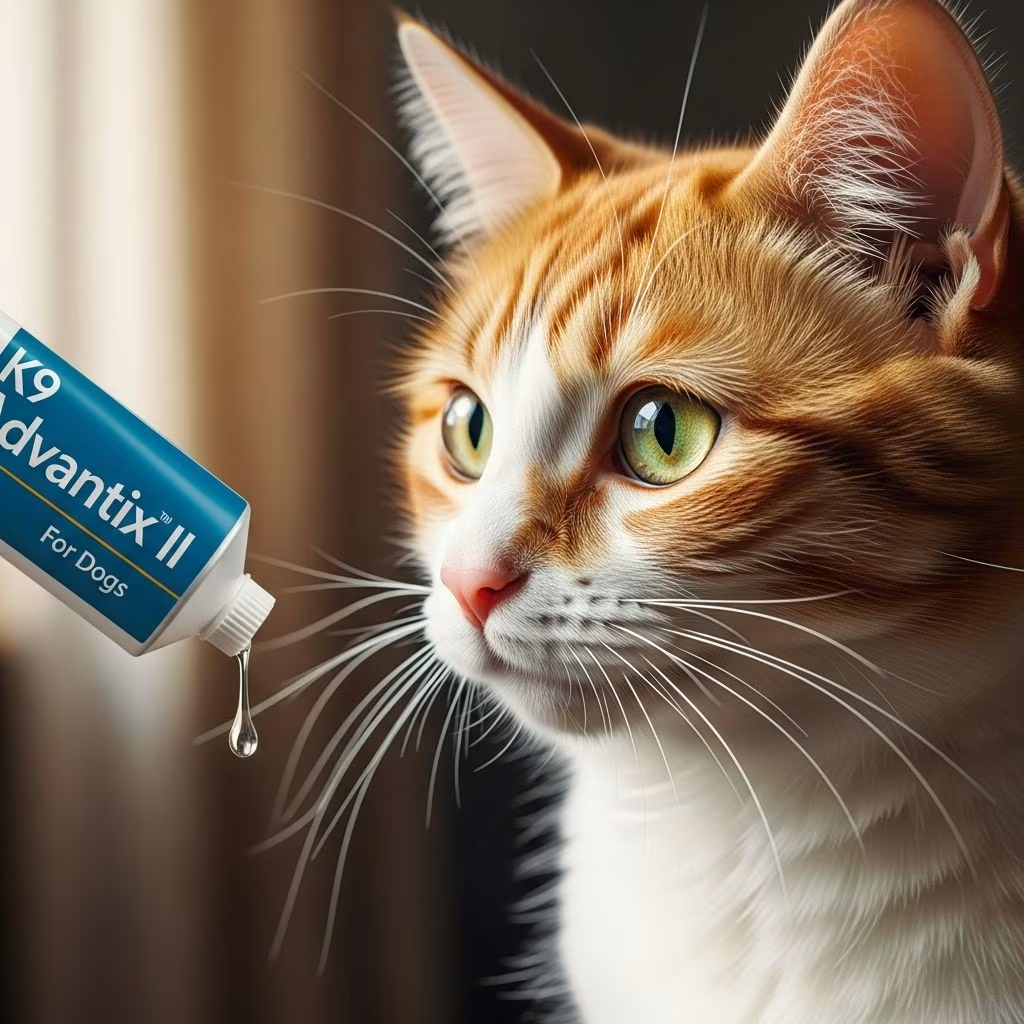
Dog-specific flea and tick products like K9 Advantix can cause life-threatening toxicity in cats because of their key ingredient, permethrin, which cats cannot metabolize safely. Dog metabolism handles permethrin effectively, but feline livers lack the necessary enzymes, leading to rapid buildup and severe neurological effects.
The Science Behind Permethrin Danger in Felines
Permethrin belongs to the pyrethroid class of insecticides, designed to disrupt insect nervous systems by prolonging sodium channel opening in nerves. In dogs, glucuronidase enzymes break it down quickly, preventing harm. Cats, however, rely on glucuronyl transferase, which poorly processes pyrethroids, causing the toxin to accumulate and overstimulate their nerves.
This metabolic difference explains why even small amounts trigger crises. Exposure affects the central nervous system, muscles, and sometimes the gastrointestinal tract, with outcomes ranging from mild twitching to fatal seizures if untreated. Veterinary toxicology reports highlight permethrin as a leading cause of feline poisoning emergencies, especially in multi-pet homes.
Common Pathways of Exposure for Cats
Cats encounter K9 Advantix through several avoidable routes, often due to product mix-ups or household sharing. Direct application happens when owners mistake it for cat products like Advantage, whose packaging resembles K9 Advantix tubes and boxes.
- Misapplication: Grabbing the wrong tube during routine treatments.
- Contact with treated dogs: Cats rubbing against recently applied areas on dogs, then grooming the residue.
- Grooming ingestion: Licking fur or skin where product lingers before full absorption.
- Environmental contact: Touching discarded applicators or bedding with residue.
In shared homes, timing matters: apply dog treatments when cats are isolated, waiting 48 hours for drying before reunion. Permethrin-laced fabrics or sprays add indirect risks.
Recognizing Toxicity Symptoms Early
Signs appear within hours, escalating quickly. Monitor for these progressive indicators:
| Stage | Symptoms | Action Needed |
|---|---|---|
| Mild | Excessive salivation, mild tremors, hyperactivity | Wash cat, call vet |
| Moderate | Vomiting, diarrhea, muscle twitching, ear flicking | Immediate vet visit |
| Severe | Seizures, ataxia, coma, respiratory distress | Emergency care |
Even asymptomatic exposure warrants veterinary consultation, as delayed effects occur. Hypersalivation stems from oral irritation; tremors from nerve hyperexcitability.
Emergency Response Protocols
Act fast: clip and wash the application site with mild dish soap and lukewarm water to remove residue, avoiding further absorption. Do not induce vomiting, as it risks aspiration.
Veterinary interventions include:
- Benzodiazepines or barbiturates for seizures.
- Methocarbamol for muscle rigidity.
- Intravenous lipids to bind circulating toxin.
- Supportive care like fluids and monitoring.
Hospitalization may last days for severe cases. Prognosis improves with prompt care; delays raise mortality risks.
Safe Flea and Tick Prevention for Cats
Opt for cat-labeled products only. Key options include:
- Topicals: Advantage II (imidacloprid + pyriproxyfen), Frontline Plus (fipronil + methoprene) – kill fleas, eggs, ticks without pyrethroids.
- Oral preventives: Bravecto, Credelio, NexGard (isoxazolines) – effective but consult for seizure-prone cats.
- Collars: Seresto – 8-month protection against fleas/ticks.
Always verify cat icons on labels and dosages by weight/age. Integrated pest management – vacuuming, washing bedding – boosts efficacy.
Preventing Accidents in Multi-Pet Households
Storage separates dog and cat products; label clearly. Apply outdoors or in cat-free zones, allowing full drying. Educate all household members on differences.
Vets recommend pyrethroid-free dog options like Simparica Trio or oral isoxazolines for safety. Regular checks ensure no cross-contamination.
Understanding Product Labels and Regulations
EPA regulates these pesticides, mandating species-specific labeling. K9 Advantix warnings state “not for cats,” yet accidents persist due to similarities. Frontline Plus suits both species safely. Consult vets for regional threats like ticks carrying Lyme.
Long-Term Strategies for Parasite Control
Beyond topicals, environment matters. Fleas spend 95% off-host; treat yards with nematodes, use diatomaceous earth cautiously. Year-round prevention suits indoor cats in flea-prone areas.
Monitor efficacy: persistent fleas signal resistance or improper use. Rotate products under vet guidance.
Frequently Asked Questions
Can cats recover from K9 Advantix exposure?
Yes, most recover fully with immediate treatment, though severe cases risk permanent damage.
Is Advantage safe for cats?
Yes, Advantage lacks permethrin, targeting fleas via imidacloprid.
How long after dog treatment can cats safely interact?
Wait 48 hours minimum for absorption.
What if no symptoms show?
Still consult a vet; subclinical toxicity possible.
Are natural flea remedies safer?
Not always; essential oils like tea tree can toxify cats. Stick to vet-approved.
Key Takeaways for Pet Owners
Never interchange dog and cat parasite controls. Prioritize label reading, vet advice, and separation protocols. Safe alternatives abound, protecting all pets effectively.
References
- Dial A Vet: What should I do if I accidentally used K9 Advantix II on my cat? — Dial A Vet. 2023. https://www.dialavet.com/vet-answers/post/used-k9-advantix-ii-on-cat-153921
- K9 Advantix Is Not Safe for Cats: Our Vet Explains Why — Catster. 2023. https://www.catster.com/ask-the-vet/k9-advantix-for-cats/
- Advantage vs. Advantix: An Important Difference — Kinship. 2023. https://www.kinship.com/pet-health/advantage-vs-advantix-important-difference
- Are Flea and Tick Treatments Safe? — PetCareRx. 2023. https://www.petcarerx.com/article/are-flea-and-tick-treatments-safe/177
- Flea and tick prevention — Cornell University College of Veterinary Medicine. 2025. https://www.vet.cornell.edu/departments-centers-and-institutes/riney-canine-health-center/canine-health-topics/flea-and-tick-prevention



