

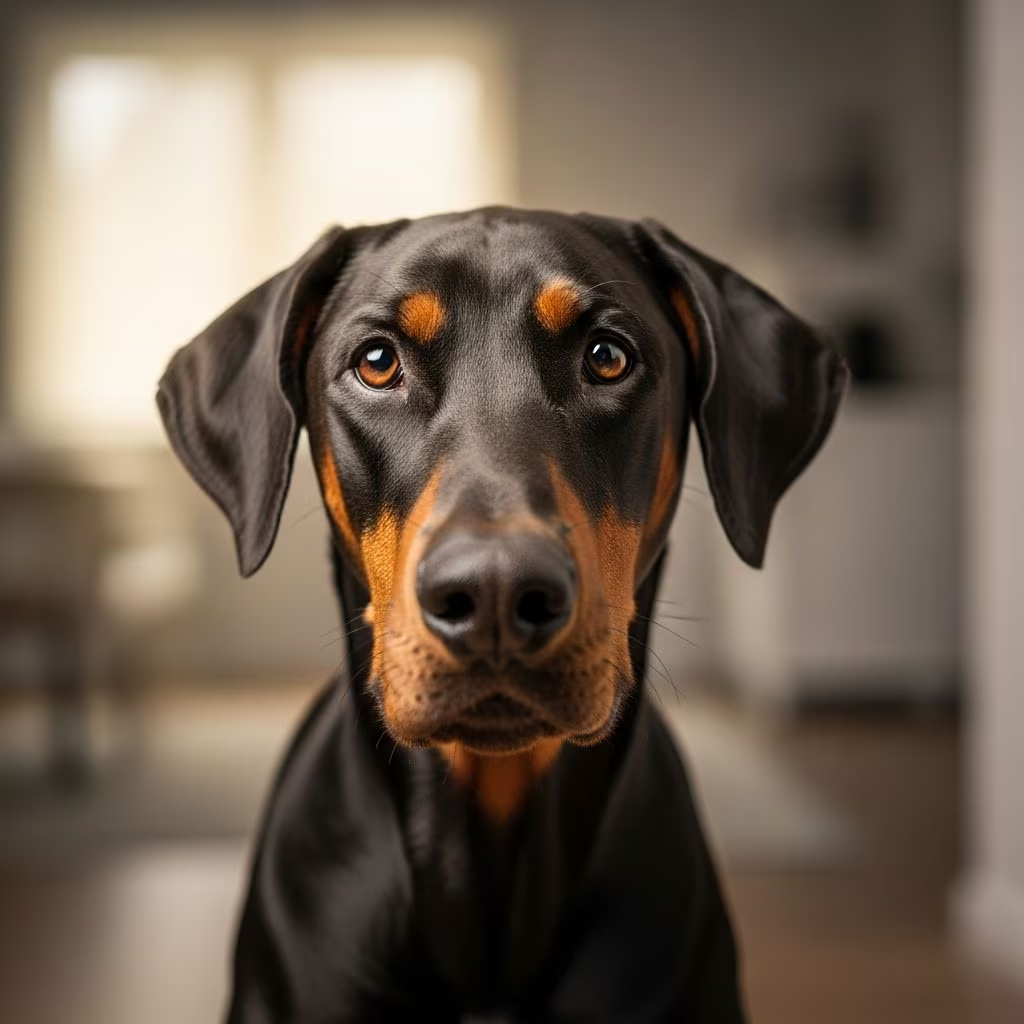
Dobermans are renowned for their athletic builds and lean frames, but when your dog appears excessively thin, it raises immediate concerns. A healthy adult Doberman typically weighs between 60 and 100 pounds, depending on gender and size, with visible waistlines and palpable ribs under a thin fat layer. If ribs protrude sharply, hip bones are prominent, or your dog lacks muscle tone, underweight status is likely. This guide delves into primary causes, diagnostic steps, and recovery strategies, drawing from veterinary insights to empower owners.
Assessing Your Doberman’s Body Condition
Before pinpointing causes, evaluate your dog’s condition accurately. Use the Body Condition Score (BCS) system, a standard veterinary tool. On a 9-point scale, ideal scores are 4-5: ribs easily felt without excess fat, waist visible from above, and abdominal tuck present. Scores below 3 indicate underweight, with visible ribs, no fat cover, and potential muscle loss.
- Visual cues: Sharp spine, protruding ribs, tucked abdomen.
- Hands-on check: Run fingers over ribs—if they feel like piano keys, weight gain is needed.
- Muscle assessment: Feel for firmness along the back and hindquarters; wasting suggests atrophy.
Track weight weekly using a pet scale. Sudden loss over 10% of body weight in days warrants urgent vet attention.
Nutritional Factors Leading to Thinness
Inadequate nutrition tops the list of why Dobermans lose weight. These powerful, high-energy dogs burn 1,500-2,500 calories daily, varying by age, activity, and neuter status. Mismatches here cause rapid thinning.
Incorrect Calorie Intake
Dobermans in moderate exercise need 4-7 cups of high-quality kibble daily, split into 2-3 meals. Active or working dogs (e.g., police K9s) require more to match expenditure. Underfeeding by even 20% leads to fat and muscle depletion. Factors influencing needs include:
| Factor | Impact on Calories |
|---|---|
| Age (puppy vs. senior) | Puppies: +50%; Seniors: -20% |
| Activity level | Sedentary: 1,200 cal; High: 3,000+ cal |
| Climate | Cold: +10-20%; Hot: baseline |
| Neutered | -10-15% lower metabolism |
Consult a vet for personalized calculations using tools like the NRC calorie estimator.
Suboptimal Food Quality
Low-grade foods with fillers (corn, soy) provide fewer digestible calories. A dog fed ‘required’ portions of cheap kibble might absorb only half the energy of premium formulas. Signs include normal portions but pot-bellied appearance or unchanged thinness. Transition gradually over 7-10 days to avoid GI upset.
Picky Eating and Behavioral Refusal
Dobermans can be selective, hiding food or skipping meals. Recent diet switches exacerbate this, causing temporary aversion or diarrhea. Enhance palatability with toppers like bone broth, but rule out medical pain first.
Parasitic Infestations Stealing Nutrients
Internal parasites like roundworms, hookworms, and tapeworms siphon calories directly from the gut, common in young or outdoor Dobermans. Infected dogs eat ravenously yet thin down, with symptoms like scooting, rice-like segments in stool, or diarrhea.
- Transmission: Contaminated soil, prey, or flea hosts.
- Detection: Fecal exam reveals eggs/larvae.
- Treatment: Broad-spectrum dewormers (e.g., pyrantel, fenbendazole); monthly preventives essential.
Puppies and rescues are high-risk; annual checks prevent chronic malnutrition.
Medical Conditions Disrupting Weight Maintenance
Serious illnesses often present with weight loss as a primary sign, alongside others like lethargy or thirst changes. Prompt diagnosis via bloodwork, imaging, or endoscopy is critical.
Gastrointestinal Disorders
Issues like Exocrine Pancreatic Insufficiency (EPI), inflammatory bowel disease, or megaesophagus prevent nutrient absorption or cause regurgitation. In megaesophagus—a Doberman-prone dilation—food pools in the esophagus, undigested. Feed elevated to aid gravity flow.
Endocrine and Metabolic Diseases
Diabetes mellitus impairs glucose use, causing muscle wasting despite hunger. Hyperthyroidism (rare in dogs) or Addison’s accelerate metabolism. Kidney disease builds toxins, inducing nausea and protein breakdown; watch for excess urination, bad breath. Liver dysfunction hinders nutrient processing, with jaundice or ascites.
| Condition | Key Symptoms | Diagnostic Test |
|---|---|---|
| Diabetes | Thirst, urination, cataracts | Blood glucose curve |
| Kidney Disease | PU/PD, vomiting, anemia | SDMA/creatinine bloodwork |
| Liver Disease | Jaundice, seizures, bleeding | Bile acids, ultrasound |
| Hyperadrenocorticism (rare) | Pot-belly, hair loss | ACTH stimulation |
Cancer and Chronic Infections
Oncologic processes like lymphoma cachexia burn calories systemically. Infections (e.g., parvovirus in unvaccinated pups) cause acute loss with bloody diarrhea.
Muscle Wasting and Pain-Related Anorexia
Atrophy from disuse, aging, or neurological issues slims hindquarters. Dental abscesses or arthritis make chewing painful, reducing intake. X-rays or oral exams confirm.
Environmental and Psychological Triggers
Stress from boarding, household changes, or depression suppresses appetite. Competition with other pets or anxiety leads to food avoidance. Older Dobermans may lose olfaction, mistaking disinterest for pickiness.
Steps to Diagnose and Resolve Underweight Issues
1. Record history: Diet log, stool changes, thirst, energy levels.
2. Vet exam: Full physical, fecal/float, CBC/chemistry panel, urinalysis.
3. Targeted tests: Ultrasound for organs, TLI for EPI.
4. Recovery plan: High-calorie diet (e.g., 400+ kcal/cup), small frequent meals, probiotics.
Aim for 2-5% weekly gain to avoid metabolic stress. Monitor BCS monthly.
Preventive Strategies for Optimal Doberman Weight
- Annual wellness exams with fecal screens.
- Consistent, measured feeding twice daily.
- Parasite preventives year-round.
- Balanced exercise: 60min walks + play.
- Senior diets post-7 years for digestibility.
Frequently Asked Questions (FAQs)
How much should my Doberman weigh?
Males: 75-100 lbs; Females: 60-90 lbs at 18-24 months. Adjust for frame size.
Is it normal for Dobermans to be lean?
Yes, but visible ribs without fat cover signal issues—not breed norm.
What if my dog eats but stays thin?
Malabsorption (parasites, EPI) or hypermetabolism (diabetes, cancer). Vet diagnostics needed.
Can home remedies fatten my Doberman?
Only post-vet clearance; use vet-prescribed gainers, avoid table foods disrupting balance.
When is weight loss an emergency?
With collapse, severe vomiting/diarrhea, jaundice, or breathing issues—seek ER care.
References
- Why Is My Doberman So Skinny? 4 Vet-Reviewed Reasons — Dogster. 2023. https://www.dogster.com/dog-health-care/reasons-why-your-doberman-is-skinny
- Why Is My Doberman So Skinny? 13 Vet Reviewed Reasons — Hepper. 2024. https://articles.hepper.com/why-is-my-doberman-so-skinny/
- How to Tell if Your Dog is Underweight — American Kennel Club (AKC). 2024-01-15. https://www.akc.org/expert-advice/nutrition/is-my-dog-underweight/
- Is Your Dog Losing Weight But Eating? 10 Common Causes — ToeGrips. 2025. https://toegrips.com/dog-losing-weight-but-eating/
- Is Your Dog Losing Weight? Common Causes and When It’s Time — PetMD. 2024-06-10. https://www.petmd.com/dog/symptoms/dog-losing-weight
- Abnormal Weight Loss in Dogs — VCA Animal Hospitals. 2024. https://vcahospitals.com/know-your-pet/weight-loss-abnormal-in-dogs



