

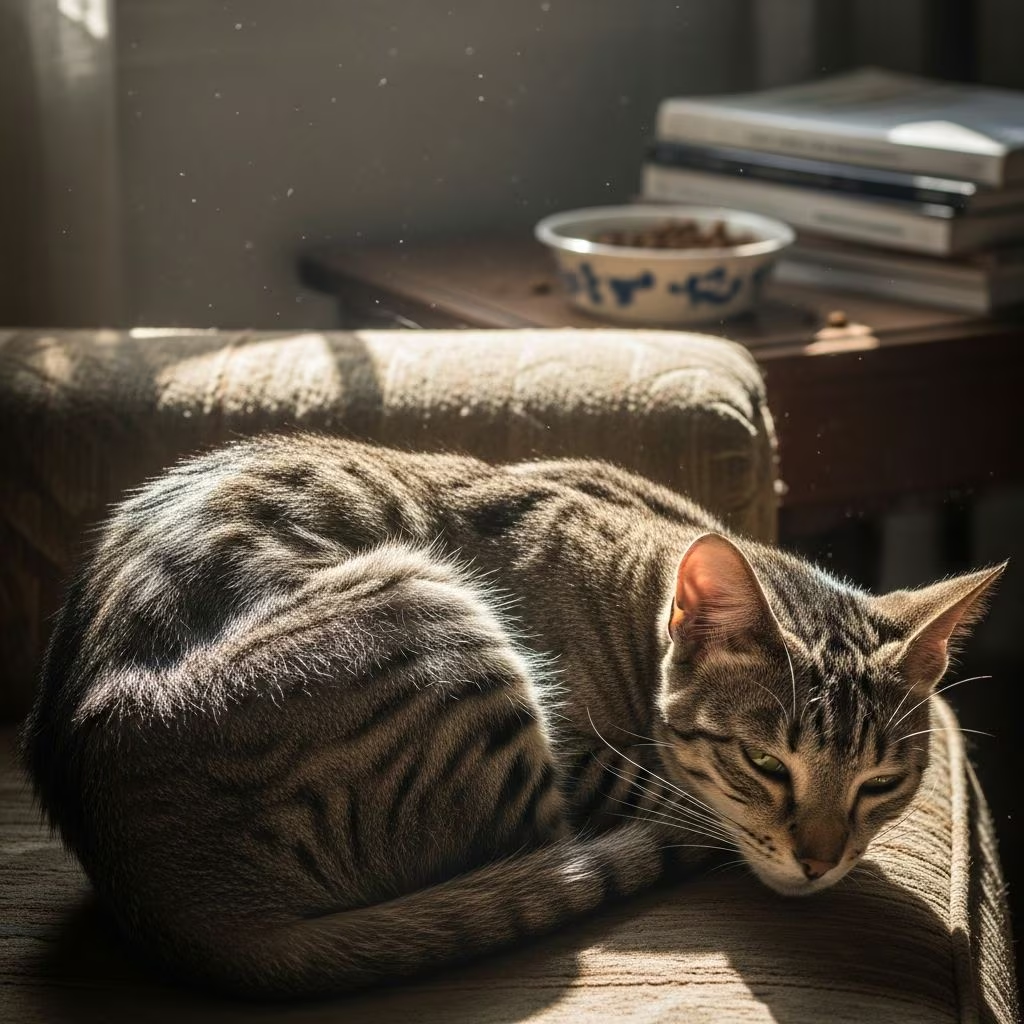
Unintentional weight loss in cats is a red flag that demands immediate attention, as it often signals underlying health problems ranging from treatable conditions to life-threatening diseases. Cats are masters at hiding illness, so weight loss might be the first noticeable symptom. According to veterinary sources, common culprits include hyperthyroidism, diabetes, kidney disease, and intestinal parasites, affecting cats of all ages but especially seniors. This comprehensive guide breaks down the causes, symptoms, diagnostics, and next steps to help you support your cat’s health.
Is Weight Loss in Cats Normal?
Occasional minor fluctuations in weight can occur due to seasonal changes or minor diet shifts, but **sudden or unintentional weight loss**—defined as more than 10% of body weight over a short period—is never normal. Senior cats (over 7 years) are particularly prone, with studies showing up to 30% experiencing age-related muscle wasting or chronic diseases. If your cat loses weight despite a stable appetite, it’s time to investigate. Monitor weekly using a pet scale and track trends alongside behavior, appetite, thirst, and litter box habits.
How to Tell If Your Cat Is Losing Weight
Detecting weight loss early can be lifesaving. Cats often mask symptoms, but visual and tactile checks reveal issues:
- Visual cues: Prominent ribs, spine, hips, and cheekbones; sunken eyes; loose skin over the abdomen.
- Palpation test: Run hands along ribs—they should feel like the knuckles of your closed fist, not piano keys or padded bumps.
- Body Condition Score (BCS): Use a 9-point scale where 4-5 is ideal; below 3 indicates underweight.
- Other signs: Increased thirst/urination, vomiting, diarrhea, lethargy, or changes in coat quality.
Weigh your cat monthly at home or the vet. A 5-lb cat losing 0.5 lbs is significant.
Common Causes of Weight Loss in Cats
Weight loss stems from three main mechanisms: inadequate intake, poor absorption/malabsorption, or increased metabolic demands. Here’s a breakdown of the most frequent causes, supported by veterinary insights.
1. Hyperthyroidism
**Hyperthyroidism** is the leading cause in cats over 10 years, caused by a benign thyroid tumor overproducing hormones, revving metabolism. Despite ravenous hunger, cats lose muscle and fat. Symptoms include weight loss, voracious appetite, increased thirst/urination, hyperactivity, vomiting, and a unkempt coat. Diagnosis via blood tests (elevated T4 levels); treatments include radioactive iodine (95% cure rate), medication, surgery, or diet. Untreated, it leads to heart failure.
2. Diabetes Mellitus
Feline diabetes occurs when the body can’t regulate blood sugar due to insulin deficiency or resistance, often linked to obesity. Cats lose weight despite eating more, with excessive thirst (polydipsia), urination (polyuria), and lethargy. Blood/urine glucose tests confirm; management involves insulin injections, low-carb diets, and weight stabilization. Early detection prevents complications like ketoacidosis.
3. Chronic Kidney Disease (CKD)
CKD affects 30-50% of cats over 10, causing toxin buildup, nausea, and appetite loss. Symptoms: gradual weight loss, increased drinking/urinating, bad breath, vomiting, poor coat. Bloodwork (elevated BUN/creatinine), urinalysis, and ultrasound diagnose. Treatments focus on diet (renal formulas), fluids, blood pressure meds, and phosphate binders to slow progression.
4. Gastrointestinal Issues
Problems like inflammatory bowel disease (IBD), food allergies, pancreatitis, or exocrine pancreatic insufficiency impair nutrient absorption. Signs: chronic diarrhea, vomiting, bloating, selective eating. Diagnostics include fecal tests, ultrasound, endoscopy, or biopsy. Treatments: hypoallergenic diets, steroids, probiotics.
5. Intestinal Parasites
Worms (roundworms, hookworms, tapeworms) steal nutrients, common in outdoor/hunting cats. Symptoms: diarrhea, vomiting, pot-bellied appearance, visible worms in stool, anal dragging. Fecal flotation diagnoses; dewormers like pyrantel or fenbendazole treat. Prevent with monthly preventives and flea control.
6. Cancer
Lymphoma, intestinal tumors, or leukemia cause cachexia (cancer-related wasting). Signs: progressive loss despite eating, lumps, anemia, hiding. Biopsies/imaging confirm; treatments vary from chemo to palliative care. Early detection improves prognosis.
7. Dental Disease
Painful teeth/gums from stomatitis, resorptive lesions, or fractures deter eating. Signs: drooling, bad breath, pawing mouth, favoring soft food, facial swelling. Vet dental cleaning/extractions resolve; antibiotics for infections.
8. Stress and Behavioral Issues
Anxiety from changes (new pets, moves, loud noises) suppresses appetite. Multi-cat homes may involve food competition. Signs: hiding, aggression. Solutions: pheromone diffusers, separate feeding, vet behavior consults.
9. Other Serious Conditions
- Liver disease: Hepatic lipidosis from sudden anorexia causes rapid loss.
- Heart disease: Reduced circulation leads to wasting.
- Viral infections: FeLV/FIV weaken immunity.
- Organ failure: Liver, heart, lungs.
Cat Losing Weight But Still Eating: What It Means
If your cat eats normally but slims down, suspect **increased metabolism** (hyperthyroidism, diabetes, cancer) or **malabsorption** (parasites, IBD). This is common in ‘skinny but happy’ seniors—don’t delay vet checks, as silent diseases progress fast.
When to See a Vet for Cat Weight Loss
Seek immediate care if weight loss exceeds 10% or accompanies symptoms like vomiting (3+ times/week), diarrhea, blood in stool/urine, lethargy, or dehydration (skin tenting). Even without symptoms, consult for seniors or losses over 2 weeks.
Diagnosing the Cause of Weight Loss
Vets start with history, exam, then:
| Test | Purpose | Common Findings |
|---|---|---|
| Complete Blood Count (CBC) & Chemistry | Organ function, infection, diabetes | Elevated glucose/T4, anemia |
| Urinalysis | Kidney function, infection, diabetes | Glucose, dilute urine |
| Fecal Exam | Parasites | Worm eggs |
| Thyroid (T4/TSH) | Hyperthyroidism | High T4 |
| Imaging (X-ray/Ultrasound) | Tumors, organ size | Masses, kidney changes |
| FeLV/FIV Test | Viral status | Positive antibodies |
Advanced: Biopsy, endoscopy.
Treating and Preventing Weight Loss
Treatment targets the cause: insulin for diabetes, iodine therapy for thyroid, deworming for parasites. Supportive care includes high-calorie diets (e.g., Hill’s a/d), appetite stimulants (mirtazapine), and fluids. Prevention: Annual vet exams, parasite control, dental care, quality diet, stress reduction.
Frequently Asked Questions (FAQs)
Q: Why is my cat losing weight but eating more?
A: Likely hyperthyroidism or diabetes—increased metabolism burns calories faster than intake.
Q: Can stress cause weight loss in cats?
A: Yes, anxiety reduces appetite; address with environmental enrichment.
Q: How much weight loss is concerning in cats?
A: Over 10% body weight, or any sudden drop—see a vet promptly.
Q: Is cat weight loss always serious?
A: Often yes, especially in older cats; rule out diseases first.
Q: What home remedies help a skinny cat?
A: None replace vet care—offer warmed wet food, but diagnose first.
References
- Eight Common Causes of Cat Weight Loss — Kingstowne Cat Clinic. 2018-02. https://kingstownecatclinic.com/2018/02/eight-common-causes-of-cat-weight-loss/
- 9 Reasons Your Cat May Be Losing Weight — Congress Ave Veterinary Hospital. N/A. https://congressavevet.com/news/9-reasons-your-cat-may-be-losing-weight/
- Why Is My Cat Losing Weight? — Atlantic Veterinary Internal Medicine. N/A. https://www.avim.us/blog/why-is-my-cat-losing-weight
- Why is My Cat Losing Weight? 7 Common Causes — Purina US. N/A. https://www.purina.com/articles/cat/health/symptoms/cat-losing-weight
- Why Is My Cat Losing Weight? Here’s What Vets Say — Whisker. N/A. https://www.whisker.com/blog/why-is-my-cat-losing-weight
- Why is My Cat Losing Weight? Weight Loss in Cats — PetMD. N/A. https://www.petmd.com/cat/symptoms/cat-losing-weight
- Weight Loss in the Elderly Cat: Appetite is Fine, and Everything … — PMC (NCBI). 2024. https://pmc.ncbi.nlm.nih.gov/articles/PMC11135492/
- Testing for Weight Loss in Cats — VCA Animal Hospitals. N/A. https://vcahospitals.com/know-your-pet/testing-for-weight-loss-in-cats



