

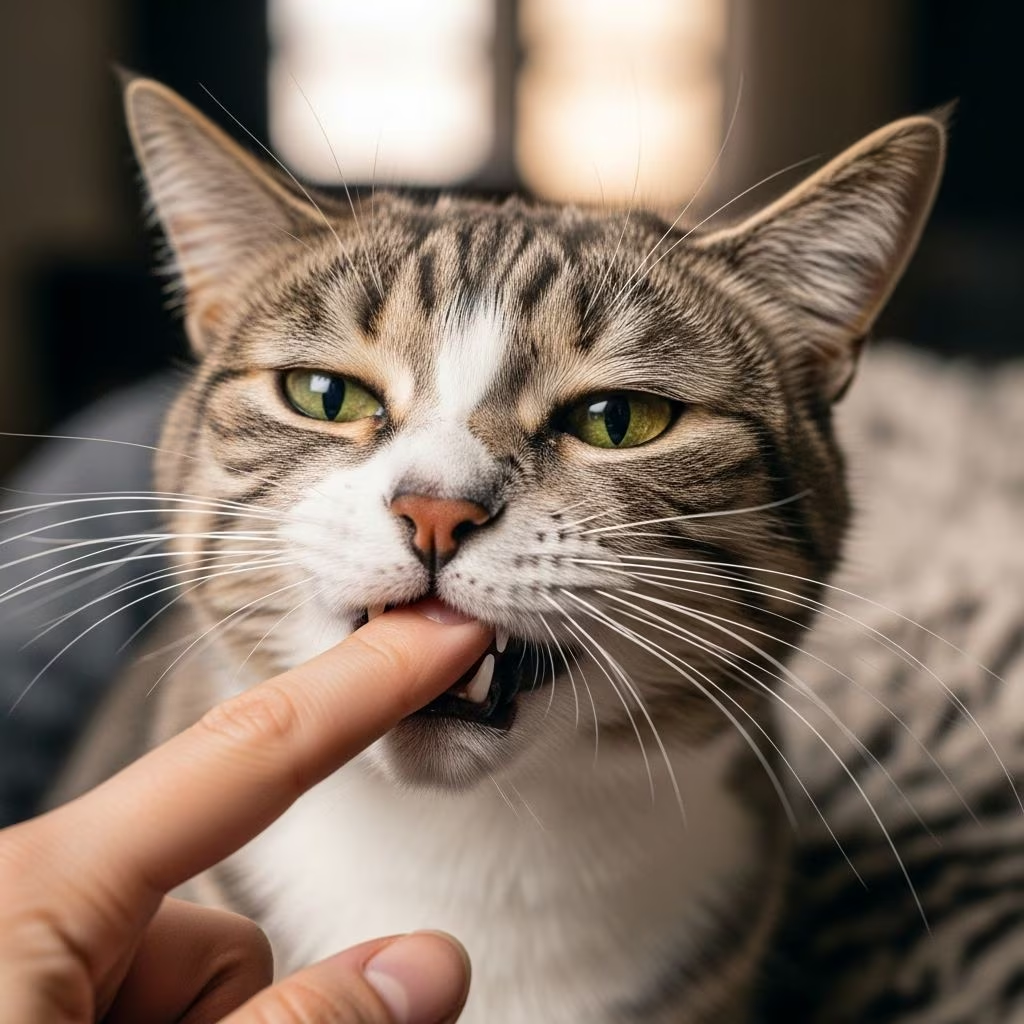
Why Is My Senior Cat Biting Me?
When your beloved senior cat suddenly develops a biting habit, it can be confusing and concerning. Unlike younger cats, senior felines don’t bite out of playfulness or aggression—they bite to communicate that something is wrong. Recognizing that your senior cat’s biting behavior is a form of communication rather than malice is the first step toward understanding and addressing the underlying issue. Whether your cat’s bites are gentle nips or more forceful incidents, understanding the root cause will help you provide the care and attention your aging companion needs.
Understanding Why Senior Cats Bite
Cats are naturally communicative creatures, and biting is one of their primary methods of expressing themselves when other signals fail. For senior cats, biting often indicates that something is amiss—whether it’s physical discomfort, sensory changes, or cognitive issues. Unlike younger cats that might bite during play or out of overstimulation, senior cat biting behaviors typically signal an underlying medical or emotional concern that deserves immediate attention.
According to certified cat behavior specialists, biting behavior in senior cats should never be dismissed as simple aggression or personality changes. Instead, view it as your cat’s way of telling you that they need help. This communication may stem from pain, frustration, fear, or even confusion related to aging.
Your Cat Is in Pain
One of the most common reasons senior cats bite is because they are experiencing pain. As cats age, their bodies undergo significant changes that can cause considerable discomfort. Understanding these pain-related causes can help you better respond to your cat’s needs.
Osteoarthritis and Joint Problems
Osteoarthritis is remarkably prevalent in aging cats. Research shows that approximately 60% of cats as young as 6 years old already have some degree of osteoarthritis, making it one of the most common conditions affecting senior felines. This degenerative joint disease causes stiffness and soreness in the joints, making even simple movements painful.
When your senior cat has osteoarthritis, activities they once enjoyed—like being petted in certain areas—can become uncomfortable. If you typically pet your cat on their back, hips, or rump, these areas may feel particularly tender to an arthritic cat. When they bite you during these interactions, they’re essentially saying, “Ouch! That spot doesn’t feel good anymore.” This is a clear pain response, not aggression.
Sensitive Areas and Loss of Muscle and Fat
As cats age, they naturally lose muscle mass and fat, particularly in areas where they have less protective padding. The back, hips, and rump become more vulnerable to pressure and touch. What felt pleasant to your younger cat may now feel uncomfortable or even painful to your senior feline due to the loss of these protective layers. This sensitivity can develop gradually, making the sudden change in your cat’s tolerance for petting confusing if you’re not aware of these age-related changes.
Other Pain-Related Conditions
Beyond osteoarthritis, several other painful conditions can prompt biting behavior in senior cats. Dental disease, which causes significant pain in the mouth and jaw, is common in older cats. Hyperthyroidism and other metabolic disorders can also cause discomfort and irritability. When your senior cat experiences any form of chronic pain, biting may be their only way to communicate their distress, especially if they’re already less mobile or less able to move away from uncomfortable situations.
Your Cat Can’t See, Hear, or Smell Very Well
Sensory decline is a natural part of aging for cats, just as it is for humans. While cats are naturally gifted hunters with incredible sensory abilities, these senses deteriorate over time. This sensory loss can significantly impact your cat’s behavior and lead to biting incidents you might not expect.
How Sensory Decline Affects Behavior
As your senior cat’s vision, hearing, and sense of smell decline, they become less aware of their surroundings. This reduced awareness can make them feel vulnerable and anxious. When cats feel vulnerable, they may resort to defensive behaviors, including biting. Your senior cat might startle more easily, flinch when you approach, or seem overly sensitive to petting simply because they didn’t see or hear you coming.
Fear and Aggression Response
Sensory decline often manifests as increased fear and aggression. If your cat doesn’t see you approaching to pet them, they may perceive your touch as a sudden threat. In this state of fear or confusion, a bite becomes a defensive mechanism. What might appear as unprovoked or random aggression is actually your cat’s attempt to protect themselves from what they perceive as a threat due to their compromised senses.
Creating a Safer Environment
Understanding this sensory decline can help you adapt your interactions with your senior cat. Move slowly and deliberately around your cat, give them time to notice your presence, and avoid surprising them with sudden touches. Verbal cues and allowing your cat to see your hands before you pet them can help reduce defensive biting incidents related to sensory decline.
Your Cat Is Overstimulated
Overstimulation is a common reason cats of any age bite, but it manifests differently in senior cats. Understanding the signs of overstimulation and how to prevent it can significantly reduce biting incidents.
Recognizing Overstimulation in Senior Cats
Many cat owners experience the confusing transition where their cat seems to be enjoying being petted one moment and then suddenly bites the next. This isn’t random or malicious—it’s overstimulation. While it may feel like the bite came out of nowhere, there are usually subtle warning signs that precede it:
- Tail flicking or swishing back and forth
- Ears flattening or pointing backward
- Skin rippling along the back
- Tensing of the body
- Moving away from your hand or attempting to retreat
For senior cats, overstimulation may occur more quickly than with younger cats due to their decreased energy levels and increased sensitivity to touch. They may tolerate only a few strokes before reaching their threshold, whereas they might have tolerated extended petting sessions in their youth.
How to Prevent Overstimulation Biting
If your cat displays any of these body language cues, the best response is to immediately stop petting and let them calm down. Pay attention to how many strokes your senior cat tolerates before showing signs of overstimulation. Some senior cats prefer very brief, gentle petting sessions rather than prolonged attention. Additionally, focus petting on areas they tolerate best—typically the head, cheeks, and chin—rather than the sensitive back and hindquarters.
Your Cat Isn’t Getting Enough Stimulation
While overstimulation causes biting in one scenario, understimulation causes it in another. Some senior cats bite to get your attention if they haven’t had enough play, hunting, or mental stimulation.
The Importance of Play for Senior Cats
Even though senior cats are less active than their younger counterparts, they still need regular mental and physical stimulation. Without adequate enrichment, senior cats may become bored, anxious, or frustrated—emotions that can manifest as biting behavior. Your senior cat may bite you as a way of saying, “I need to engage with something interesting.”
Low-Impact Activities for Senior Cats
You can help meet your senior kitty’s need for play with low-impact activities that don’t strain their aging joints. Consider the following options:
- Interactive toys that encourage stalking and pouncing without requiring full-body exertion
- Puzzle feeders that provide mental stimulation during mealtime
- Window perches where your cat can observe outdoor activity
- Treat-dispensing toys that encourage problem-solving
- Laser pointers used carefully and briefly for chase games
- Feather wands or string toys for interactive play sessions
These activities provide the hunting simulation cats crave while accounting for your senior cat’s reduced mobility and energy levels. Even short, frequent play sessions can significantly reduce biting behavior related to boredom or frustration.
Your Cat Has Cognitive Decline
Cognitive decline in cats, similar to Alzheimer’s disease in humans, becomes increasingly common as cats age. This condition can bring significant behavioral changes, including increased aggression and biting.
Understanding Feline Cognitive Dysfunction
Feline cognitive dysfunction (FCD) affects a significant percentage of senior cats, with research suggesting that most senior cats exhibit at least one clinical sign of cognitive dysfunction. This progressive condition affects memory, perception, and awareness, leading to confusion and behavioral changes that can include aggression and biting.
Unlike pain-related aggression or overstimulation, aggression from cognitive decline may seem random or disconnected from any obvious trigger. Your cat might bite without warning, may not recognize familiar people, or may act disoriented and confused.
Management and Treatment Options
While cognitive decline cannot be reversed or cured, medications and home adjustments can help ease symptoms. Prescription medications like selegiline may help improve cognitive function and reduce behavioral problems. Additionally, environmental modifications—such as maintaining consistent routines, ensuring easy access to litter boxes and food, and providing a calm, predictable environment—can help minimize confusion and reduce aggressive behaviors.
Certain dietary supplements with antioxidants and nutrients to support brain function may also help maintain normal cognitive function in aging cats, though most commercial cat foods don’t contain optimal levels of these compounds.
Your Cat Has Another Underlying Medical Issue
Beyond pain and cognitive decline, numerous other medical conditions can cause or contribute to biting behavior in senior cats. Any health problem that leaves your cat feeling “off” can lead them to express themselves in new ways, including biting.
Common Medical Causes of Aggression in Senior Cats
The most common medical causes of aggression in senior cats include:
- Hyperthyroidism: This overactive thyroid condition causes nervousness, irritability, and aggression
- Dental Disease: Severe tooth and gum problems cause significant pain and can lead to behavioral changes
- Diabetes: This metabolic disorder can cause irritability and changes in behavior
- Urinary Tract Disease: Painful urination and urinary issues can make cats irritable and aggressive
- Cancer and Tumors: Particularly brain tumors that affect behavior and cognition
- Central Nervous System Problems: Various neurological issues can manifest as aggression
- Sensory Impairment: Loss of vision, hearing, or both can lead to fear-based aggression
The Importance of Veterinary Evaluation
Because biting behavior in senior cats often stems from underlying medical issues, the first step in addressing the problem should always be a thorough veterinary examination. Your veterinarian can run appropriate tests, including blood work and imaging, to rule out or identify medical causes of the aggression. Once medical issues are identified and treated, behavioral improvement often follows naturally.
When to Call Your Veterinarian
If your senior cat begins biting you, take them to the vet to rule out illnesses and medical conditions. Don’t wait for the behavior to worsen or become a pattern. Early intervention can identify treatable conditions and prevent the biting from becoming a chronic behavioral issue.
Schedule a veterinary appointment if you notice:
- Sudden changes in biting behavior
- Increased frequency or severity of bites
- Biting accompanied by other behavioral changes
- Signs of pain, limping, or reduced mobility
- Changes in appetite, litter box habits, or sleep patterns
- Disorientation or confusion
Understanding Your Senior Cat’s Communication
The key to managing biting behavior in senior cats is recognizing that they’re communicating something important through this behavior. Your cat isn’t trying to hurt you—they’re trying to tell you that something is wrong. By working with your veterinarian to identify the underlying cause and making appropriate adjustments to your cat’s environment and care routine, you can address the root issue rather than simply punishing the behavior.
Remember that senior cats often experience multiple age-related changes simultaneously. Your cat might have arthritis AND sensory decline AND cognitive dysfunction all at once. A comprehensive approach that addresses all of these potential issues offers the best chance for improvement.
Creating a Comfortable Environment for Your Aging Cat
Beyond addressing specific medical issues, creating an environment that accommodates your senior cat’s changing needs can significantly reduce stress and biting incidents. Ensure your cat has:
- Easy access to litter boxes on multiple levels of your home
- Comfortable bedding and resting spots
- Quiet spaces away from chaos and other pets
- Consistent daily routines
- Regular but gentle interaction on their terms
- Mental stimulation through enrichment activities
- Pain management if they have arthritis or other painful conditions
Frequently Asked Questions (FAQs)
Q: Is my senior cat’s biting a sign of aggression or dementia?
A: Biting in senior cats is rarely simple aggression. It’s usually a sign of communication about pain, cognitive decline, sensory loss, or other underlying health issues. A veterinary examination can help determine the specific cause.
Q: Can I stop my senior cat from biting without seeing a vet?
A: It’s not recommended to assume behavioral causes without first ruling out medical issues. Many cases of senior cat biting have underlying health causes that require veterinary treatment. Always consult your vet first.
Q: How can I pet my senior cat without triggering bites?
A: Focus on petting the head, cheeks, and chin rather than the back and hindquarters. Keep sessions brief, watch for warning signs like tail flicking, and stop immediately if your cat shows any discomfort. Always allow your cat to initiate interaction.
Q: Is osteoarthritis common in senior cats?
A: Yes, approximately 60% of cats as young as 6 years old have some degree of osteoarthritis, making it one of the most common painful conditions in aging cats.
Q: What should I do if my senior cat bites me?
A: Wash the bite with soap and water, monitor for infection, and schedule a veterinary appointment for your cat. Avoid punishing your cat, as this increases fear and stress, potentially worsening the behavior.
Q: Can medication help with senior cat biting behavior?
A: Yes, depending on the underlying cause. Medications can treat pain, manage hyperthyroidism, improve cognitive function, or address other medical conditions contributing to biting behavior.
Q: How is feline cognitive dysfunction diagnosed?
A: Your veterinarian will perform a physical examination and may recommend blood work, imaging, or other diagnostic tests to rule out medical causes. Cognitive dysfunction is often a diagnosis of exclusion after other conditions are ruled out.
Q: Can I use toys to redirect my senior cat’s biting behavior?
A: Yes, providing appropriate toys and engaging in low-impact play can help redirect energy and provide mental stimulation, especially for cats not getting enough enrichment. This is most effective when combined with identifying and treating any underlying medical issues.
References
- Why Is My Senior Cat Biting Me? — Chewy Education. 2025. https://www.chewy.com/education/cat/training-and-behavior/why-is-my-senior-cat-biting-me
- Older Cats with Behavior Problems — ASPCA Pet Care. Accessed 2025. https://www.aspca.org/pet-care/cat-care/common-cat-behavior-issues/older-cats-behavior-problems
- Feline Behavior Problems: Aggression — Cornell University College of Veterinary Medicine. Accessed 2025. https://www.vet.cornell.edu/departments-centers-and-institutes/cornell-feline-health-center/health-information/feline-health-topics/feline-behavior-problems-aggression
- Aging Cats: Behavior Changes, Problems, and Treatments — WebMD Pets. Accessed 2025. https://www.webmd.com/pets/cats/old-cat-behavior
- Why does my cat bite me? — Cats Protection Blog. Accessed 2025. https://www.cats.org.uk/cats-blog/why-does-my-cat-bite-me



