
Why Is My Old Cat Wheezing? 8 Causes, Signs And Care Tips
Understanding the causes of wheezing in senior cats and when to seek veterinary care.
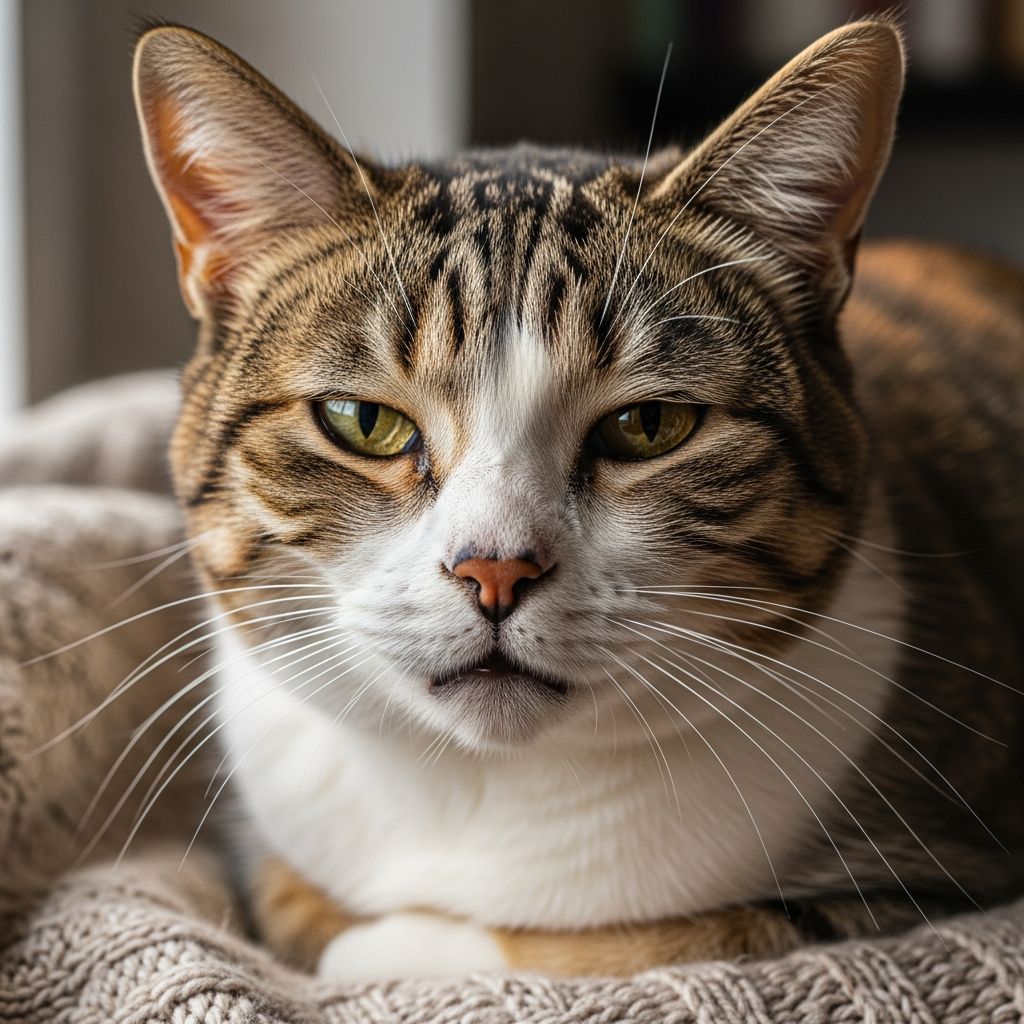
Why Is My Old Cat Wheezing?
If you’ve noticed your senior cat making unusual wheezing or coughing sounds, you’re not alone. Wheezing in older cats is a concerning symptom that can indicate various underlying health conditions. Understanding what causes these sounds and when they require veterinary attention is crucial for maintaining your aging cat’s quality of life and ensuring timely treatment. Wheezing can range from occasional minor episodes to persistent, severe breathing difficulties that signal a medical emergency.
Understanding Wheezing in Cats
Wheezing is a whistling or rattling sound that occurs when air is forced through narrowed airways. When you hear your cat wheeze, the sound indicates that air is being pushed out of the lower airways and through constricted tubes in the respiratory system. In most cases, wheezing indicates a lower airway problem affecting the bronchi and lungs, rather than an upper airway issue involving the nose and pharynx.
It’s important to distinguish wheezing from other respiratory sounds. Stridor, for example, is a high-pitched and noisy sound that can occur during either exhalation or inhalation and is usually caused by a respiratory obstruction. Stridor in cats can result from various causes including foreign bodies lodged in the airway and bacterial infections. Understanding the type of sound your cat is making can help your veterinarian narrow down the potential diagnosis.
Common Causes of Wheezing in Old Cats
When your veterinarian evaluates your older cat’s wheezing, they will consider several common conditions that affect aging felines. Here are the primary causes to be aware of:
Feline Asthma
Asthma is the most common cause of wheezing in cats of all ages, including seniors. This chronic inflammatory condition affects the airways, causing them to become inflamed and narrow. Asthmatic cats typically display episodes of wheezing, coughing, and labored breathing. During an asthma attack, you may notice your cat assuming a characteristic posture—squatting with shoulders hunched up and neck extended while coughing and gagging up foamy, mucus-like material before swallowing hard.
Feline asthma can be triggered or worsened by various environmental allergens and irritants. Common triggers include:
– Pollen and dust- Mold and mildew spores- Cigarette smoke and incense- Household fragrances and aerosols- Scented cat litter- Stress and seasonal changes
The good news is that feline asthma is highly treatable. Your veterinarian may prescribe inhaler therapy and medications to reduce airway inflammation, significantly improving your cat’s breathing and quality of life. Identifying and minimizing exposure to your cat’s specific triggers can also help manage symptoms effectively.
Heart Disease
Heart disease is a significant concern in older cats and frequently correlates with thyroid problems in senior felines. Congestive heart failure can cause wheezing, coughing, and difficulty breathing. Additional symptoms may include lethargy, sluggish behavior, and reduced activity levels. If your cat is experiencing these signs alongside wheezing, prompt veterinary evaluation is essential. The encouraging news is that heart disease is treatable, and early detection combined with an appropriate treatment plan can help your cat manage the condition and maintain a good quality of life.
Respiratory Infections
Upper respiratory infections caused by viral or bacterial pathogens can lead to wheezing in cats. Viral infections like feline herpesvirus and calicivirus are particularly common causes. When your cat has a respiratory infection, wheezing typically accompanies other symptoms such as sneezing, runny nose, watery eyes, nasal congestion, and coughing. Some cats may also develop a fever. When caught early, respiratory infections are relatively straightforward to treat, often requiring supportive care and sometimes antiviral or antibiotic medications depending on the underlying cause.
Heartworm Disease
Though less common in cats than in dogs, heartworm disease can affect felines and cause serious respiratory problems. Heartworms are parasites that live in the blood vessels of the lungs and heart. This condition, known as Heartworm-Associated Respiratory Disease (HARD), can cause wheezing, coughing, lethargy, and loss of appetite. The condition can progressively worsen over time, making early detection and treatment critical. If you suspect your cat may have been exposed to heartworms, discuss prevention and testing options with your veterinarian.
Lung Tumors and Cancer
Unfortunately, lung cancer and other tumors can develop in older cats and cause wheezing as a symptom. Lung tumors, nasal tumors, and certain types of oral cancer may all contribute to respiratory difficulties. If your cat is experiencing persistent breathing problems, unexplained weight loss, or decreased energy levels, it’s important to have them evaluated by your veterinarian. Early detection of cancer can help determine the best treatment options available for your individual cat.
Fluid Around the Lungs
Pleural effusion, or fluid accumulation around the lungs, can develop secondary to various conditions and cause wheezing and breathing difficulties. This condition requires veterinary diagnosis and treatment to determine the underlying cause and manage the fluid buildup appropriately.
Pneumonia
Pneumonia, an infection or inflammation of the lung tissue, is another common concern in older cats that can cause wheezing. This condition requires prompt veterinary treatment with appropriate medications to prevent complications and support your cat’s recovery.
Allergies and Environmental Irritants
Just like humans, cats can suffer from allergies affecting their respiratory system. Common allergens for cats include pollen, dust mites, and certain foods. Additionally, environmental irritants such as strong chemical cleaners, air fresheners, and cigarette smoke can irritate your cat’s airways, triggering wheezing episodes. If you notice your cat starts wheezing after you light a candle or use strong cleaning products, environmental irritation may be the culprit. Reducing exposure to identified irritants can significantly improve your cat’s symptoms.
Warning Signs and Symptoms to Monitor
While wheezing itself indicates a respiratory issue, certain accompanying symptoms warrant immediate veterinary attention. Be vigilant for the following warning signs:
– Frequent wheezing or persistent coughing- Open-mouth breathing or gasping for air- Struggling to breathe or rapid breathing (more than 40 breaths per minute at rest)- Low energy, lethargy, or unusual inactivity- Loss of appetite or decreased water intake- Runny nose, sneezing, or nasal discharge- Bluish tint to the gums or tongue (indicating oxygen deprivation)- Heavy or labored breathing patterns
If your cat displays any of these symptoms or shows signs of respiratory distress, contact your veterinarian immediately. Some of these signs indicate serious conditions requiring urgent medical intervention.
When to Seek Veterinary Care
While occasional mild wheezing might not always indicate an emergency, it’s important to establish a baseline for your cat’s normal breathing patterns. You should schedule a veterinary appointment if:
– Your cat develops new or worsening wheezing- Wheezing persists for several days without improvement- Your cat shows difficulty breathing or open-mouth breathing- Wheezing is accompanied by other symptoms like lethargy or appetite loss- Your cat appears uncomfortable or distressed
Seek emergency veterinary care immediately if your cat experiences severe respiratory distress, cannot catch their breath, has blue-tinged gums, or appears to be in acute distress. These signs indicate a medical emergency requiring urgent professional evaluation and treatment.
Diagnostic Process
When you bring your wheezing cat to the veterinarian, they will perform a thorough physical examination and may recommend additional diagnostic tests. Common diagnostic procedures include chest radiographs (X-rays) to visualize the lungs and heart, blood work to evaluate organ function and rule out systemic conditions, and sometimes ultrasound imaging. In some cases, your veterinarian may recommend specialized testing like bronchoscopy to directly visualize the airways or heartworm testing to rule out parasitic infection. These diagnostics help your veterinarian identify the underlying cause of wheezing and develop an appropriate treatment plan.
Treatment Options for Wheezing Cats
Treatment for wheezing depends entirely on the underlying diagnosis. For asthma, your veterinarian may prescribe inhaler therapy with corticosteroids or bronchodilators to reduce inflammation and open airways. Heart disease may require medications to support cardiac function and reduce fluid accumulation. Respiratory infections typically respond to antiviral or antibiotic therapy depending on whether a viral or bacterial pathogen is responsible. Environmental management—such as using unscented litter, minimizing dust, and avoiding smoke—can significantly help cats with asthma or allergies. Your veterinarian will develop a personalized treatment plan based on your cat’s specific diagnosis and medical history.
Managing Your Senior Cat’s Respiratory Health
Supporting your older cat’s respiratory health involves several proactive steps. Maintain a clean home environment with good air quality by using air purifiers and minimizing dust accumulation. Use unscented, dust-free cat litter and avoid strong fragrances, smoke, and chemical cleaners. Keep your cat at a healthy weight, as obesity can worsen respiratory issues. Provide a calm, stress-free environment, since stress can trigger asthma flare-ups. Ensure your cat receives regular veterinary check-ups, particularly important for senior cats to catch emerging health issues early.
Frequently Asked Questions
Q: Is wheezing in cats always a sign of asthma?
A: No, while asthma is the most common cause of wheezing in cats, it can also result from heart disease, respiratory infections, heartworm disease, tumors, allergies, or environmental irritants. Your veterinarian will help determine the specific cause through examination and diagnostic testing.
Q: Can an older cat recover from asthma?
A: Feline asthma is a chronic condition that cannot be cured but is highly manageable with proper treatment. Many cats respond well to inhaler therapy and medication, allowing them to breathe comfortably and enjoy an excellent quality of life.
Q: What should I do if my cat is wheezing and having difficulty breathing?
A: If your cat shows signs of respiratory distress, seek emergency veterinary care immediately. Keep your cat calm and minimize stress while transporting them to the nearest emergency veterinary clinic.
Q: How can I prevent wheezing in my senior cat?
A: While not all causes of wheezing are preventable, you can reduce risk by maintaining good home air quality, using unscented litter, avoiding smoke and strong chemicals, keeping your cat at a healthy weight, and ensuring regular veterinary care for early disease detection.
Q: Are certain cat breeds more prone to wheezing?
A: While any cat can develop wheezing, brachycephalic (flat-faced) breeds may be more susceptible to certain respiratory infections. However, asthma affects cats of all breeds and ages, including healthy senior cats.
Q: How is heart disease related to wheezing in older cats?
A: Heart disease, particularly congestive heart failure, can cause fluid to accumulate in or around the lungs, leading to wheezing, coughing, and breathing difficulty. Heart disease in older cats is often linked to thyroid problems and requires veterinary diagnosis and management.
References
- Tracheobronchitis (Bronchitis, Bronchial Asthma) in Cats – Cat Owners — Merck Veterinary Manual. 2025. https://www.merckvetmanual.com/cat-owners/lung-and-airway-disorders-of-cats/tracheobronchitis-bronchitis-bronchial-asthma-in-cats
- Cats that Cough, Hack, and Wheeze! – Feline Asthma — Seattle Veterinary Association. 2025. https://www.seattlevetassoc.com/cats-that-cough-hack-and-wheeze/
- Help Your Cat Breathe Better: Understanding Feline Asthma — Mobile Cat and Dog Vet. 2025. https://mobilecatanddogvet.com/help-your-cat-breathe-better-understanding-feline-asthma/
- Cat Wheezing: Causes, Symptoms, and When to See a Vet — Modern Veterinary Care. 2025. https://modernvetga.com/cat-wheezing-causes-symptoms-and-when-to-see-a-vet/
- Cat Wheezing: Causes and Treatment Options — Heart + Paw. 2025. https://heartandpaw.com/pet-parent-resources/cat-wheezing
- Why Does My Cat Keep Wheezing? — West Loop Veterinary Care. 2025. https://westloopvet.com/blog/cat-wheezing/
Similar Articles








Read full bio of medha deb




