

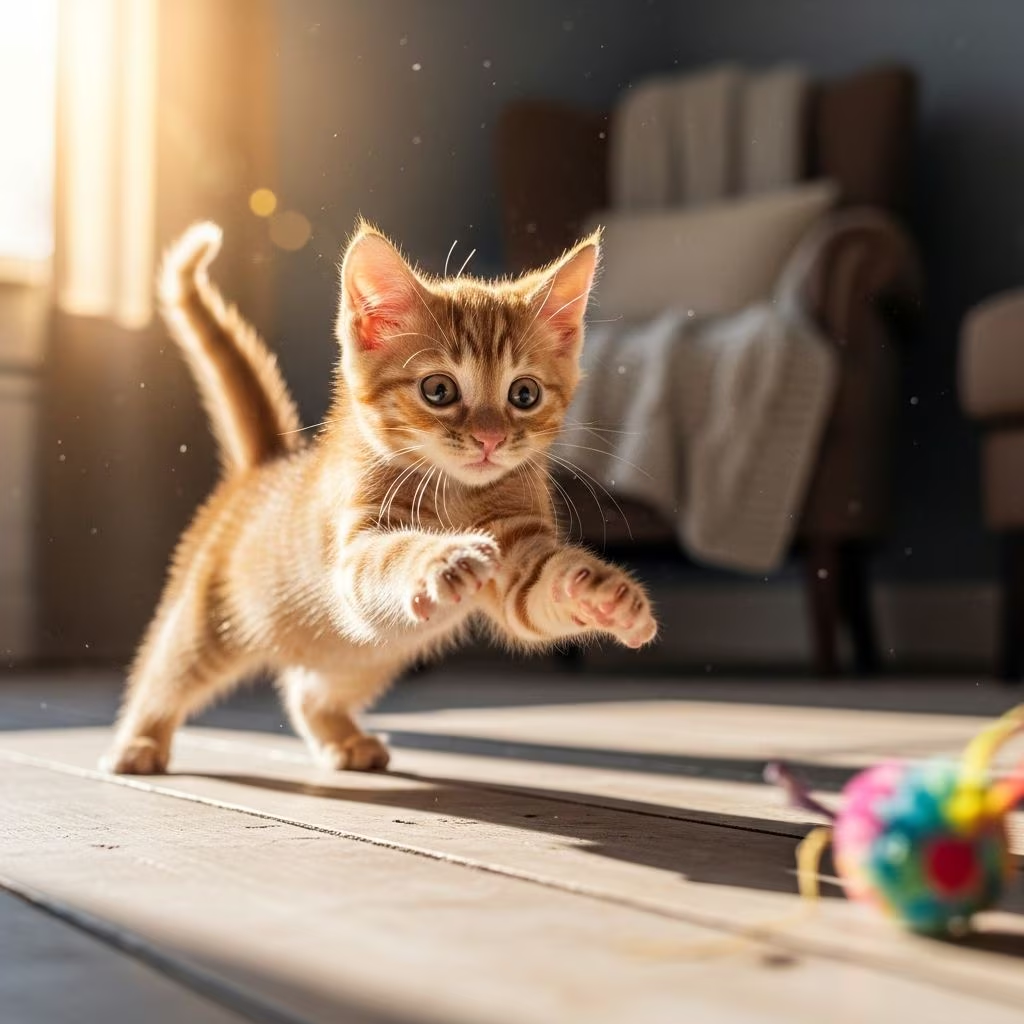
Your adorable little furball is zooming around the house, leaping off furniture, and pouncing on anything that moves. If you’re wondering why is my kitten so hyper, you’re not alone. Kitten hyperactivity is incredibly common and often a sign of healthy development, but it can sometimes indicate underlying issues. This comprehensive guide explores the reasons behind your kitten’s endless energy, how to distinguish normal behavior from excessive hyperactivity, and practical strategies to help them—and you—thrive.
Understanding kitten behavior is key to fostering a strong bond and ensuring their well-being. Kittens between 3-6 months old are at peak energy levels, practicing essential survival skills like hunting and climbing. However, with the right approach, you can channel this energy positively.
Understanding Normal Kitten Hyperactivity
Kittens are wired for action. Their hyperactivity stems from instinctual drives inherited from wild ancestors. High-energy behavior helps them develop coordination, strength, and social skills essential for adulthood.
Typical signs of normal kitten hyperactivity include:
- Chasing, jumping, sprinting, and playful pouncing
- Exploring every nook and cranny of their environment
- Mimicking predatory behaviors like stalking toys or shadows
- Sociable playfulness, including batting at hands or siblings
- Bursts of “zoomies”—sudden, frantic runs that end in exhaustion
These activities peak in the evenings due to kittens’ crepuscular (active at dawn and dusk) nature, which aligns with their natural hunting rhythm. Nocturnal tendencies mean nighttime antics are common, especially if they napped all day. Research shows this is standard for young cats learning life skills like climbing and attacking.
Play is crucial for socialization. It teaches bite inhibition, human cues, and boundaries. Without it, kittens may develop behavioral problems later. Embrace this phase—your kitten will mature into a calmer adult cat around 9-12 months, though some breeds like Bengals or Abyssinians retain higher energy lifelong.
Signs Your Kitten’s Hyperactivity Is Excessive
While most hyperactivity is benign, watch for red flags indicating potential problems. Excessive energy differs from playful bursts by its persistence, intensity, and accompanying symptoms.
| Normal Hyperactivity | Excessive Hyperactivity |
|---|---|
| Playful zoomies 1-2x daily, followed by naps | Frenzied, non-stop running without an off-switch |
| Gentle nibbling during play | Aggressive biting, hissing, or scratching people |
| Healthy appetite and grooming | Appetite loss, weight changes, poor coat quality |
| Social and curious | Lethargy, hiding, excessive vocalizing, or aggression |
Other warning signs include:
- Constant restlessness: Inability to settle, even after play
- Impulsivity: Knocking items over, destructive scratching
- Overstimulation cues: Dilated pupils, twitching tail, rippling skin, leading to bites
- Unrelenting meowing/yowling: Beyond normal hunger calls, signaling anxiety
- Obsessive behaviors: Tail-chasing, excessive grooming
Sudden changes warrant a vet visit to rule out hyperthyroidism, pain, or neurological issues. For instance, hyperthyroidism causes frantic energy alongside weight loss.
Common Causes of Hyper Kitten Behavior
1. Developmental Stage and Endless Energy
At 8-16 weeks, kittens hit an energy explosion as muscles and coordination develop. This is peak “kitten tornado” time.
2. Boredom and Lack of Stimulation
Indoor kittens need outlets for their hunter instincts. Boredom leads to hyperactivity as a self-entertaining mechanism.
3. Overstimulation or Stress
New environments, loud noises, or over-pet ting can trigger zoomies. Signs include wide eyes and tensed body.
4. Diet and Nutrition
High-carb diets or nutrient gaps fuel hyperactivity. Opt for kitten-specific food with balanced protein.
5. Medical Conditions
Though rare in kittens, issues like parasites, thyroid problems, or feline hyperesthesia mimic excess energy.
6. Breed and Genetics
Active breeds like Siamese amplify natural hyperactivity.
How to Calm a Hyperactive Kitten
Channel energy constructively rather than suppress it. Here’s a step-by-step plan:
- Scheduled Play Sessions: 15-20 minutes, 3-4x daily with wand toys, laser pointers. Mimic hunting to tire them mentally/physically.
- Enrichment Environment: Cat trees, scratching posts, puzzle feeders, window perches for bird-watching.
- Interactive Toys: Balls, tunnels, crinkle mats. Rotate to prevent boredom.
- Daytime Activity Boost: Exhaust them before your bedtime to curb night zoomies.
- Calming Aids: Pheromone diffusers (Feliway), safe herbal supplements after vet approval.
For overstimulation, use the “lip lick, look away, leave” method: If tail twitches or ears flatten, disengage.
Training Tips
- Redirect aggression: Use toys, never hands.
- Positive reinforcement: Treats for calm behavior.
- Timeout: Quiet room for 1-2 minutes if overexcited.
Consistency pays off. Most kittens mellow by 9 months with routine.
When to See a Vet
Consult a professional if hyperactivity pairs with:
- Sudden onset or escalation
- Appetite/weight changes, vomiting, diarrhea
- Lethargy alternating with bursts
- Injury from falls or self-harm
- Failure to respond to enrichment
A vet can check for worms, thyroid, or pain via bloodwork. Early intervention prevents chronic issues.
Frequently Asked Questions (FAQs)
Is it normal for my kitten to be hyper at night?
Yes, kittens are crepuscular, most active dawn/dusk. Tire them with evening play.
When do kittens calm down?
Around 9-12 months, though full maturity takes 2-3 years.
My kitten bites during play—how do I stop it?
Redirect to toys, yelp loudly to mimic littermates, ignore for attention-seeking.
Can diet affect hyperactivity?
Yes, balanced kitten food prevents energy spikes from poor nutrition.
Is my kitten ADHD?
Cats don’t have ADHD like humans, but similar symptoms warrant vet check for medical causes.
Embracing your hyper kitten’s energy builds a joyful companionship. With patience and the right tools, those zoomies become cherished memories.
References
- Is my kitten too hyper? | ManyPets — ManyPets. 2023. https://manypets.com/uk/articles/is-my-kitten-too-hyper/
- Decoding Feline ADHD: Everything Cat Owners Need to Know — Connect n Care ABA. 2024. https://www.connectncareaba.com/blog/decoding-feline-adhd
- Hyperactivity in Cats — Two Crazy Cat Ladies. 2023. https://twocrazycatladies.com/hyperactivity-in-cats/
- Behavior Challenges: Overexcited and Energetic Cats — San Diego Humane Society. 2024. https://sdhumane.org/resources/behavior-challenges-overexcited-and-energetic-cats/
- How to Calm Your Hyperactive Kitten Down? — MissyMoMo. 2023. https://missymomo.com/blogs/all-things-cats/how-to-calm-your-hyperactive-kitten-down
- Why Is My Kitten So Hyper? — Canna-Pet. 2023. https://canna-pet.com/articles/why-is-my-kitten-so-hyper/
- Is My Kitten too Hyper? — PetMD. 2024. https://www.petmd.com/cat/behavior/my-kitten-too-hyper



