

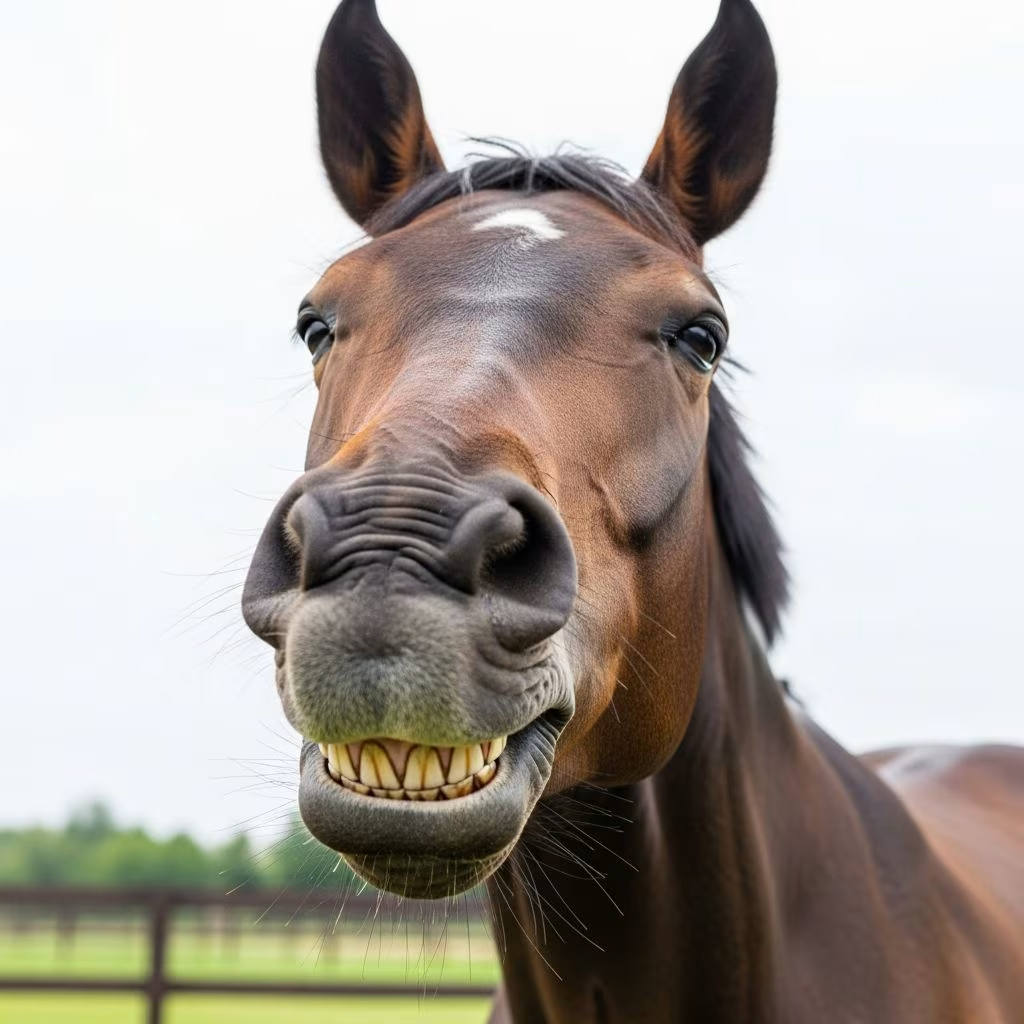
Why Is My Horse Smiling? Understanding Equine Facial Expressions
If you’ve spent time around horses, you’ve likely witnessed one of their most charming quirks—the moment they curl back their upper lip, revealing their teeth in what appears to be a smile. For many horse owners, this behavior sparks curiosity and wonder. Are they happy? Are they laughing? Is this a sign of contentment or something else entirely? The answer to these questions lies in understanding the complex world of equine body language and the various behaviors that can mimic human expressions.
While horses don’t laugh the way humans do, they do express themselves through a variety of fascinating behaviors that can look remarkably like smiling, laughing, or yawning. Understanding these behaviors not only helps you communicate better with your horse but also ensures you can recognize signs of stress, discomfort, or genuine contentment. This comprehensive guide explores the various reasons why your horse might appear to be smiling and what these expressions actually mean.
Can Horses Actually Laugh?
One of the most common questions horse enthusiasts ask is whether horses can genuinely laugh. According to animal behaviorists and equine experts, horses don’t laugh in the way humans do. However, research demonstrates that horses are highly intelligent, emotionally aware animals capable of experiencing and expressing a range of emotions.
Horses are excellent observers of their environment and can distinguish between different human emotional states. Studies show that horses can differentiate between joyful and angry human facial expressions and voices, suggesting they have a sophisticated understanding of emotion. While horses may experience emotions associated with joy or amusement, they don’t express these feelings through laughter or vocalizations.
Interestingly, horses do engage in play behavior—which is actually where the term “horseplay” originates. Their playful nature and keen observations of their surroundings might lead us to believe they’re laughing at our antics, but what we interpret as equine laughter is typically a misunderstanding of their various behavioral responses to different stimuli.
The Flehmen Response: Understanding the “Horse Smile”
The most common reason horses appear to smile is through a behavior called the Flehmen response. This distinctive behavior involves a horse lifting its head, curling back its upper lip, and inhaling deeply. While it might look like the horse is making a funny face or grinning, the Flehmen response is actually a highly specialized sensory mechanism that serves an important biological function.
How the Flehmen Response Works
Horses possess a specialized sensory organ called the vomeronasal organ, also known as Jacobson’s organ, located in their nasal cavity. This remarkable organ helps horses detect pheromones and other chemical signals in their environment. When a horse curls its lip back during the Flehmen response, it facilitates the transfer of scent molecules into this specialized organ, allowing the horse to gather crucial information about its surroundings.
By performing the Flehmen response, horses can detect pheromones related to reproduction, environmental changes, and other important chemical signals. This sensory capability gives horses an extraordinary ability to “read” their environment in ways humans cannot comprehend. The behavior essentially allows horses to “smell smarter” by directing scent molecules into their vomeronasal organ more efficiently.
When Do Horses Display the Flehmen Response?
The Flehmen response occurs in various situations, and recognizing these contexts helps horse owners better understand their animals:
Detecting New or Unfamiliar Scents: When horses encounter novel smells—such as new feed ingredients, supplements, or environmental odors like fresh paint or smoke—they often display the Flehmen response to investigate these unfamiliar scents.
Reproductive Behavior: Stallions frequently display the Flehmen response when determining whether a mares in heat. The term “stud laugh” actually refers to this behavior, as stallions use the vomeronasal organ to detect pheromones that indicate reproductive readiness. Interestingly, mares also display this behavior, though it’s often more associated with stallion behavior.
Curiosity and Exploration: Horses are naturally inquisitive animals and may use the Flehmen response to investigate unfamiliar objects, new pasture companions, or changes in their environment. This behavior reflects their intelligent, exploratory nature.
Personal Care Products: If your horse frequently displays the Flehmen response after you touch them, it’s likely related to your cologne, perfume, or other personal care products rather than a sense of humor about your appearance.
Is the Flehmen Response Normal?
Yes, the Flehmen response is completely normal equine behavior. It’s not a sign of aggression, illness, or distress. Instead, it represents healthy sensory exploration. Both male and female horses of all ages display this behavior, though it tends to be more frequent in stallions and geldings show it less frequently than other mature horses. Any horse might display the Flehmen response when encountering a novel scent, demonstrating that this behavior is a universal aspect of equine communication and sensory perception.
Other Behaviors That Look Like Smiling
Long Yawning and the “Release”
Another behavior that horse owners sometimes mistake for laughing or smiling is yawning. However, equine yawning serves very different purposes than human yawning. While humans typically yawn when drowsy, horses may yawn when receiving calming medications or when experiencing stress.
Many trainers and equine care professionals refer to yawning as a “release”—a behavior that helps horses relieve tension and anxiety. The neck-stretching, mouth-opening gesture associated with this release resembles a human yawn but actually signals the release of stress rather than drowsiness. After bodywork, acupuncture, or massage therapy, horses commonly shake their heads and yawn as they process the treatment and release tension held in their muscles.
This yawning response is related to the release of endorphins and oxytocin, chemicals that promote relaxation and well-being. Horses experiencing these sensations often feel a tingling-down-their-spine sensation, and the yawn helps them process and release this energy. If you notice your horse yawning frequently, particularly after therapeutic treatments, it’s actually a positive sign that they’re releasing stress and tension.
The Pleasure Face: A Sign of Genuine Contentment
While horses may not laugh, they do have what equine behaviorists call a “pleasure face.” This expression is distinct from the Flehmen response and represents genuine contentment and relaxation. During a pleasure face, horses stick out their noses in a distinctive manner, extending their upper lip far past their lower lip with visible trembling or twitching motions.
The pleasure face most commonly occurs when horses are engaged in mutual grooming or when they’re being scratched in itchy spots they cannot reach themselves, such as their withers. This behavior reflects genuine enjoyment and contentment, making it a wonderful indicator of a happy horse.
To encourage this pleasurable expression and deepen your bond with your horse, try scratching your horse’s withers or other hard-to-reach areas. Most horses will respond with this distinctive pleasure face, indicating their appreciation and contentment. This simple interaction provides both physical relief and emotional pleasure for your equine companion.
Reading Your Horse’s Overall Expression
Beyond the Flehmen response and pleasure face, horses communicate happiness and well-being through their overall facial expression and body language. A genuinely happy horse displays characteristic features including sleepy, soft eyes and floppy ears. Their lips often appear stretched out in a manner that resembles a gentle smile, creating an overall expression of contentment and relaxation.
Happy horses are typically curious, alert, and enjoy human company. They have a big appetite and demonstrate an easygoing temperament. These animals are a pleasure to be around and clearly communicate their contentment through their behavior and interactions with their handlers.
It’s important to note that horses are excellent communicators and cannot hide genuine discomfort or unhappiness. If your horse is experiencing pain, illness, or stress, these conditions will manifest in their behavior and expression. Grumpy behavior under saddle or on the ground often indicates an underlying physical or emotional condition that requires attention.
Understanding Context and Individual Differences
Like humans, horses are individuals with unique personalities and communication styles. While understanding common equine behaviors provides valuable insights, it’s equally important to learn your individual horse’s particular expressions and behavioral patterns. Spend time observing your horse in various situations to develop a deeper understanding of what their specific expressions mean.
Additionally, horses are astute readers of human emotion and can interpret your facial expressions and mood. Research demonstrates that horses can discriminate between cheerful and angry human facial expressions and remember those expressions in future interactions. If you visit the stable in a bad mood on multiple occasions, your horse may avoid you on subsequent visits, even if your mood has improved.
This remarkable ability to read human emotion means that your horse is constantly observing and responding to your state of mind. Approaching your horse with calm, positive energy creates a stronger bond and more positive interactions.
Frequently Asked Questions About Horse Smiling
Q: Why do horses curl their lips up?
A: The most common reason horses curl their lips up like they’re “smiling” is the Flehmen response. This behavior allows horses to direct scent molecules into their vomeronasal organ, a specialized sensory structure that helps them detect pheromones and other chemical signals in their environment.
Q: Is horse smiling a sign of happiness?
A: Not necessarily. While the pleasure face can indicate contentment, the most common “smile”—the Flehmen response—is a sensory behavior, not an expression of emotion. However, a genuinely happy horse displays soft eyes, floppy ears, and an overall relaxed facial expression.
Q: Can a horse’s smile indicate pain or illness?
A: The Flehmen response itself is not a sign of pain or illness. However, horses experiencing discomfort may display other behavioral changes. It’s important to monitor your horse’s overall behavior, appetite, and interaction patterns for signs of underlying health issues.
Q: Why does my horse smile after I touch them?
A: If your horse displays the Flehmen response after you touch them, it’s likely because they’re reacting to your cologne, perfume, or other personal care products. This is normal sensory exploration and not a behavioral response to your touch itself.
Q: How can I tell if my horse is genuinely happy?
A: Look for signs of contentment including curiosity, alertness, good appetite, soft and sleepy eyes, floppy ears, and an easygoing temperament. Happy horses enjoy human company and demonstrate their contentment through their overall behavior and interaction patterns.
Q: What should I do if my horse yawns frequently?
A: Frequent yawning, especially after therapeutic treatments, is often a positive sign that your horse is releasing tension and stress. However, if yawning is accompanied by other behavioral changes or signs of discomfort, consult with your veterinarian to rule out underlying health issues.
Conclusion
While horses don’t laugh or smile in the way humans do, they communicate through a fascinating array of behaviors that can resemble human expressions. The Flehmen response, often mistaken for a smile or laugh, is actually a sophisticated sensory mechanism that allows horses to gather crucial information about their environment. The pleasure face represents genuine contentment and joy, while yawning serves as a stress-release mechanism.
Understanding these behaviors deepens your connection with your horse and helps you recognize the nuances of equine communication. By observing your horse’s facial expressions and body language in context, you’ll develop a richer understanding of their emotional state and well-being. Remember that horses are highly intelligent, emotionally aware animals capable of reading your mood and forming meaningful bonds with the humans in their lives. The next time your horse appears to smile, you’ll now know exactly what they’re experiencing and communicating.
References
- Why Is My Horse Laughing? Is This Normal? — Chewy Education. 2024. https://www.chewy.com/education/horse/training-and-behavior/horse-laughing
- Why Do Horses Show Their Teeth? Understanding Equine Behavior — Mid South Horse Review. 2024. https://www.midsouthhorsereview.com/why-do-horses-show-their-teeth-understanding-equine-behavior
- What is the Flehmen Response in Horses? Understanding Equine Sensory Behavior — Mad Barn. 2024. https://madbarn.ca/flehmen-response-in-horses/
- Flehmen: The Horse with the Upturned Lip — Kentucky Equine Research. 2023. https://ker.com/equinews/flehmen-horse-upturned-lip/
- A Happy Horse Makes for a Happy Owner: Understanding Equine Happiness Indicators — Medallion Equine. 2024. https://medallionequine.com/blog/a-happy-horse-makes-for-a-happy-owner-but-just-how-happy-is-your-horse/



