

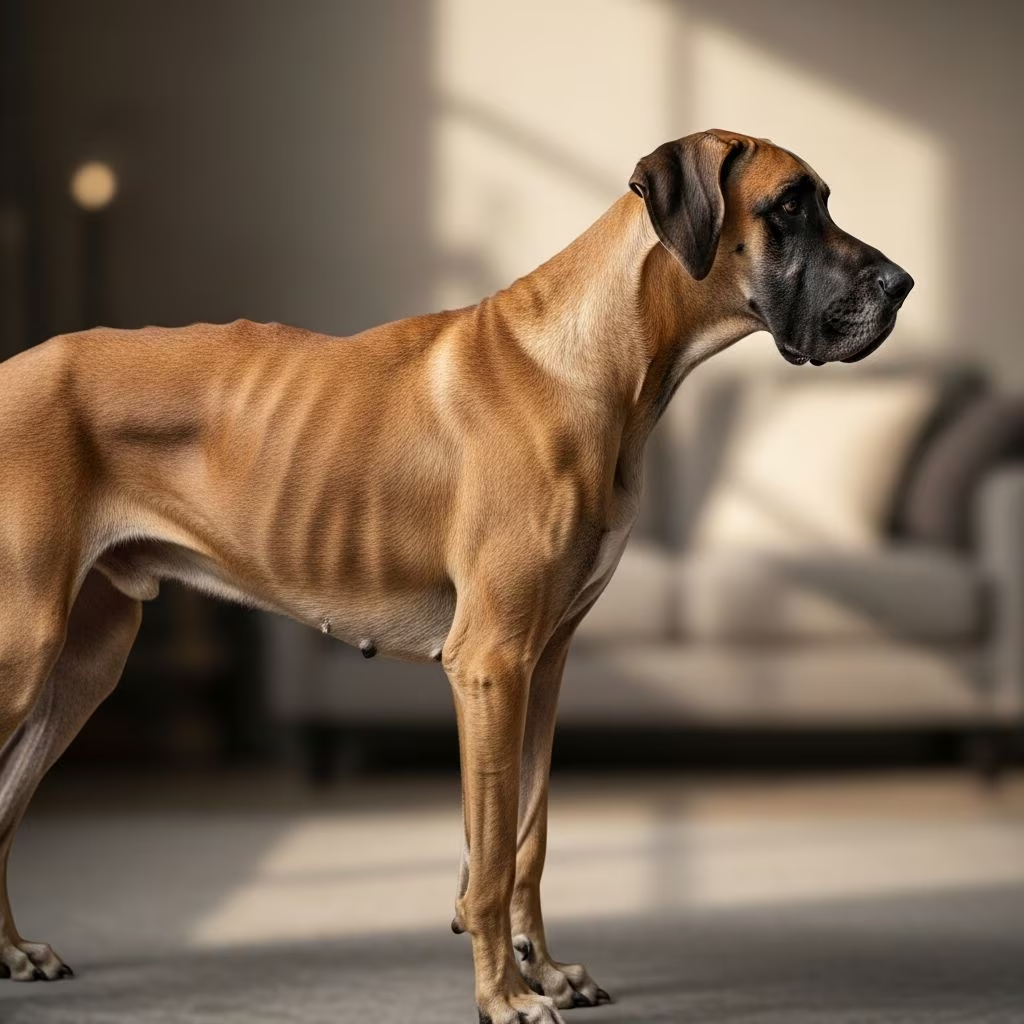
Great Danes, as one of the largest dog breeds, require substantial nutrition to maintain their impressive frames and high energy needs. If your Great Dane appears unusually thin, with visible ribs, prominent hip bones, or a lack of muscle tone, it could signal an underlying problem ranging from simple dietary oversights to serious medical conditions. Identifying the cause early is crucial for restoring health and preventing long-term complications.
Assessing Your Great Dane’s Body Condition
Before panicking, objectively evaluate your dog’s weight status using the Body Condition Score (BCS), a standard tool recommended by veterinary experts. View your dog from above for a visible waist and from the side for an abdominal tuck. Feel the ribs—they should be palpable without excessive pressure. On a 9-point BCS scale, scores of 1-3 indicate underweight status.
- Score 1: Ribs, spine, and hips extremely prominent; no fat cover.
- Score 2: Ribs easily seen; minimal fat; waist sharply tucked.
- Score 3: Ribs palpable with slight fat; waist obvious but not extreme.
Adult Great Danes typically weigh 110-175 pounds, with males larger than females, but individual variation exists based on age, activity, and genetics. Puppies and seniors have unique needs—pups may seem lean during growth spurts, while older dogs slow metabolically. Track weight weekly and consult a vet if below ideal range.
Nutritional Shortfalls in Giant Breeds
Great Danes demand 2,000-3,000 calories daily depending on life stage: puppies up to 3,000+, adults around 2,500, and seniors about 2,000. Underfeeding, even unintentionally, leads to gradual weight loss. Large kibble sizes or formulas not suited for giants can cause inefficient chewing or nutrient gaps, exacerbating thinness.
| Life Stage | Daily Calories | Key Nutritional Focus |
|---|---|---|
| Puppy (up to 12 months) | 3,000+ | High protein for growth, joint support (glucosamine) |
| Adult | 2,500 | Balanced calories, large-breed formula for bone health |
| Senior | 2,000 | Lower calories, added fiber for digestion |
Switch to giant-breed-specific food ensures proper calcium-phosphorus ratios, preventing skeletal issues while promoting weight gain. Divide meals into 2-3 portions to avoid bloat, a breed risk. Supplements like omega-3s aid coat and skin health, indirectly supporting appetite.
Excessive Activity and Caloric Burn
These gentle giants can be surprisingly energetic, especially young adults. Over-exercising without caloric compensation burns fat reserves rapidly. Long runs, agility training, or constant play without increased feeding leads to lean muscle without bulk. Monitor activity: moderate walks (30-60 minutes daily) suit most, but working Danes need more.
Adjust by adding high-calorie toppers like canned food or oils to kibble. A vet can calculate precise needs using BCS and lifestyle. Avoid sudden increases to prevent gastric dilatation-volvulus (GDV).
Parasitic Infections Stealing Nutrients
Intestinal worms like roundworms, hookworms, or tapeworms compete for food, causing malabsorption, diarrhea, and visible thinness despite normal eating. Puppies and rescue dogs are prone; symptoms include pot-bellied appearance, scooting, or blood in stool.
- Prevention: Monthly dewormers from 2 weeks old, fecal tests biannually.
- Treatment: Vet-prescribed meds like pyrantel or fenbendazole; follow-up tests essential.
Unchecked parasites lead to anemia and stunted growth in pups. Great Dane owners should prioritize heartworm preventives, which often include intestinal coverage.
Gastrointestinal Disorders and Poor Digestion
Dogs with chronic diarrhea, vomiting, or bloating often fail to absorb nutrients, appearing emaciated. Inflammatory bowel disease (IBD), food allergies, or exocrine pancreatic insufficiency (EPI) impair digestion. EPI, where the pancreas lacks enzymes, results in voluminous, greasy stools and ravenous hunger without weight gain.
Symptoms mimic other issues: weight loss despite appetite, coprophagia (eating feces), dehydration. Diagnosis involves TLI blood tests, B12/folate levels, and biopsies. Management includes enzyme powders (e.g., pancreazyme), probiotics, and hypoallergenic diets.
Endocrine and Metabolic Diseases
Diabetes mellitus disrupts glucose use, forcing the body to break down fat and muscle for energy, causing rapid thinning, polyuria (excess urination), polydipsia (thirst), and infections. Untreated, it leads to ketoacidosis.
Hyperadrenocorticism (Cushing’s) or rarer hypoadrenocorticism (Addison’s) alter metabolism. Kidney disease causes anorexia and cachexia (wasting). Bloodwork reveals elevated glucose, poor kidney values. Insulin therapy, fluids, and diet manage diabetes effectively if caught early.
Cardiac and Oncologic Concerns
Dilated cardiomyopathy (DCM), prevalent in Great Danes, enlarges the heart, causing arrhythmias and reduced appetite from fatigue or fluid buildup. Symptoms: coughing, weakness, fainting. Taurine-supplemented diets may help breed-specific DCM.
Cancer, including lymphoma or osteosarcoma, induces cachexia via inflammation and tumor energy drain. Look for lumps, lethargy, or bleeding. Early oncology consults improve prognosis.
Developmental and Age-Related Factors
Puppy teething (3-6 months) causes discomfort, reducing intake temporarily. Offer soft foods or frozen treats. Seniors face hypothyroidism (rare) or dental disease, making eating painful. Annual senior wellness exams catch these.
Steps to Help Your Underweight Great Dane
- Vet Visit: Baseline bloodwork, fecal exam, urinalysis rule out diseases.
- Diet Overhaul: High-quality, calorie-dense food; small, frequent meals.
- Weight Gain Plan: Aim 1-2% body weight weekly; track progress.
- Supplements: Vet-approved probiotics, enzymes, or recovery formulas.
- Monitor: Daily BCS checks, behavior logs for symptoms.
Frequently Asked Questions (FAQs)
How much should I feed my Great Dane to gain weight?
Increase by 10-20% calories gradually, using large-breed gainers. Consult vet for exact amounts based on BCS.
Can home remedies fatten my skinny Great Dane?
No—avoid table scraps. Use vet diets; rice/chicken for short-term GI soothe only.
When is thinness dangerous in Great Danes?
If ribs score 1-2/9, energy low, or diarrhea present, seek immediate care.
Is overfeeding a risk when addressing thinness?
Yes, rapid gain stresses joints/hearts in giants. Slow, steady is best.
How often should I deworm my Great Dane?
Puppies every 2 weeks until 12 weeks, then monthly; adults quarterly with preventives.
References
- Why Is My Great Dane So Skinny? 7 Vet-Reviewed Reasons — Hepper. 2023. https://articles.hepper.com/why-is-my-great-dane-so-skinny/
- Skinny Black Dog Syndrome — Great Dane Rescue & Rehoming. N/A. http://www.greatdanerescue.com.au/Docs/Skinny%20Black%20Great%20Dane%20Syndrome.pdf
- Why Is My Great Dane So Skinny? 5 Typical Reasons — Dogster. 2023. https://www.dogster.com/dog-health-care/why-is-my-great-dane-so-skinny
- How to Tell if Your Dog is Underweight — American Kennel Club. 2024-01-15. https://www.akc.org/expert-advice/nutrition/is-my-dog-underweight/
- Abnormal Weight Loss in Dogs — VCA Animal Hospitals. 2025. https://vcahospitals.com/know-your-pet/weight-loss-abnormal-in-dogs



