

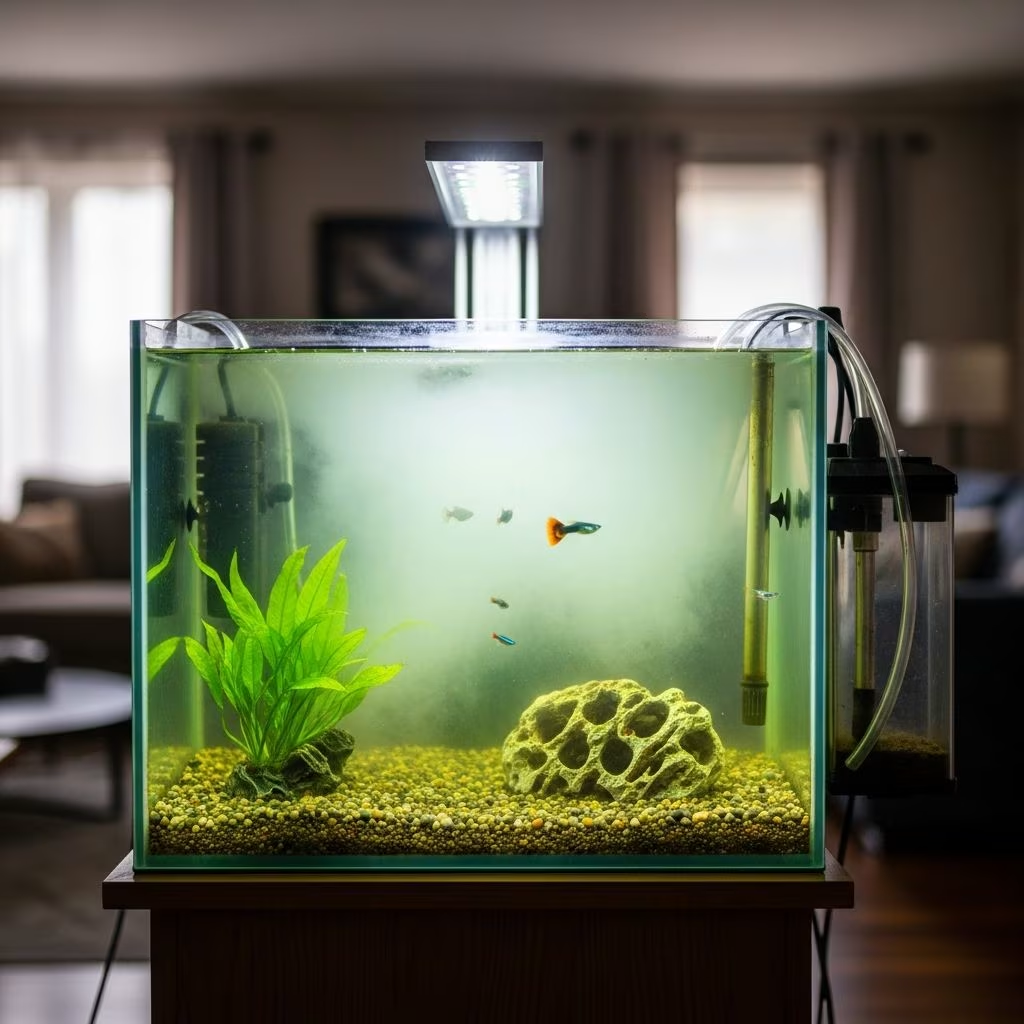
Why Is My Fish Tank Cloudy? Understanding Common Causes and Solutions
A cloudy fish tank is one of the most common frustrations aquarium hobbyists face, whether you’re a beginner setting up your first tank or an experienced keeper. Waking up to find your once-crystal-clear water has turned milky or hazy can be disheartening, but the good news is that cloudy water is a fixable problem. Understanding what causes the cloudiness is the first step toward restoring your aquarium to its former clarity.
Cloudy water typically stems from one of two main culprits: suspended particles in the water or a bacterial bloom. Each cause requires a different approach, and identifying which type of cloudiness you’re dealing with will help you implement the most effective solution. Let’s explore the various reasons your fish tank might be cloudy and what you can do about it.
What Causes Cloudy Fish Tank Water?
Bacterial Blooms and New Tank Syndrome
One of the most common causes of cloudy water, particularly in newly established aquariums, is a bacterial bloom. When you first set up a fish tank, beneficial bacteria haven’t yet established themselves in sufficient numbers to maintain a balanced nitrogen cycle. During this critical period, free-floating bacteria and microorganisms take advantage of excess nutrients and minerals in the water, multiplying rapidly and causing the water to appear milky or hazy.
This phenomenon, known as “new tank syndrome,” is a natural part of the aquarium nitrogen cycle. The bacteria feed on ammonia produced by fish waste and uneaten food, and without proper filtration and established beneficial bacteria colonies, these clouds of microorganisms can persist for weeks if left unaddressed. The problem is often exacerbated when aquarium owners add too many fish at once or overfeed their new inhabitants, providing even more food for these bacteria to thrive.
Suspended Particles and Debris
Not all cloudiness comes from bacterial blooms. Suspended particles in the water column can create a similar appearance, though the causes are quite different. Common sources of particulate cloudiness include:
- Unwashed or newly added substrate that releases fine dust
- Fish waste and decaying organic matter
- Uneaten food accumulating on the tank bottom
- Debris stirred up during tank cleaning or maintenance
- Inadequate mechanical filtration
When you add new gravel or sand to your aquarium without rinsing it thoroughly, fine particles can cloud your water for several days as they either settle or get caught by your filter. Similarly, aggressive substrate cleaning or fish burrowing activities can kick up settled debris, creating temporary cloudiness.
Overfeeding and Bioload Issues
Overfeeding is one of the most common mistakes new aquarium owners make, and it directly contributes to cloudy water. When you feed your fish more than they can consume, excess food falls to the substrate where it decomposes and becomes a nutrient source for bacteria. This excess bioload—the total amount of waste produced by your aquarium’s inhabitants—overwhelms the filtration system and creates ideal conditions for bacterial blooms.
Even if individual fish are fed appropriate portions, having too many fish in your tank increases the total bioload beyond what your filtration system can handle, leading to the same result: cloudy, nutrient-rich water that encourages bacterial growth.
Inadequate Filtration
Your aquarium’s filtration system is your first line of defense against cloudy water. Inadequate or poorly maintained filtration cannot remove suspended particles efficiently or process waste fast enough to prevent bacterial blooms. This is particularly problematic in new tanks where the biological filtration hasn’t fully cycled, or in overcrowded tanks where the filter simply can’t keep up with the bioload.
Green Water and Algae Blooms
While less common than bacterial cloudiness, green water caused by algae blooms can also cloud your tank. This occurs when free-floating algae multiplies rapidly, usually due to excessive light combined with high nutrient levels from overfeeding or inadequate water changes. Green water has a distinctly different appearance from bacterial cloudiness—it looks like pea soup rather than milk.
How to Clear Cloudy Fish Tank Water
Perform Partial Water Changes
One of the most straightforward solutions for cloudy water is to perform regular partial water changes. However, it’s important to do this correctly. Instead of draining your entire tank and starting fresh, perform 20-25% water changes every day or every other day until the cloudiness clears. Large single water changes can shock your fish and destabilize your tank’s chemistry, while gradual water changes help remove excess nutrients that feed bacteria without disrupting the established ecosystem.
The key is consistency—multiple smaller changes are more effective than one massive water change for clearing bacterial blooms.
Add Mechanical Filtration
Upgrading your mechanical filtration can dramatically improve water clarity. If your current filter doesn’t include fine filter floss or mechanical media, adding these elements will help trap suspended particles before they cloud your water. For saltwater setups, installing a 100-200 micron filter sock can capture fine debris that standard filter media might miss. Clean or replace your filter media regularly, as clogged media becomes ineffective and can harbor more bacteria.
Implement Chemical Filtration
Activated carbon is highly effective at clearing cloudy water caused by suspended particles and dissolved organics. Adding activated carbon media or carbon pads to your filter helps absorb nutrients that feed bacteria blooms and removes dissolved compounds that contribute to haziness. This method works well for both freshwater and saltwater aquariums.
For stubborn cloudiness, some aquarists use water clarifiers containing special clay or chemical compounds that bond with suspended particles, causing them to clump together for easier removal by the filter. However, these products may temporarily make the water look worse before it clears, so patience is necessary.
Add Live Plants
Live plants are one of the most elegant solutions for preventing and clearing cloudy water. Plants compete with bacteria for nutrients in the water, essentially starving out the microorganisms that cause bacterial blooms. Additionally, plants produce oxygen during daylight hours, which aids in the breakdown of fish waste and dead bacterial cells. They also consume ammonia generated by fish and uneaten food, reducing the nutrient load that fuels bacterial growth.
Establishing a healthy population of live plants can transform your aquarium into a more balanced ecosystem that naturally resists the conditions that create cloudy water.
Reduce Feeding and Fish Population
Address the root cause of excessive nutrients by evaluating your feeding habits and tank stocking levels. Follow the general rule of feeding only what your fish can consume in 2-3 minutes, once or twice daily. Remove any uneaten food that sinks to the bottom, as it directly contributes to cloudiness by decomposing and providing bacterial food.
If your tank is overcrowded, consider moving some fish to a larger tank or a separate system. Reducing bioload through fewer fish and less food addresses the fundamental problem rather than just treating the symptom.
Avoid Overcleaning
Paradoxically, cleaning your tank too aggressively can worsen cloudy water by removing beneficial bacteria before they establish themselves. During the nitrogen cycle in a new tank, resist the urge to thoroughly clean your filter media or vacuum the entire substrate at once. Instead, gently clean a small portion of substrate during each water change and rinse filter media in old tank water rather than tap water, which would kill beneficial bacteria.
Increase Aeration
Adequate oxygen levels help bacteria metabolize waste products more efficiently. Increasing surface agitation with an air stone or by directing filter output toward the water surface can improve dissolved oxygen and help clear bacterial blooms naturally. Better oxygenation also prevents the fish suffocation that can occur when dense bacterial populations consume too much dissolved oxygen.
Prevention Strategies
Proper Tank Setup and Cycling
Prevent cloudy water from the start by properly cycling your aquarium before adding fish. Fishless cycling using ammonia sources allows beneficial bacteria to establish themselves without the stress of living fish. This creates a stable foundation that resists the bacterial blooms that plague uncycled tanks.
Rinse New Substrate Thoroughly
Before adding any gravel, sand, or decorative substrate to your tank, rinse it thoroughly under running water until the water runs clear. This removes fine dust particles that would otherwise cloud your aquarium when first introduced.
Regular Maintenance Schedule
Establish a consistent maintenance routine including partial water changes, filter media cleaning, and substrate vacuuming. Regular maintenance prevents nutrient buildup that feeds bacteria blooms and keeps your filtration system functioning optimally.
Stock Appropriately
Research the bioload and space requirements of any fish before adding them to your tank. Avoid the temptation to overcrowd, as this is one of the leading causes of persistent water quality problems including cloudiness.
Cloudy Water by Type: Identification and Treatment
| Cloudiness Type | Appearance | Primary Cause | Primary Solution |
|---|---|---|---|
| Bacterial Bloom | Milky, white cloudiness throughout water | Excess nutrients, new tank syndrome | Partial water changes, reduce feeding, add plants |
| Particulate Matter | Visible floating particles or dust | New substrate, debris, inadequate filtration | Fine filter floss, water changes, rinse substrate |
| Green Water | Greenish tint, pea soup appearance | Algae bloom from excess light and nutrients | Reduce light, darkness period, water changes |
| Organic Cloudiness | Brownish or yellowish tint | Tannins from driftwood or decomposing matter | Activated carbon, water changes, boil driftwood |
When to Use Additional Tools
UV Sterilizers
While UV sterilizers can quickly clear bacterial blooms by killing free-floating bacteria, they don’t address the root cause—excess nutrients and bioload imbalance. Use UV sterilization as a temporary measure while implementing the fundamental solutions of feeding less, reducing stocking levels, and improving filtration.
Water Polishing Reactors
For severe particulate cloudiness in larger setups, a media reactor using 1-5 micron sediment filters can recirculate tank water through extremely fine filtration, rapidly clearing suspended debris. This method is particularly effective in saltwater systems.
Frequently Asked Questions
Q: How long does it take for cloudy water to clear?
A: The timeline depends on the cause and solutions implemented. Particulate cloudiness often clears within a few days with proper filtration. Bacterial blooms may take 1-2 weeks to resolve even with daily water changes. Green water can clear within 7-10 days with darkness treatment and water changes.
Q: Is cloudy water dangerous for my fish?
A: Cloudiness itself is typically not immediately dangerous, but it indicates underlying problems—excess nutrients, poor filtration, or bioload imbalance—that can lead to ammonia and nitrite spikes harmful to fish. Address it promptly to prevent water quality deterioration.
Q: Can I use water clarifiers safely with fish in the tank?
A: Most commercially available water clarifiers are fish-safe when used as directed. However, they may temporarily make water cloudier before clearing it, so ensure adequate filtration is running to capture the clumped particles. Follow product instructions carefully.
Q: Should I do a large water change to clear cloudy water?
A: Large single water changes are generally not recommended for bacterial cloudiness, as they can destabilize tank chemistry and shock fish. Instead, perform 20-25% water changes every 1-2 days. Massive water changes may be appropriate only for severe particulate cloudiness after the particles have settled.
Q: Do I need to replace my filter completely if my tank is cloudy?
A: Usually not. Instead, improve your existing filtration by adding fine filter media or activated carbon, cleaning clogged media more frequently, or upgrading to a larger capacity filter. Complete filter replacement isn’t necessary unless your current filter is inadequate for your tank size.
Q: Can I use bottled beneficial bacteria to clear cloudy water?
A: While bottled bacteria supplements may help establish the nitrogen cycle in new tanks, they’re not a quick fix for existing cloudy water. They work best as part of a comprehensive approach including water changes, proper feeding, and adequate filtration.
References
- How To Fix Cloudy Water in a New Fish Tank — Aqueon. 2024. https://www.aqueon.com/articles/how-to-fix-cloudy-tank-water-for-a-new-fish-tank
- Why Is My Saltwater Tank Cloudy? Causes & Easy Fixes — Bulk Reef Supply. 2024. https://www.bulkreefsupply.com/content/post/how-to-clear-up-cloudy-water-in-a-saltwater-aquarium
- How to Clear Up Cloudy Fish Tank Water with 5 Easy Methods — Aquarium Co-op. 2024. https://www.aquariumcoop.com/blogs/aquarium/cloudy-fish-tank



