

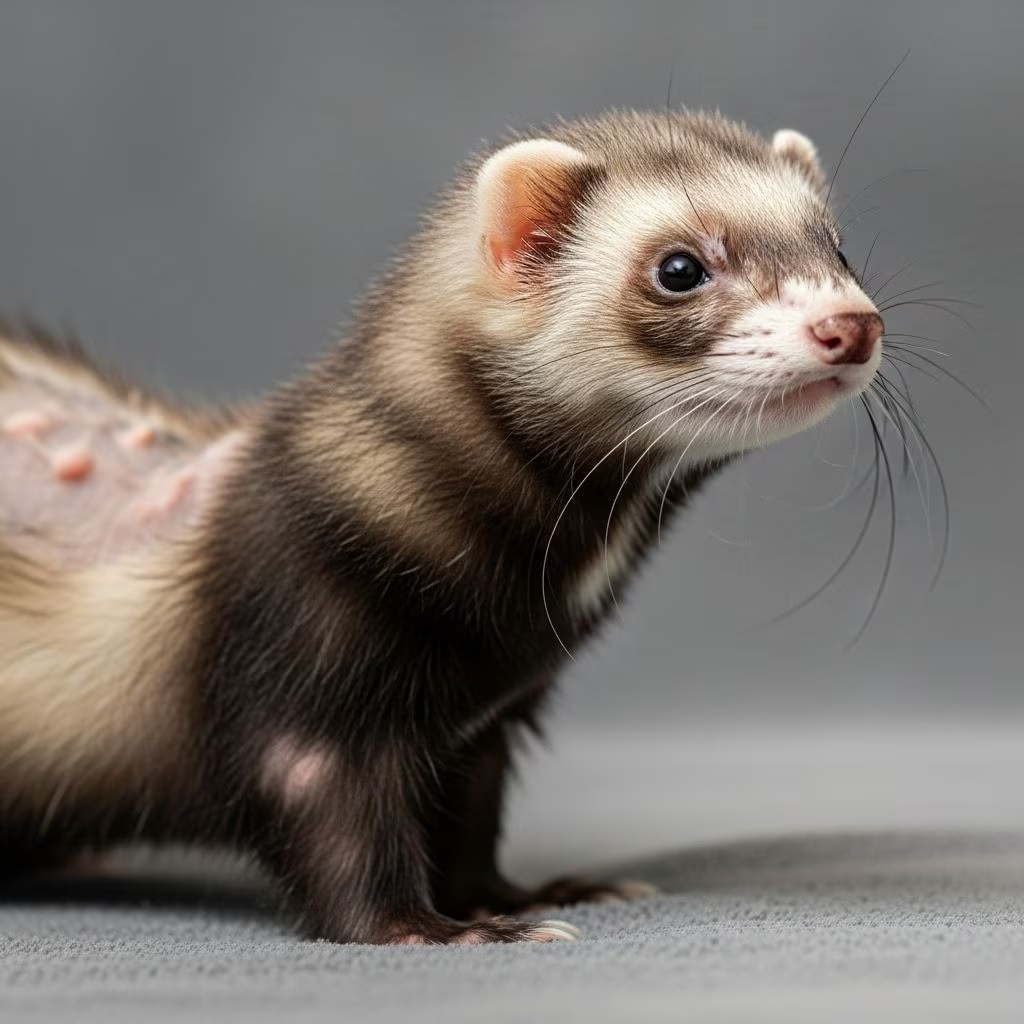
Why Is My Ferret Losing Hair: Understanding Alopecia in Ferrets
If you’ve noticed your beloved ferret losing patches of fur or developing thin spots across their coat, you’re not alone. Hair loss, medically known as alopecia, is a common concern among ferret owners. While a thinning coat might initially seem like a cosmetic issue, it often signals an underlying health condition that requires professional attention. Understanding the potential causes of ferret hair loss is the first step toward helping your pet feel better and restoring their healthy coat. This comprehensive guide explores the six most common causes of ferret alopecia and what you should know about each one.
Understanding Ferret Hair Loss: An Overview
Ferrets are generally hardy little companions, but they are susceptible to various health conditions that can affect their skin and coat. Hair loss in ferrets can develop gradually or appear suddenly, depending on the underlying cause. Some ferrets experience symmetrical hair loss that starts at specific body regions and spreads over time, while others develop patchy, irregular bald spots. The pattern and progression of hair loss often provide important clues about what’s causing the problem.
Recognizing that your ferret is losing hair is typically the easy part—determining why requires a closer examination. The causes of ferret alopecia range from serious endocrine disorders to environmental parasites, nutritional deficiencies, and infectious diseases. Many conditions that cause hair loss in ferrets also produce additional symptoms that can help narrow down the diagnosis. By learning to identify these signs and understanding when to seek veterinary care, you can ensure your ferret receives prompt treatment.
6 Common Causes of Ferret Hair Loss
1. Adrenal Gland Disease: The Most Common Culprit
Adrenal gland disease stands as the most prevalent cause of hair loss in ferrets, particularly in middle-aged and older animals. This condition involves the enlargement of one or both adrenal glands, causing them to overproduce sex hormones including estrogen, progesterone, and androgens. Unlike dogs that develop Cushing’s disease from excess cortisol, ferrets with enlarged adrenal glands typically experience problems related to excessive reproductive hormones.
The hair loss from adrenal disease typically follows a distinctive pattern. It usually begins on the tail and rump area, then gradually progresses forward across the back and sides, eventually reaching the head. In some cases, the progression may take over a year to advance from initial patchy thinning to complete baldness in affected areas. This characteristic pattern of hair loss can help your veterinarian identify adrenal disease during examination.
Beyond hair loss, adrenal disease manifests through several other symptoms. Female ferrets often develop an enlarged or swollen vulva, while males may experience prostate enlargement that leads to frequent urination and urinary obstructions. Both sexes can display itchy skin, weight loss, muscle wasting, increased aggression, and unusual sexual behavior. Some ferrets may experience anemia, which can be detected through blood work.
Diagnosing adrenal disease is often straightforward. Your veterinarian can typically make a diagnosis based on the physical examination and characteristic hair loss pattern. In some cases, blood work to measure adrenal hormone levels may be necessary to confirm the diagnosis. Ultrasound imaging can also be used to visualize the adrenal glands and determine which one is enlarged. Once diagnosed, treatment options are available to manage the condition and prevent further complications.
2. Hormonal Imbalances and Estrogen Toxicity
In addition to adrenal disease, other hormonal imbalances can cause significant hair loss in ferrets. Female ferrets that have not been spayed or have not been properly manipulated out of heat can develop persistently high estrogen levels, a condition known as estrogen toxicity. This hormonal state produces alopecia as one of its primary signs and requires veterinary intervention.
The relationship between reproductive hormones and hair loss is complex in ferrets. The pattern and timeline of hair loss often reflect an imbalance between estrogens and androgens, which affects both hair follicles and skin metabolism. Interestingly, while the hair loss itself is distressing to observe, many ferrets with hormonal-related alopecia continue to feel relatively comfortable, though they may experience itching and skin irritation.
3. Parasitic Infections: External Troublemakers
Fleas, ear mites, and skin mites represent another significant category of causes for ferret hair loss. Ferrets that spend time outdoors or interact with dogs and cats that go outside are particularly vulnerable to picking up parasitic infections. These external parasites cause ferrets to scratch and chew at their skin, leading to secondary hair loss from self-trauma.
The pattern of hair loss from parasites differs from that caused by hormonal issues. Ferrets with flea infestations typically develop hair loss in areas where they can easily scratch, such as above the shoulders and neck. They may also chew at the sides and rump area, creating bald patches in these locations. Close examination often reveals the parasites themselves or their droppings on the skin.
The good news is that parasitic causes of hair loss are relatively easy to diagnose and treat. Your veterinarian can identify fleas and mites through visual inspection or microscopic examination of skin scrapings. Treatment often involves topical flea and mite products designed for ferrets or adapted from feline formulations, as ferrets’ skin chemistry is similar to cats’. Consultation with your veterinarian is essential to determine which flea product is safest and most effective for your ferret.
4. Infectious Agents: Fungal and Bacterial Causes
While less common than other causes, infectious agents can trigger hair loss in ferrets. Ringworm, despite its misleading name, is actually a fungal infection (typically caused by Microsporum canis or Trichophyton mentagrophytes) that produces small patches of alopecia. Ringworm is most commonly acquired from infected kittens or cats and is more prevalent in young or immunosuppressed ferrets.
Bacterial and yeast infections can also cause hair loss, though these are relatively uncommon in ferrets. When they do occur, they typically produce localized patches of hair loss rather than the widespread symmetrical patterns seen with adrenal disease. These infections may be accompanied by skin inflammation, redness, or discharge.
Diagnosing ringworm involves several techniques. A Wood’s lamp examination, which uses ultraviolet light, can sometimes identify the fungal infection by its characteristic appearance. A definitive diagnosis often requires a fungal culture, similar to the process used for kittens and cats. Treatment typically involves antifungal medications, and fortunately, the same medications used to treat ringworm in cats can be administered to ferrets under veterinary supervision.
5. Nutritional Deficiencies: The Importance of Proper Diet
Ferrets are obligate carnivores with specific dietary requirements that differ significantly from other pets. They require a high-protein, high-fat, and low-fiber diet to thrive. Nutritional deficiencies resulting from an inadequate diet can cause a generalized partial alopecia accompanied by a brittle, poor-quality coat. Additionally, inadequate nutrition often leads to poor body condition, emaciation, and other signs of malnutrition.
Hair loss from nutritional deficiency presents differently from hormonal causes. Rather than following a specific pattern starting from the tail, nutritional alopecia tends to be more diffuse and generalized across the body. The affected coat appears dry, sparse, and unhealthy. Addressing this cause is often the most straightforward, as it primarily requires adjusting the ferret’s diet to meet their specific nutritional needs.
If you suspect your ferret’s hair loss stems from nutritional deficiency, consult with your veterinarian about appropriate ferret nutrition. Quality ferret food formulations are specifically designed to meet their unique dietary requirements and can reverse the hair loss and restore coat quality once implemented.
6. Other Contributing Factors: Hypothyroidism and Genetic Conditions
Hypothyroidism, or dysfunction of the thyroid gland, can also contribute to hair loss in ferrets, though this is less commonly documented than adrenal disease. While validation of this condition in ferrets has largely been anecdotal due to the lack of commercially validated thyroid testing, some ferrets do present with skin and coat changes consistent with hypothyroidism as observed in other species.
Additionally, follicular dysplasia, a genetic condition affecting hair follicles, can cause alopecia. This condition typically produces large and diffuse areas of hair loss, distinguishing it from the patchy pattern seen with parasitic or infectious causes. Seasonal changes can also play a role in some ferret hair loss, with shedding variations occurring throughout the year.
Diagnosis: How Veterinarians Identify Hair Loss Causes
When you bring your ferret to the veterinarian for hair loss evaluation, they will conduct a systematic approach to determine the underlying cause. The diagnostic process typically begins with a thorough physical examination, during which your veterinarian will assess the pattern, distribution, and severity of hair loss. They will also examine the skin for signs of parasites, infection, inflammation, or other abnormalities.
Blood and chemistry analysis may be ordered to test for anemia, infection, hormone imbalances, or steroid irregularities. These tests help rule out metabolic and endocrine causes of alopecia. Your veterinarian may also perform skin scrapings or fungal cultures to identify parasitic or infectious agents. In cases where adrenal disease is suspected, ultrasound imaging can visualize the adrenal glands and assess for enlargement.
Be prepared to provide your veterinarian with detailed information about your ferret’s symptoms, the timeline of hair loss, dietary habits, exposure to other animals, and any recent behavioral changes. This information is invaluable for narrowing down the differential diagnosis and guiding appropriate testing.
Treatment Options for Ferret Hair Loss
Treatment for ferret hair loss depends entirely on the underlying cause. For adrenal disease, treatment may involve medical management with hormone-suppressing medications or surgical removal of the affected adrenal gland. Parasitic infestations respond well to topical or systemic antiparasitic treatments. Fungal infections require antifungal therapy, while bacterial infections may require antibiotics.
Nutritional deficiencies are corrected through dietary modifications and potentially supplementation. Hormonal imbalances may require spaying or neutering if not already performed, or hormone-suppressing medications. Your veterinarian will recommend the most appropriate treatment protocol based on the specific diagnosis and your ferret’s individual health status.
When to Seek Veterinary Care
If you notice any degree of hair loss in your ferret, scheduling a veterinary appointment is advisable. Early diagnosis often leads to better outcomes and can prevent complications. Seek immediate veterinary attention if your ferret shows signs of systemic illness such as lethargy, loss of appetite, difficulty urinating, or signs of pain in addition to hair loss.
Frequently Asked Questions (FAQs)
Q: Is hair loss in ferrets always a sign of adrenal disease?
A: While adrenal disease is the most common cause of hair loss in ferrets, especially in middle-aged and older animals, many other conditions can produce alopecia, including parasites, infections, nutritional deficiencies, and hormonal imbalances. A veterinary diagnosis is necessary to determine the specific cause.
Q: Can ferret hair loss be prevented?
A: While adrenal disease cannot be completely prevented, maintaining proper nutrition, preventing parasitic exposure, and ensuring spaying or neutering can reduce the risk of some causes of hair loss. Regular veterinary check-ups help detect problems early.
Q: How long does it take for a ferret’s hair to grow back after treatment?
A: Hair regrowth timelines vary depending on the cause and treatment. Some ferrets show improvement within weeks of starting appropriate treatment, while others may take several months for their coat to fully recover.
Q: Are ferrets with hair loss in pain?
A: While ferrets with hair loss from adrenal disease are often not in direct pain, some conditions causing alopecia, such as parasitic infestations or infections, can cause itching and skin discomfort.
Q: Can I treat my ferret’s hair loss at home?
A: The appropriate treatment depends on the underlying cause, which requires professional veterinary diagnosis. Attempting home treatment without knowing the cause could delay proper care and allow the condition to worsen.
References
- Hair Loss in Ferrets – Alopecia Causes and Diagnosis — PetMD. 2024. https://www.petmd.com/ferret/conditions/skin/c_ft_alopecia
- Ferret Adrenal Disease: Symptoms and Treatment — VCA Animal Hospitals. 2024. https://vcahospitals.com/know-your-pet/ferrets-skin-disease
- Ferret Adrenal Hair Loss and Alopecia — Walkerville Veterinary Clinic. 2024. https://www.walkervillevet.com.au/ferret-adrenal-hair-loss/
- Alopecia in Ferrets: Causes, Signs, and Diagnosis — Vetlexicon. 2024. https://www.vetlexicon.com/exotis/ferrets/dermatology/articles/alopecia/
- Ferret Adrenal Disease Demystified — WCVM Today, University of Saskatchewan. 2016. https://wcvmtoday.usask.ca/articles/2016/ferret-adrenal-disease-demystified.php
- Adrenal Disease in Ferrets: Early Signs and Management — Long Island Bird and Exotics Pet Veterinary Care. 2024. https://www.birdexoticsvet.com/post/ferret-adrenal-disease



