

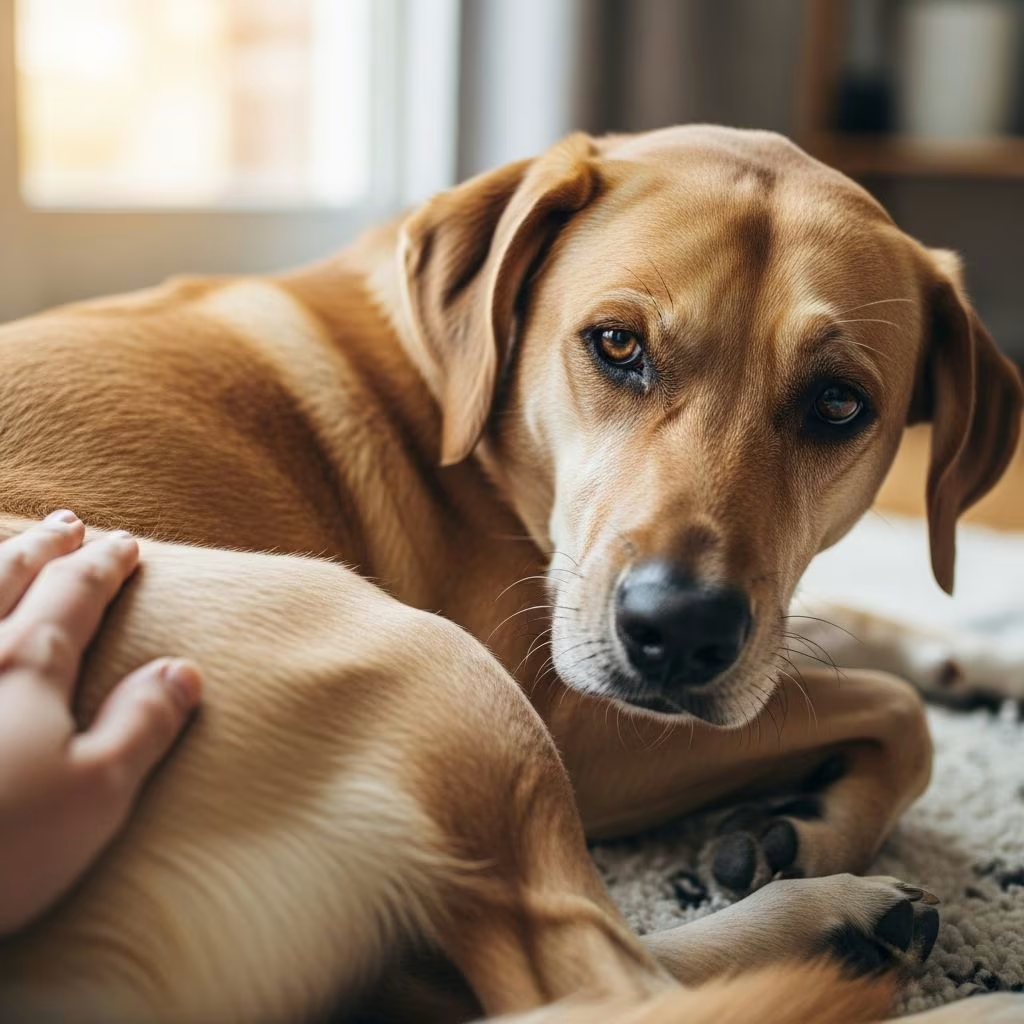
A dog’s upset stomach is one of the most common health concerns pet owners face. Whether your furry friend is vomiting, experiencing diarrhea, or showing signs of discomfort, gastrointestinal issues can be distressing for both you and your beloved pet. The good news is that understanding the potential causes of stomach upset can help you identify when home care is sufficient and when veterinary intervention is necessary.
Gastroenteritis, which is the inflammation of the stomach and intestines, can vary significantly in severity. While some cases resolve on their own with supportive care and dietary adjustments, others require professional medical attention. Dogs of any age can experience stomach upset, though puppies and senior dogs are particularly susceptible due to their weaker immune systems.
Understanding Canine Stomach Upset
Before diving into the specific causes, it’s important to understand what constitutes an upset stomach in dogs. Common symptoms include vomiting, diarrhea, loss of appetite, lethargy, abdominal pain, and abdominal swelling. Some dogs may also display signs of dehydration or behavioral changes when their digestive system is compromised.
The underlying causes of upset stomachs in dogs are diverse and can range from minor dietary indiscretions to serious medical conditions. Identifying the root cause is essential for determining the appropriate treatment approach.
The 12 Most Common Causes of Dog Stomach Upset
1. Dietary Indiscretion
One of the most frequent causes of stomach upset in dogs is dietary indiscretion—eating something they shouldn’t. This includes scavenging food from the trash, consuming table scraps, or eating excessively. Dogs are naturally curious and opportunistic eaters, making them prone to ingesting inappropriate foods that can irritate their digestive system.
2. Abrupt Diet Changes
Switching your dog’s food too quickly can cause significant gastrointestinal upset. Even when transitioning to a higher-quality or prescription diet, introducing the new food gradually over 7-10 days is essential. Abrupt changes don’t allow your dog’s digestive system time to adjust to new ingredients.
3. Food Allergies and Sensitivities
Some dogs develop allergies or sensitivities to specific food ingredients. While food allergies often manifest as itchy, inflamed skin, gastrointestinal symptoms can also occur. Common allergens include chicken, beef, wheat, and corn. A veterinarian can help identify problematic ingredients through elimination diets.
4. Bacterial Infections
Bacteria such as Campylobacter can cause bacterial gastroenteritis in dogs. Bacterial infections typically result in diarrhea and vomiting and may require antibiotic treatment prescribed by a veterinarian.
5. Viral Infections
Viruses like parvovirus are common culprits behind severe stomach upset in dogs. Viral infections can cause sudden vomiting, bloody diarrhea, loss of appetite, and abdominal pain. Parvovirus is particularly serious and may require hospitalization and intensive care.
6. Parasitic Infections
Intestinal parasites such as roundworms, whipworms, hookworms, giardia, and coccidia can lead to vomiting and diarrhea. Puppies are especially susceptible to parasitic infections. Regular deworming and fecal examinations are important preventive measures.
7. Ingestion of Foreign Objects
Dogs sometimes swallow items they shouldn’t, including toys, bones, socks, or other non-food objects. Foreign body ingestion can cause vomiting, retching, diarrhea, and severe abdominal pain. In many cases, surgical removal is necessary.
8. Toxin Exposure
Exposure to toxins, poisons, or contaminated food can trigger gastrointestinal upset. Common toxins include chocolate, xylitol, certain plants, pesticides, and human medications. Immediate veterinary attention is crucial if toxin ingestion is suspected.
9. Stress and Anxiety
Just as in humans, stress can cause gastrointestinal upset in dogs. Changes in routine, new environments, separation anxiety, or household conflicts can trigger digestive issues. Identifying and minimizing stressors can help prevent stress-related stomach problems.
10. Medications
Certain medications can cause gastrointestinal side effects in dogs. Antibiotics, pain relievers, and other pharmaceuticals may irritate the stomach or disrupt normal digestive function. If stomach upset develops after starting a new medication, contact your veterinarian.
11. Eating Too Fast
Some dogs eat their meals too quickly, which can lead to stomach upset and potential bloating. Using slower feeding bowls or dividing meals into smaller portions can help dogs digest their food more comfortably.
12. Underlying Medical Conditions
Chronic stomach upset may indicate underlying medical conditions such as inflammatory bowel disease (IBD), gastric ulcers, bloating, organ disease, or even digestive system cancer. Persistent symptoms warrant a thorough veterinary evaluation.
Recognizing Serious Symptoms
While mild stomach upset often resolves with home care, certain symptoms indicate the need for immediate veterinary attention. These include severe vomiting or diarrhea, bloody stool, signs of severe abdominal pain, lethargy, fever, dehydration, or symptoms lasting more than a few days.
Specific conditions present distinctive warning signs. For example, obstructions cause lethargy, loss of appetite, vomiting, diarrhea, weight loss, abdominal pain, abdominal swelling, low body temperatures, and dehydration. Hemorrhagic gastroenteritis presents as sudden vomiting, bloody diarrhea, loss of appetite, abdominal pain, and depression.
Home Remedies and Supportive Care
Bland Diet Approach
For mild cases of stomach upset, a bland diet can be highly effective. Vets often recommend feeding boiled, skinless chicken with cooked white rice, or offering low-fat cottage cheese. These foods are easier to digest and help the stomach settle. Continue this bland diet for several days before gradually reintroducing your dog’s regular food.
Hydration and Electrolytes
When dogs vomit or have diarrhea, they lose fluids and essential electrolytes, which can cause dehydration. Offering small amounts of Pedialyte or similar electrolyte solutions helps replenish these vital minerals. Ensure your dog has constant access to fresh water, and monitor for signs of dehydration such as dry gums or excessive panting.
Probiotics
Probiotics contain beneficial gut bacteria that promote digestive health. They are particularly useful after stomach upset, as they help ‘reset’ normal gut flora. Many probiotics also contain ingredients to bind diarrhea and soothe the gut wall. Your veterinarian can recommend appropriate probiotic supplements.
Fasting
Short-term fasting can give the digestive system time to rest and recover. Depending on severity, your veterinarian may recommend withholding food for 12-24 hours while maintaining access to water. After fasting, gradually reintroduce food with bland meals.
Professional Veterinary Treatments
Anti-Nausea Medications
Veterinarians often prescribe anti-nausea medications to manage vomiting. Maropitant (Cerenia) is commonly prescribed for dogs experiencing nausea and vomiting. Ondansetron (Zofran), a human medication, is another option. These medications block the sensation of nausea in your dog’s brain.
Acid-Reducing Medications
Famotidine (Pepcid) is a popular over-the-counter human medication that reduces stomach acid production. It can treat upset stomachs caused by acidic stomach, esophagitis, gastric ulcers, and gastric reflux. Omeprazole is another antacid option veterinarians may prescribe.
Motility Medications
Metoclopramide (Reglan) blocks the sensation of nausea and improves stomach contractions to keep food moving through the digestive tract. This medication is often given as a tablet 3 to 4 times daily and can treat gastric motility disorders, GERD, and other digestive issues.
Intravenous Fluids
For severe cases or when dehydration is a concern, veterinarians administer IV fluids to rehydrate your dog and maintain normal bodily functions. This is particularly important for conditions like parvovirus that cause severe fluid loss.
Antibiotics
If a bacterial infection is identified, your veterinarian may prescribe antibiotics. These medications help eliminate the bacterial infection and prevent secondary complications.
Surgical Intervention
Certain conditions require surgical treatment. Foreign body obstructions, severe bloating, and some cases of organ disease may require surgery. Your veterinarian will discuss surgical options if necessary.
When to Contact Your Veterinarian
Contact your veterinarian immediately if your dog exhibits severe symptoms, vomits blood, has bloody diarrhea, shows signs of severe pain, displays lethargy or depression, or if symptoms persist for more than a couple of days. Early veterinary intervention can prevent minor issues from becoming serious complications.
Regular check-ups, appropriate vaccinations, parasite prevention, and a high-quality diet are excellent preventive measures. Additionally, keeping toxic substances, inappropriate foods, and small objects out of reach reduces the risk of stomach upset.
Long-Term Management
If your dog experiences recurrent stomach upset, your veterinarian may recommend long-term dietary management with special diets such as low-fat or hydrolyzed protein options. Some dogs benefit from ongoing probiotic supplementation or specific feeding schedules. Identifying and avoiding trigger foods or stressors is essential for maintaining digestive health.
Frequently Asked Questions About Dog Stomach Upset
Q: How long does it take for a dog’s upset stomach to resolve?
A: Mild cases often resolve within 24-48 hours with supportive care. However, more severe cases may take several days to weeks depending on the underlying cause. If symptoms persist beyond a few days, consult your veterinarian.
Q: Can I give my dog over-the-counter medications?
A: While some over-the-counter medications like famotidine (Pepcid) can be used for dogs, always consult your veterinarian before administering any medication. Dosages and safety considerations differ from human use.
Q: Is a bland diet sufficient treatment for all stomach upset cases?
A: A bland diet is effective for mild cases caused by dietary indiscretion or minor irritation. However, infections, parasites, foreign objects, and other serious conditions require professional veterinary treatment in addition to dietary support.
Q: How can I prevent my dog from having stomach upset?
A: Prevention strategies include maintaining a consistent diet, avoiding table scraps and toxic foods, ensuring regular deworming, keeping vaccinations current, securing toxic substances, and minimizing stress. Feeding appropriate portions and using slower feeding bowls also helps.
Q: Should I fast my dog if they have an upset stomach?
A: Short-term fasting (12-24 hours) with continued water access can help rest the digestive system. However, always follow your veterinarian’s recommendations, as some conditions may require different approaches.
Q: What should I avoid feeding my dog during stomach upset?
A: Avoid fatty foods, dairy products, high-fiber foods, and their regular diet during acute upset stomach. Stick to bland options like boiled chicken and white rice until symptoms resolve and you gradually reintroduce normal food.
References
- Gastroenteritis in Dogs — VCA Animal Hospitals. 2024. https://vcahospitals.com/know-your-pet/gastroenteritis-in-dogs
- Upset Stomach in Dogs: Signs and What To Do — PetMD. 2024. https://www.petmd.com/dog/conditions/digestive/upset-stomach-dogs
- Upset Stomach in Dogs: Causes, Symptoms, & Home Remedies — Ruby Vet. 2024. https://www.rubyvet.com/blog/tummy-troubles-got-you-down-upset-stomach-in-dogs-causes-symptoms-and-home-remedies
- What to Do if Your Dog Has an Upset Stomach — WebMD Pets. 2024. https://www.webmd.com/pets/dogs/what-to-do-if-your-dog-has-an-upstomach
- Gastroenteritis (stomach upset) in dogs — PDSA. 2024. https://www.pdsa.org.uk/pet-help-and-advice/pet-health-hub/conditions/gastroenteritis-stomach-upset-in-dogs



