

Why Is My Dog’s Nose Turning Pink?
If you’ve noticed your dog’s nose changing from its usual black or brown color to pink or a lighter shade, you might be concerned about what this means for your furry friend’s health. This common occurrence is known as “snow nose” or “winter nose,” and while it can be startling to observe, it’s typically a harmless condition that doesn’t require medical intervention. Understanding the reasons behind this pigmentation change can help you determine whether your dog needs veterinary care or if this is simply a natural phenomenon.
What Is Snow Nose?
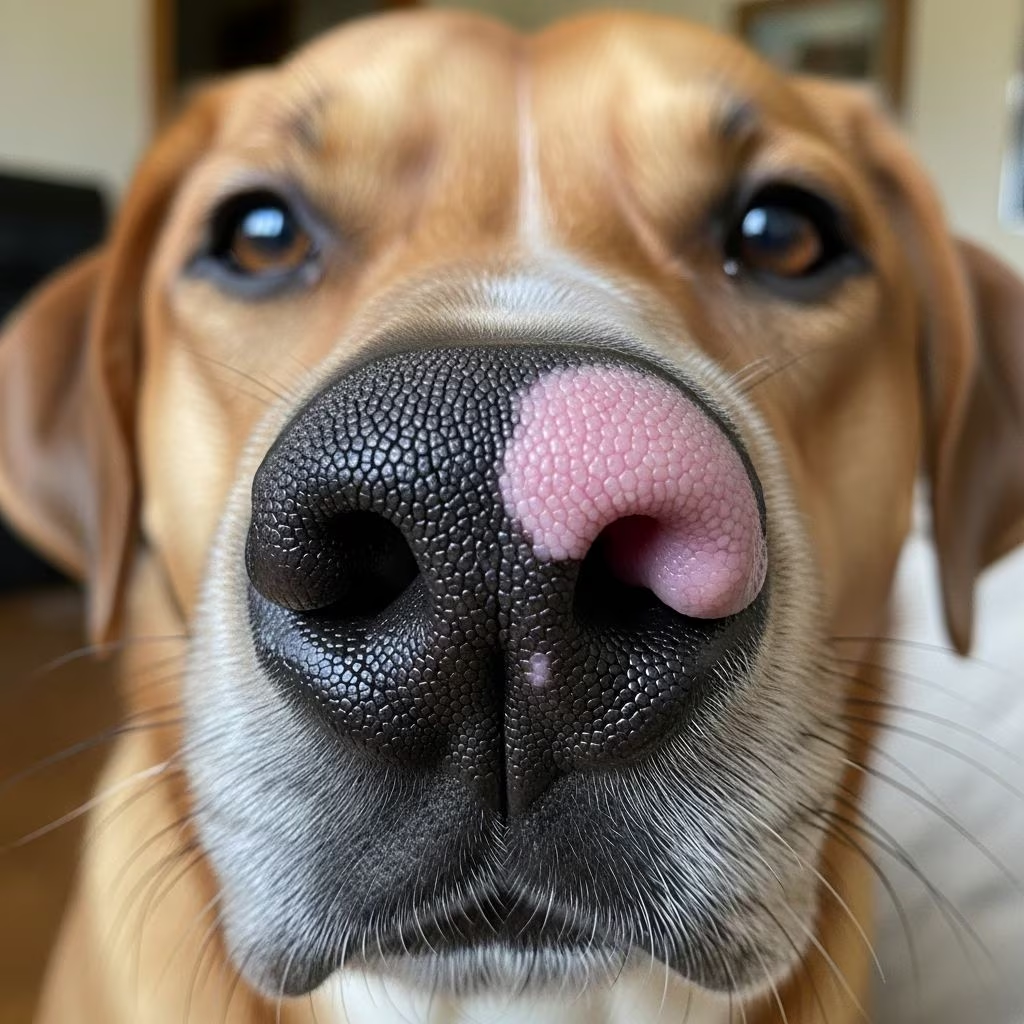
Snow nose is a term used to describe a dog’s nose that loses pigment and turns from its natural black or brown color to pink or a lighter shade. The condition, medically known as hypopigmentation, typically causes a gradual lightening of the nose. The color change may appear as spots scattered across the nose or as a stripe running down the center of the nose. A dog’s original nose color determines what shade it will become—if your dog normally has a black nose, it will turn pink or a darker brown, while a brown nose may become a lighter shade of brown.
Snow nose is particularly common in certain dog breeds, including Siberian Huskies, Golden Retrievers, and Labrador Retrievers. However, dogs of any breed can experience this seasonal color change. The condition usually appears or worsens during the colder winter months and tends to resolve when warmer weather returns, though some dogs may retain the lighter coloration year-round as they age.
Causes of Pink Dog Noses
While the exact cause of snow nose remains a scientific mystery, researchers and veterinarians have identified several factors that may contribute to this pigmentation change.
Enzyme Breakdown and Cold Temperature Sensitivity
One leading theory suggests that snow nose is caused by the breakdown of tyrosinase, an enzyme responsible for producing melanin—the pigment that gives your dog’s nose its dark color. Tyrosinase is particularly sensitive to cold temperatures, which explains why snow nose often appears or intensifies during winter months. As temperatures drop, this enzyme may become less effective at producing melanin, resulting in lighter nose pigmentation. Additionally, tyrosinase tends to break down naturally with age, which explains why older dogs sometimes retain their pink noses year-round even during warmer seasons.
Genetic Factors
Genetics play a significant role in determining which dogs are susceptible to snow nose. Some dogs inherit a predisposition to nose pigmentation changes from their parents, making snow nose a hereditary trait in certain bloodlines. This genetic component helps explain why some dog breeds are more prone to the condition than others.
It’s important to distinguish snow nose from “Dudley nose,” a different genetic condition caused by a mutation in the TYRP1 gene. Unlike snow nose, Dudley nose causes irreversible pigment loss and requires both parents to be carriers of the affected gene for puppies to develop the condition. Dudley nose is permanent and typically appears from birth or early puppyhood, whereas snow nose is usually temporary and develops later.
Sunlight Exposure
Prolonged exposure to direct sunlight can cause a dog’s nose to lose pigment and turn pink. This is particularly common in dogs living in sunny climates or those who spend considerable time outdoors. UV rays can damage the melanin-producing cells in your dog’s nose, leading to gradual pigmentation loss.
Thyroid Function
Changes in nose pigment have also been suggested to relate to a dog’s thyroid levels. Thyroid dysfunction can affect various aspects of your dog’s health, including coat and nose pigmentation. If you suspect your dog’s nose color change is accompanied by other symptoms of thyroid problems, such as weight changes, lethargy, or coat changes, consult your veterinarian.
Plastic Bowl Contact
An often-overlooked cause of nose pigmentation loss is eating from plastic bowls. Some dogs experience a reaction to plastic materials that can cause their noses to lose pigment. Testing this theory is simple—switching your dog to a metal or ceramic bowl may resolve the issue if this is the underlying cause.
Is Snow Nose a Health Concern?
The good news for dog owners is that snow nose is generally not a health concern. The condition is cosmetic in nature and doesn’t affect your dog’s quality of life or overall wellbeing. Snow nose is a natural phenomenon that should not cause alarm, and it does not require any special treatment in most cases.
However, it’s crucial to understand that snow nose is different from other medical conditions that may cause a dog’s nose to turn pink. Conditions such as lupus, dermatitis, and other skin allergies warrant a visit to the veterinarian for proper diagnosis. Additionally, nose color changes combined with other symptoms could indicate more serious health issues including autoimmune disorders, thyroid conditions, or even cancer.
When to Contact Your Veterinarian
While snow nose itself is harmless, you should schedule a veterinary appointment if you notice any of the following symptoms accompanying the nose color change:
– Sneezing- Nose rubbing or pawing at the nose- Nasal discharge- Raised skin or sores on the nose- Itchiness or irritation around the nose area- Dryness, redness, or cracking on the nose- A nose texture that appears smoother than usual- Any signs of pain or discomfort
These symptoms may indicate an underlying medical condition that requires professional evaluation and treatment. Your veterinarian can perform a thorough examination and determine whether your dog’s pink nose is simply snow nose or a sign of a more serious health issue.
Managing and Preventing Pink Noses
Protect Your Dog from Excessive Sun Exposure
To prevent or minimize nose color changes caused by sun exposure, limit your dog’s time in direct sunlight, especially during the hottest hours of the day. When your dog spends time outdoors, consider using a sunblock or nose balm specifically designed for dogs to protect the delicate skin on the nose. These products provide UV protection and can help maintain your dog’s natural nose pigmentation.
Provide a Healthy, Balanced Diet
A nutritious diet rich in essential nutrients can support your dog’s overall health and may help prevent nose pigmentation changes. Include high-quality dog food along with fresh fruits and vegetables that provide vital vitamins and minerals. Vitamin E, in particular, is beneficial for maintaining healthy skin and nose pigmentation. Ensuring your dog receives proper nutrition supports not only nose health but also their overall wellbeing.
Monitor Your Dog’s Nose Regularly
Regular observation of your dog’s nose can help you notice any changes and determine whether the color change follows seasonal patterns. Keep track of when the color changes occur and whether the pigmentation returns during warmer months. This information can be valuable when discussing your dog’s health with your veterinarian.
Switch to Non-Plastic Feeding Bowls
If you suspect plastic bowl contact may be causing your dog’s nose pigmentation loss, experiment with switching to metal or ceramic bowls. This simple change is easy to test and may resolve the issue if plastic was indeed the culprit.
Treatment Options for Existing Pink Noses
If your dog already has a pink nose, treatment options depend on whether the condition is snow nose or a more serious underlying issue. For simple snow nose, no treatment is typically necessary. However, if you’re concerned about the appearance or if the pigmentation change is accompanied by other symptoms, consult your veterinarian.
Your veterinarian may recommend various treatment options depending on the severity and cause of the condition, potentially including medication, laser therapy, or cryosurgery. These interventions are typically reserved for cases where the color change is caused by a medical condition rather than simple snow nose.
Understanding Age-Related Changes
It’s important to note that snow nose is not solely related to age or health issues, despite common misconceptions. Dogs of any age or health status can develop snow nose, and this pigmentation change does not indicate that your dog is aging prematurely or experiencing health problems. However, older dogs are more likely to have permanent pink noses because the tyrosinase enzyme breaks down with age, making the pigmentation change more persistent.
Seasonal Changes and Temperature Effects
If your dog’s nose turns pink during winter months, it will most likely darken again when warmer weather arrives. This seasonal pattern is characteristic of true snow nose and is nothing to worry about. The cycle may repeat year after year, with your dog’s nose darkening each summer and lightening each winter. However, as your dog ages, the seasonal color changes may become less dramatic, and your dog may retain some or all of the lighter pigmentation year-round.
Natural Nose Color Variations
It’s worth noting that some dogs naturally have lighter-colored noses from birth and this is not the same as snow nose. If your dog is brown or liver-colored, their nose may be fur-colored at all times as a genetic trait. This natural nose color is permanent and genetically determined, rather than being caused by environmental factors or pigmentation loss. Understanding whether your dog’s light nose is natural or a result of pigmentation change can help you determine if any action is needed.
Frequently Asked Questions
Q: Is a pink nose in dogs dangerous?
A: No, a pink nose caused by snow nose is not dangerous. It’s a harmless, cosmetic condition that doesn’t affect your dog’s health or quality of life. However, if the pink nose is accompanied by other symptoms like sores, discharge, or itching, consult your veterinarian to rule out medical conditions.
Q: Will my dog’s nose pigmentation return to normal?
A: In most cases, yes. If your dog’s pink nose is due to seasonal changes, the pigmentation typically returns to its normal dark color when warmer weather arrives. However, older dogs may retain lighter nose pigmentation year-round as they age.
Q: Can I treat snow nose at home?
A: Snow nose typically doesn’t require treatment, as it’s a harmless condition. However, you can help prevent or minimize it by limiting sun exposure, providing a healthy diet, and protecting your dog’s nose with dog-specific sunblock or balm during outdoor activities.
Q: Should I be worried if only part of my dog’s nose is pink?
A: No, partial pigmentation loss is normal for snow nose. The condition often appears as spots or a stripe down the center of the nose while the outer edges remain dark. This is a typical presentation of snow nose and is not cause for concern.
Q: What breeds are most prone to snow nose?
A: While any breed can develop snow nose, it’s more commonly observed in Siberian Huskies, Golden Retrievers, and Labrador Retrievers. However, this doesn’t mean other breeds won’t experience this condition.
Q: Does warming my dog’s nose help restore its color?
A: Warming a pink nose won’t necessarily cause it to return to its normal color. The pinkness is due to pigment changes, not temperature. It’s more important to focus on overall nose health by protecting it from excessive sun and harsh weather rather than attempting to warm it.
Conclusion
A dog’s nose turning pink is usually nothing to worry about. In most cases, this color change is the result of a benign condition known as snow nose or hypopigmentation, which is particularly common during winter months or in response to sun exposure. While the exact cause remains somewhat mysterious, researchers believe that enzyme sensitivity to temperature, genetics, sun exposure, and other environmental factors all play a role in this phenomenon.
By understanding the causes and characteristics of snow nose, you can confidently monitor your dog’s health without unnecessary alarm. Remember to maintain regular observation of your dog’s nose, protect it from excessive sun exposure, provide a nutritious diet, and consult your veterinarian if you notice any concerning symptoms beyond simple color changes. With proper care and attention, you can help keep your dog’s nose healthy while ensuring their overall wellbeing throughout all seasons.
References
- Why Do Golden Retrievers’ Noses Turn Pink? (All About Snow Nose) — My Golden Retriever Puppies. https://www.mygoldenretrieverpuppies.com/blog/golden-retrievers-pink-nose
- Dog Snow Nose: Why Dogs’ Noses Turn Pink — Hill’s Pet Nutrition. https://www.hillspet.com/dog-care/behavior-appearance/dog-snow-nose
- Pink Dog Nose? Snow Nose is Not Just A Winter Condition — Natural Dog. https://naturaldog.com/blogs/whole-dog-health/pink-dog-nose-snow-nose-is-not-just-a-winter-condition
- Why Your Dog’s Nose Changes Color: Is It Serious? — Rover.com. https://www.rover.com/blog/why-dogs-nose-change-color/
- What is Dog Snow Nose and What Can You Do About it? — PetMD. https://www.petmd.com/dog/wellness/what-dog-snow-nose-and-what-can-you-do-about-it



