

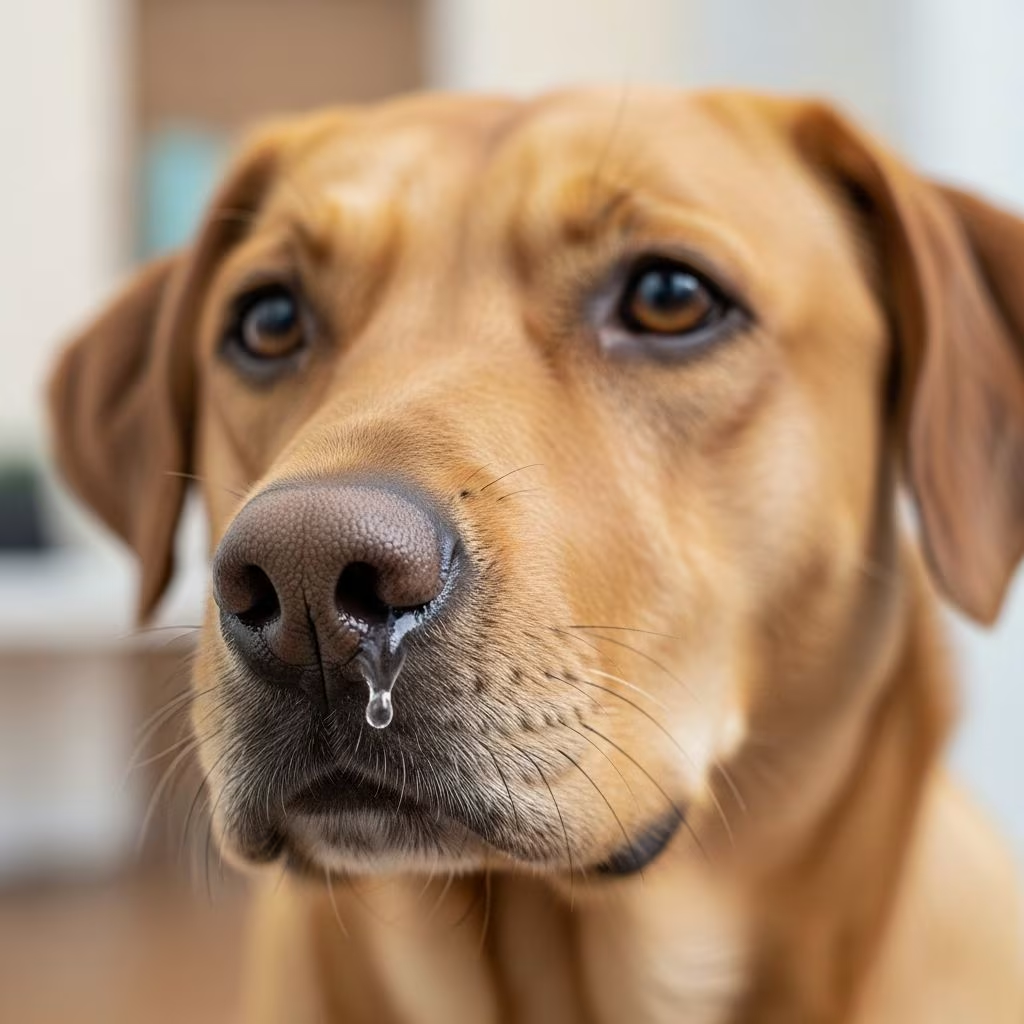
Why Is My Dog’s Nose Running?
A runny nose in dogs is a common symptom that can indicate various underlying health conditions. While some causes are minor and self-resolving, others require prompt veterinary attention. Understanding the potential causes of your dog’s nasal discharge can help you determine whether home care is sufficient or if professional medical evaluation is necessary.
Common Causes of a Runny Nose in Dogs
Allergies
Allergies are among the most common causes of a runny nose in dogs. Dogs can develop allergic reactions to environmental factors such as pollen, dust, mold, and dander. Food allergies can also trigger nasal discharge. When a dog experiences an allergic reaction, the body releases histamines that cause inflammation in the nasal passages, resulting in sneezing, watery eyes, and clear nasal discharge.
Dogs with allergies typically exhibit additional symptoms including itching, skin irritations, and excessive scratching. Seasonal allergies are particularly common, with many dogs experiencing symptoms during spring and fall when pollen counts are elevated. If you notice your dog’s symptoms correlate with specific seasons or environments, allergies may be the culprit.
Respiratory Infections
Both viral and bacterial infections can cause nasal discharge in dogs. Upper respiratory infections, including kennel cough, canine influenza, and distemper, commonly present with a runny nose as one of their primary symptoms. These infections may produce thicker, colored discharge ranging from clear to yellow or green.
Dogs with respiratory infections often experience additional signs such as coughing, sneezing, lethargy, fever, and loss of appetite. Some infections can be contagious to other dogs, making it crucial to isolate your pet and seek veterinary care promptly. Bacterial infections typically require antibiotic treatment, while viral infections may require supportive care.
Irritants and Environmental Exposure
Dogs have sensitive nasal passages that can be irritated by various environmental substances. Cigarette smoke, strong fragrances, household cleaning agents, air pollution, and chemical fumes can all trigger nasal discharge. When exposed to these irritants, dogs may develop sneezing, coughing, and temporary nasal congestion.
Fortunately, if irritation is the cause, the symptoms typically resolve once the dog is removed from the irritating environment. Reducing your dog’s exposure to these substances can prevent future episodes.
Foreign Objects in the Nasal Passage
Dogs are curious creatures and sometimes inhale foreign objects such as grass seeds, foxtails, small pebbles, or plant material. When a foreign object becomes lodged in the nasal cavity, it triggers inflammation and nasal discharge. Dogs with foreign objects in their nose often exhibit one-sided discharge and may paw at their nose repeatedly.
Foreign objects should be removed promptly by a veterinarian, as they can cause infection or damage to the nasal tissues if left untreated. The removal procedure is typically performed under sedation to ensure your dog’s safety and comfort.
Dental Disease and Periodontal Problems
Periodontal disease is an often-overlooked cause of chronic nasal discharge in dogs. When tartar and plaque accumulate on teeth and gums, they create infections that can spread to the nasal sinuses through the root canals of upper teeth. Dogs with periodontal disease may exhibit one-sided, pus-like nasal discharge, along with bad breath, reduced appetite, and pain when eating.
Regular dental hygiene, including brushing and professional cleanings, can help prevent these complications. If your dog shows signs of dental disease, prompt veterinary dental treatment is essential to prevent the infection from worsening.
Chronic Rhinitis and Sinusitis
Chronic rhinitis and sinusitis involve persistent inflammation of the nasal passages or sinuses. These conditions can develop following infections, allergies, or repeated irritant exposure. Dogs with chronic rhinitis or sinusitis experience ongoing nasal discharge that may vary in consistency and color.
This condition can significantly impact your dog’s quality of life and may require long-term management. Veterinary evaluation is necessary to distinguish chronic rhinitis from other serious conditions and to develop an effective treatment plan.
Nasal Polyps and Tumors
In some cases, abnormal growths within the nasal cavity can cause persistent nasal discharge. Nasal polyps and tumors may produce one-sided discharge and can lead to difficulty breathing or snoring. These conditions are more common in older dogs and require surgical intervention for resolution.
Other Potential Causes
Additional factors that can cause a runny nose include breed predisposition (some breeds have narrower nasal passages), cleft palate, fungal infections such as Aspergillosis, blood clotting disorders from toxins like rat poison, and systemic illnesses. Excitement or stress can also cause temporary nasal moisture, which is typically nothing to worry about.
When to Contact a Veterinarian
While a runny nose can sometimes resolve on its own, certain situations warrant prompt veterinary attention. Contact your veterinarian if your dog experiences:
- Nasal discharge lasting more than a few days
- Thick, colored (yellow or green) or bloody discharge
- One-sided discharge, which may indicate a foreign object, tooth root abscess, or tumor
- Discharge accompanied by fever, coughing, lethargy, or loss of appetite
- Difficulty breathing or snoring that represents a change from normal
- Facial swelling or asymmetry around the nose
- Signs of dental disease such as bad breath or difficulty eating
- Any other concerning symptoms
Diagnosis of a Runny Nose
Clinical History and Physical Examination
Your veterinarian will begin by taking a detailed history of your dog’s symptoms, including when the discharge started, whether it’s one-sided or bilateral, the color and consistency of the discharge, and any triggering factors. They will ask about recent activities, exposure to sick animals, diet, lifestyle, and any known allergies.
During the physical examination, your veterinarian will closely inspect the nasal area for signs of inflammation, discharge, asymmetry, or visible abnormalities. They will check your dog’s temperature, listen to their lungs, and examine their mouth and teeth. This comprehensive assessment helps identify the underlying cause.
Diagnostic Testing
Depending on the initial findings, your veterinarian may recommend additional diagnostic tests such as blood work, nasal swabs for culture, imaging studies like X-rays or CT scans, or nasal endoscopy to visualize the interior of the nasal passages. These tests help confirm the diagnosis and guide treatment decisions.
Treatment Options for a Runny Nose in Dogs
Medications
Treatment depends entirely on the underlying cause. For allergic causes, antihistamines or anti-inflammatory medications may be prescribed to reduce symptoms. Bacterial infections typically require several weeks of antibiotics, while fungal infections require specialized antifungal medications. Viral infections may require supportive care and rest.
Your veterinarian may also prescribe mucolytics to reduce mucus production or cough suppressants if coughing is present. In some cases, nasal decongestants formulated for dogs may be recommended, though over-the-counter human decongestants should never be given to dogs as they can be toxic.
Removal of Foreign Objects
If a foreign object is causing the nasal discharge, it must be carefully removed by your veterinarian. This procedure is typically performed under sedation or anesthesia to ensure your dog’s safety, prevent injury to the nasal tissues, and allow thorough examination of the nasal cavity for any remaining debris or damage.
Surgical Intervention
Surgery may be necessary for conditions such as nasal polyps, tumors, severely deviated nasal septum, or chronic infections that don’t respond to medical management. Dental extractions or root canal therapy may be needed if periodontal disease is the underlying cause. Your veterinarian will discuss surgical options and expected outcomes with you.
Supportive Care
During recovery from any cause, supportive care is important. This may include:
- Using a humidifier to keep nasal passages moist and help loosen secretions
- Feeding soft food if your dog has throat pain or difficulty swallowing
- Ensuring constant access to fresh, clean water to maintain hydration and support mucous membrane health
- Keeping your dog in a calm, stress-free environment
- Limiting strenuous exercise during recovery
Home Care and Prevention
Environmental Management
Limiting your dog’s exposure to known allergens and irritants is crucial for preventing allergic reactions. Keep your home clean and well-ventilated, avoid using strong chemicals or fragrances, minimize exposure to cigarette smoke, and maintain good air quality. If your dog has seasonal allergies, consult with your veterinarian about preventive measures during high-pollen seasons.
Dental Hygiene
Regular dental care is one of the most important preventive measures. Brush your dog’s teeth daily with dog-specific toothpaste, schedule professional dental cleanings as recommended by your veterinarian, and monitor your dog’s mouth for signs of dental disease such as bad breath, tartar buildup, or gum inflammation.
Balanced Diet and Hydration
A high-quality, balanced diet supports your dog’s immune system and overall health. Ensure your dog has constant access to clean, fresh water, which helps keep mucous membranes moist and better able to trap and expel irritants. Proper nutrition strengthens the body’s ability to fight infections.
Regular Exercise and Healthy Weight
Regular exercise supports a healthy immune system and reduces the risk of obesity-related health issues. Keeping your dog at a healthy weight decreases the risk of various health problems that might contribute to or complicate nasal issues. Aim for appropriate daily exercise based on your dog’s age, breed, and health status.
Routine Veterinary Care
Regular veterinary check-ups are essential for maintaining your dog’s health and detecting potential problems early. During these visits, your veterinarian can identify signs of allergies, infections, or dental disease before they become serious. Annual or semi-annual check-ups, depending on your dog’s age and health status, allow for preventive care and early intervention.
At-Home Remedies
While professional veterinary care is necessary for most cases of nasal discharge, some simple measures can provide comfort while you monitor your dog:
- Humidifier: Using a humidifier in your dog’s sleeping area can help loosen mucus and ease congestion
- Warm compresses: A warm, damp cloth applied gently to the nose area may provide comfort
- Clean environment: Keeping the home free from irritants and maintaining good air quality helps
- Rest: Allowing your dog adequate rest supports recovery from infections
Important: Never give your dog human medications, antihistamines, or decongestants without veterinary approval, as many are toxic to dogs.
Frequently Asked Questions
Q: Is a runny nose in dogs always a sign of illness?
A: No, a runny nose can sometimes be caused by excitement, stress, or momentary exposure to irritants. However, if the discharge persists for more than a couple of days or is accompanied by other symptoms, veterinary evaluation is recommended.
Q: Can I give my dog over-the-counter cold medicine?
A: No, you should never give your dog human medications without explicit veterinary approval. Many common cold and allergy medications are toxic to dogs. Always consult your veterinarian before administering any medication.
Q: How long does it take for a dog’s runny nose to improve with treatment?
A: Recovery time depends on the underlying cause. Allergic reactions may improve within days of removing the allergen, while bacterial infections typically require 2-4 weeks of antibiotics. Your veterinarian will provide a timeline based on your dog’s specific diagnosis.
Q: Should I be concerned if only one nostril is draining?
A: One-sided discharge is often a sign of a foreign object, tooth root abscess, or other localized problem and should be evaluated by a veterinarian promptly.
Q: Can allergies in dogs cause a runny nose year-round?
A: Yes, environmental allergies can be seasonal or year-round depending on the allergen. Food allergies typically cause symptoms throughout the year. Your veterinarian can help identify the specific allergen through allergy testing and environmental evaluation.
Q: What should I do if my dog’s runny nose persists after a few days?
A: If symptoms persist beyond 2-3 days, contact your veterinarian for an evaluation. While home remedies like humidifiers can provide comfort, professional diagnosis and treatment are necessary to address the underlying cause effectively.
References
- Dog Runny Nose: Possible Causes for a Runny Nose — Providence Vet Hospital. Accessed 2026-01-14. https://providencevethospital.com/blog/dog-runny-nose/
- Runny Nose in Dogs: Causes, Treatments, and More — Bond Vet. Accessed 2026-01-14. https://bondvet.com/blog/runny-nose-in-dogs
- Why Is My Dog’s Nose Running? Causes and Treatment — GoodRx Pet Health. Accessed 2026-01-14. https://www.goodrx.com/pet-health/dog/runny-nose
- Understanding & Treating Runny Noses in Dogs — Best Friends Vet. Accessed 2026-01-14. https://bestfriendsvet.org/blog/dog-runny-noses/
- Dog Runny Nose (Nasal Discharge): Causes and Treatments — WebMD Pets. Accessed 2026-01-14. https://www.webmd.com/pets/dogs/my-dog-has-discharge-from-nose
- Runny nose in dogs — Joii Pet Care. Accessed 2026-01-14. https://www.joiipetcare.com/blogs/health-symptoms/runny-nose-in-dogs



