

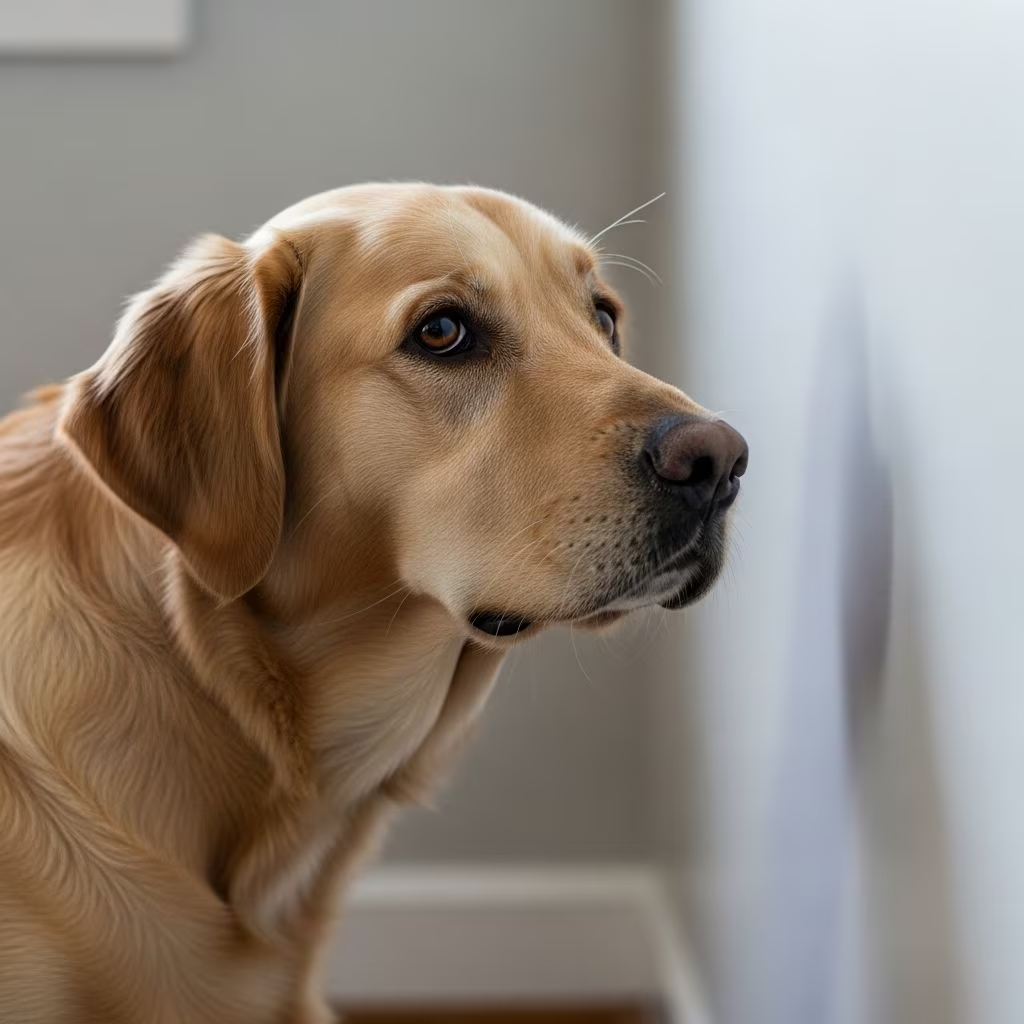
Why Is My Dog Staring at the Wall?
Have you ever caught your dog standing motionless, staring intently at a blank wall or off into space? It’s a puzzling behavior that leaves many dog owners wondering what’s going through their pet’s mind. While this quirk might seem harmless, understanding the reasons behind wall-staring can help you determine whether your dog is simply being curious or if there’s an underlying concern that requires attention.
According to certified canine behavior consultants, the most common reason dogs stare at walls is that their hearing has picked up something humans cannot detect. Dogs have superior auditory capabilities, allowing them to hear frequencies and sounds that are completely outside our range of perception. However, there are numerous other reasons why your dog might exhibit this behavior, ranging from benign curiosity to serious medical conditions.
The Primary Reason: Hearing Sounds We Cannot Detect
The most likely explanation for your dog’s wall-staring habit is that their sensitive ears have picked up a sound that caught their attention. Dogs can hear frequencies up to 65,000 Hz, compared to humans who can only hear up to about 20,000 Hz. This exceptional hearing ability means your dog might be detecting mice scurrying behind the walls, pipes creaking, electrical wiring humming, or insects moving within the structure of your home.
When your dog stares at the wall while listening intently, they’re likely trying to locate the source of the sound or track its movement. This behavior is often connected to your dog’s hardwired predatory instincts. Your canine companion may be alerting you to the presence of rodents or insects in your home—essentially giving you a heads-up about potential pest problems. In some cases, dogs with hearing loss in one ear may stare at walls as they have difficulty locating and understanding sounds accurately.
Other Common Reasons for Wall-Staring
Curiosity and Visual Stimulation
Dogs are naturally inquisitive creatures who investigate everything around them. Simple curiosity can prompt wall-staring behavior. Perhaps a light flickered across the surface, creating an interesting shadow. Maybe there’s a tiny spider making its way across the wallpaper, or dust particles are dancing in a shaft of sunlight. To your dog, staring at the wall is comparable to watching a live nature documentary unfold before their eyes. Every small movement or subtle change in the wall’s appearance can capture and hold their attention.
Seeking Attention
Dogs are intelligent animals that quickly learn which behaviors elicit responses from their owners. If your dog has discovered that staring at the wall gets your attention—whether through concerned comments, worried pets, or redirected playtime and treats—they may repeat this behavior intentionally. If you respond to wall-staring with panic, worry, or excessive attention, your dog learns to use this tactic again to get what they want. To discourage attention-seeking wall-staring, it’s best to ignore the behavior and reward your dog for engaging in more appropriate activities.
Stress and Anxiety
Just like humans, dogs experience stress and anxiety, and they develop their own coping mechanisms. While you might cope with stress by binging comfort food or binge-watching television, your dog might zone out and stare at the wall as a form of self-soothing. Environmental changes can trigger anxiety spirals in dogs, who are creatures of habit and routine. Moving furniture, bringing home a new pet, changes in your schedule, or introducing new gadgets that make unfamiliar sounds can all contribute to anxiety-induced wall-staring.
Other signs of anxiety in dogs include pacing, whining, destructive behavior, excessive barking, panting, drooling, hiding, and displaying tense body language with wide eyes. If you suspect your dog is experiencing anxiety, consult your veterinarian or a certified animal behaviorist for guidance.
Compulsive Behavior
While it might seem like your dog is simply quirky, excessive wall-staring could indicate compulsive behavior or canine compulsive disorder. In this condition, dogs engage in repetitive behaviors with no apparent cause, and it’s often very difficult to distract them from the activity. Compulsive wall-staring is often linked to stress, boredom, or mental health problems.
Common compulsive behaviors in dogs include staring at walls or objects when nothing is there, chasing imaginary objects, pacing back and forth in the same spot, barking at nothing, excessive circling, running along fence lines non-stop, and obsessive licking or chewing of their own body. If you notice your dog engaging in excessive compulsive behaviors, consult with a veterinarian or animal behaviorist.
Serious Medical Reasons for Wall-Staring
Canine Cognitive Dysfunction (CCD)
One of the more common medical reasons dogs stare at walls is Canine Cognitive Dysfunction, often referred to as doggy dementia. Like humans, dogs’ brains can experience wear and tear as they age. CCD is a condition similar to Alzheimer’s disease in humans that primarily affects senior dogs. Dogs with cognitive decline frequently stare at walls and may appear disoriented or confused.
Additional symptoms of CCD include agitated pacing, forgetting basic commands they’ve known for years, confusion about familiar spaces, changes in sleep-wake cycles, loss of house-training habits, and increased vocalization. If your senior dog suddenly develops wall-staring behavior accompanied by these other signs, it’s important to discuss these concerns with your veterinarian, who can evaluate your dog and determine if CCD is present.
Seizures and Neurological Disorders
If your dog stares blankly at the wall as if paused mid-thought or appears to zone out completely, this could indicate a seizure disorder or other neurological condition. Dogs experiencing focal seizures or partial seizures might stare at walls due to hallucinations or temporary changes in their vision and hearing during or after a seizure episode. Some neurological conditions that can cause wall-staring include epilepsy, brain tumors, and various inflammatory conditions affecting the nervous system.
Pay close attention to your dog’s body language and watch for accompanying symptoms such as twitching, loss of balance, unresponsiveness, head-pressing (pushing their head against a corner or object), or collapse. These symptoms warrant immediate veterinary attention.
Brain Tumors
A brain tumor could affect your dog’s vision or cause disorientation, leading to wall-staring behavior. Brain tumors can interfere with normal neurological function and cause various behavioral changes. If a brain tumor is affecting the visual cortex, your dog may stare at walls because they’re experiencing visual disturbances or hallucinations.
Vision Problems
As dogs age, their vision naturally begins to fade, potentially leaving senior dogs with partial or complete blindness. Dogs may develop cataracts, glaucoma, sudden acquired retinal degeneration syndrome (SARDS), or other vision-stealing conditions. When dogs lose their sight or experience significant vision loss, they may stare at walls or into space because they simply cannot see clearly.
Blind dogs or those with low vision may also bump into objects, appear reluctant to move, or navigate their environment with hesitation. If you suspect your dog is experiencing vision problems, your veterinarian can perform eye examinations and recommend appropriate treatment or management strategies.
Inflammation of the Nervous System
Various inflammatory conditions affecting the nervous system can cause wall-staring and other neurological symptoms. These conditions include encephalitis (brain inflammation), meningitis (inflammation of the meninges covering the brain and spinal cord), myelitis (inflammation of the spinal cord), and granulomatous meningoencephalomyelitis (GME). These serious conditions require prompt veterinary diagnosis and treatment.
General Lethargy and Depression
Sometimes wall-staring is simply a sign that your dog isn’t feeling well. Lethargic dogs or those experiencing depression or pain may stare into space due to lack of interest in other activities or play. Your dog may be too tired or weak to change positions or engage in normal behavior. This type of wall-staring is often accompanied by other signs of illness or discomfort.
When Should You Be Concerned?
Occasional wall-staring is typically nothing to worry about, especially if your dog snaps out of it quickly and returns to normal behavior. However, you should consult your veterinarian if:
- The wall-staring occurs frequently or for extended periods
- It represents a sudden change in your dog’s normal behavior
- It’s accompanied by other concerning symptoms like confusion, disorientation, seizures, or behavioral changes
- Your dog seems unable to be distracted from the behavior
- Other signs of illness or distress are present
Questions to Ask Yourself
Before your veterinary appointment, document your observations about your dog’s wall-staring behavior. Consider noting the following details:
- Is your dog whining or whimpering while staring?
- Does your dog appear weak or have they fallen over?
- Have there been any instances of urination or defecation during episodes?
- Did anything appear to trigger the staring behavior?
- Is your dog head-pressing (pushing their head into a corner or against an object)?
- How long do these episodes typically last?
- Is this behavior new or has it been occurring for a while?
- Are there any other changes in your dog’s behavior, appetite, or routine?
Writing down these observations in a journal or phone notes will provide your veterinarian with valuable information during the examination and help facilitate an accurate diagnosis.
What You Can Do About Wall-Staring
Environmental Management
If wall-staring appears to be caused by sounds your dog is detecting, you might investigate whether there are actual pest problems in your home that need addressing. If the behavior seems to be triggered by stress or environmental changes, work on gradually acclimating your dog to the new situation and maintaining consistent routines.
Behavioral Redirection
For attention-seeking wall-staring, redirect your dog’s focus with engaging activities, toys, and mental stimulation. Offer puzzle toys, interactive games, and regular play sessions to keep your dog mentally and physically engaged. This helps prevent boredom-related wall-staring and provides healthier outlets for your dog’s energy.
Professional Help
If the wall-staring is compulsive or escalating, consult with a certified animal behaviorist or your veterinarian. They can assess your dog’s behavior and recommend appropriate interventions, which might include behavior modification techniques, environmental enrichment, or medical treatment depending on the underlying cause.
Frequently Asked Questions
Q: Is it normal for dogs to stare at walls occasionally?
A: Yes, occasional wall-staring is usually normal, especially if your dog is listening to sounds or displaying curiosity. However, frequent or prolonged wall-staring may warrant veterinary evaluation.
Q: Can wall-staring indicate a serious medical condition?
A: Yes, persistent wall-staring can indicate medical issues such as canine cognitive dysfunction, seizures, vision problems, brain tumors, or neurological conditions. A veterinary examination is recommended if the behavior is new or excessive.
Q: How can I tell if my dog’s wall-staring is caused by anxiety?
A: Anxiety-related wall-staring is often accompanied by other signs such as pacing, whining, destructive behavior, excessive barking, panting, drooling, or reluctance to engage in normal activities. Consider recent environmental changes that might have triggered the anxiety.
Q: Should I be worried if my senior dog has started staring at walls?
A: Senior dogs staring at walls may have canine cognitive dysfunction, vision problems, or other age-related conditions. This warrants a veterinary evaluation, especially if accompanied by confusion, disorientation, or other behavioral changes.
Q: What should I do if my dog won’t stop staring at the wall?
A: If your dog cannot be distracted from wall-staring and the behavior is new or excessive, schedule a veterinary appointment. In the meantime, try redirecting your dog’s attention with toys, activities, and mental stimulation.
References
- Why Is My Dog Staring at the Wall? — Chewy Education. 2024. https://www.chewy.com/education/dog/training-and-behavior/why-is-my-dog-staring-at-the-wall
- 10 Most Common Reasons Your Dog Is Staring at the Wall — Kinship. 2024. https://www.kinship.com/dog-behavior/why-does-dog-stare-at-the-wall
- Why Is My Dog Staring at the Wall? — American Kennel Club. 2024. https://www.akc.org/expert-advice/health/why-dog-staring-at-wall
- Dog Staring at the Wall or Staring Into Space? 10 Reasons — Toe Grips. 2024. https://toegrips.com/dog-staring-at-the-wall
- Why is my dog staring at the wall? — Purely Pets Insurance. 2024. https://www.purelypetsinsurance.co.uk/blogs/why-is-my-dog-staring-at-the-wall



