

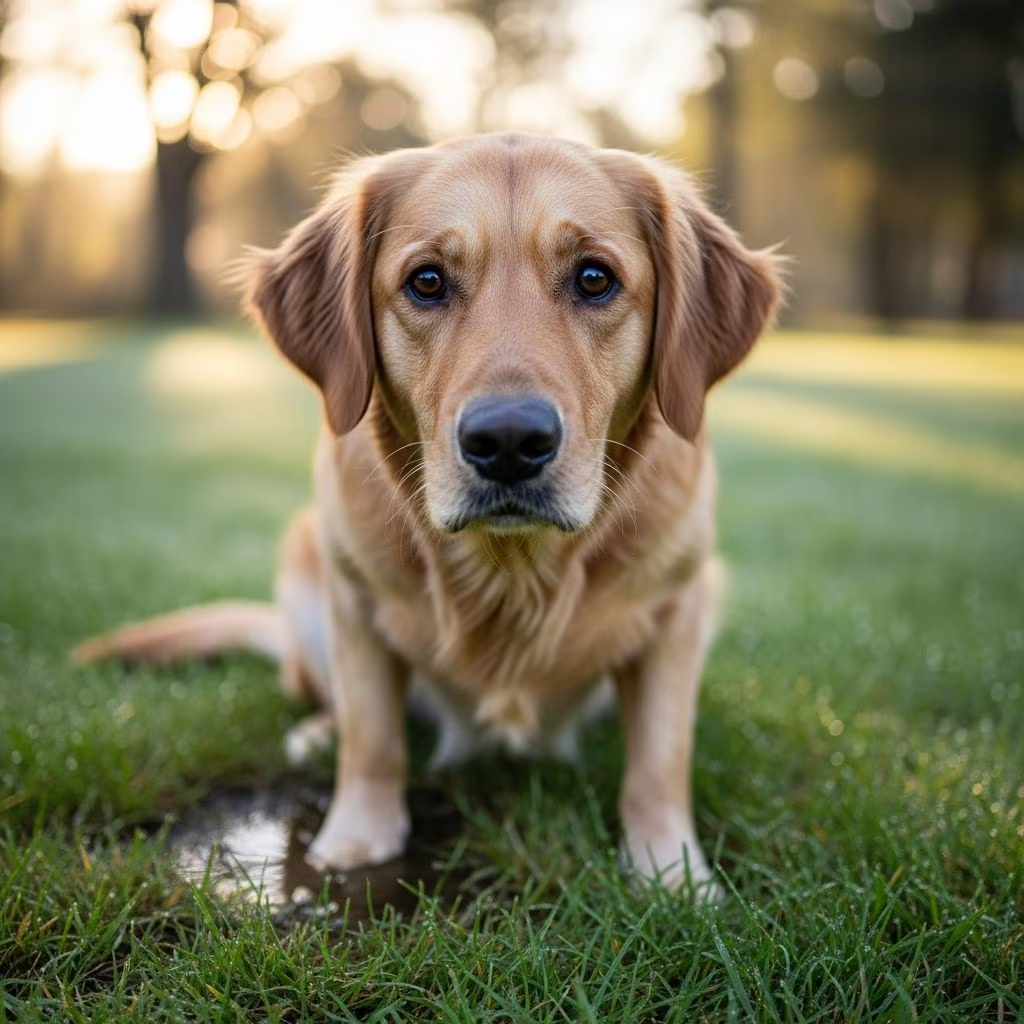
Excessive urination in dogs, known as polyuria, can be alarming for pet owners. It may stem from medical conditions like urinary tract infections (UTIs), diabetes, or kidney disease, or behavioral issues such as excitement, submission, or territorial marking. Understanding the underlying cause is crucial for effective management, often requiring a vet visit alongside behavioral adjustments.
Normal Urination Patterns in Dogs
Dogs typically urinate 3-5 times daily, depending on size, age, diet, and water intake. Puppies pee more frequently due to smaller bladders, while adults hold it longer. Factors like hot weather or high-salt food increase frequency. Deviations, such as accidents in housetrained dogs or larger urine volumes, warrant attention.
- Puppies: Every 1-2 hours, plus after meals, play, and naps.
- Adults: 3-5 times per day, holding for 6-8 hours.
- Seniors: More frequent due to weakened bladder muscles.
Medical Causes of Excessive Peeing
Health issues often cause increased urination volume or frequency. Polyuria-polydipsia (PU/PD) syndrome involves excessive drinking and peeing, signaling serious conditions. Always consult a vet for bloodwork, urinalysis, or imaging.
Urinary Tract Infections (UTIs)
UTIs are common, especially in females due to shorter urethras. Bacteria cause inflammation, leading to frequent, small-volume peeing with straining or blood. Symptoms include dribbling and discomfort. Antibiotics resolve most cases.
Diabetes Mellitus
In diabetic dogs, high blood sugar spills into urine, drawing water out and causing large volumes of dilute pee. Other signs: increased thirst, weight loss, lethargy. Insulin therapy manages it lifelong.
Kidney Disease
Chronic kidney disease (CKD) impairs waste filtration, leading to dilute urine buildup. Older dogs are prone; symptoms include vomiting and poor appetite. Dietary changes and medications slow progression.
Cushing’s Disease
Hyperadrenocorticism overproduces cortisol, causing PU/PD, potbelly, and hair loss. Diagnosis via blood tests; treatments include surgery or drugs.
Other Medical Factors
Pyometra (uterine infection in unspayed females), prostate issues in males, or medications like diuretics contribute. Spaying/neutering reduces risks.
| Condition | Symptoms | Treatment |
|---|---|---|
| UTI | Frequent small pees, straining | Antibiotics |
| Diabetes | Thirst, weight loss | Insulin, diet |
| Kidney Disease | Dilute urine, vomiting | Diet, fluids |
| Cushing’s | Potbelly, hair loss | Medication/surgery |
Behavioral Causes of Excessive Peeing
Not all frequent peeing indicates illness; behavior plays a role, especially in puppies or anxious dogs. These are manageable with training and environmental changes.
Excitement Urination
Puppies and young dogs pee when overly excited, like during greetings. It’s involuntary due to immature bladder control. Most outgrow by 1 year with calm interactions.
Submissive Urination
Dogs pee when approached, scolded, or fearful, signaling deference. Common in shy pups with sweet temperaments. Avoid punishment; use gentle approaches and ignore greetings initially.
Submissive urination occurs with cowering, tail tucking, or ear flattening. It’s social, not housetraining failure. Changing human interactions, like ignoring until calm, resolves it.
Territorial Marking
Intact dogs mark with small urine squirts on vertical surfaces to claim territory. Stress, new pets, or visitors trigger it. Neutering reduces by 50-90%, plus cleaning with enzymatic cleaners.
Males overmark females’ scents; status affects frequency. Small dogs raise legs higher to compete.
Housetraining Regression
Stress from moves, new babies, or routines causes accidents. Reinforce training: frequent outs, praise, crates. Never punish, as it worsens hiding.
When to See a Vet
Seek immediate care if peeing accompanies straining, blood, incontinence, thirst, vomiting, or sudden changes. Puppies under 6 months need checks for congenital issues. Vets rule out medical causes first.
- Sudden increase in frequency/volume
- Accidents in housetrained dogs
- Lethargy, appetite loss
- Straining or crying
How to Manage and Prevent Excessive Peeing
Combine vet care with home strategies.
Diagnostic Steps
- Track frequency, volume, color; note diet/water.
- Urinalysis for infection, glucose, crystals.
- Bloodwork for kidney/liver function, hormones.
- Imaging if needed.
Training Tips
- Schedule: Out every 2-4 hours, post-meal/play.
- Cues: Teach “go potty” with rewards.
- Clean properly: Enzymatic cleaners remove scents.
- Calm greetings: Ignore excited dogs until settled.
- Crate train: Prevents marking indoors.
Lifestyle Adjustments
Increase exercise to reduce stress; puzzle toys aid mental health. Consistent routines build confidence. Spay/neuter early.
Frequently Asked Questions (FAQs)
Why does my puppy pee when excited?
Excitement urination is common in young dogs with developing bladder control. Stay calm during greetings; they usually outgrow it.
Is submissive peeing a sign of abuse?
No, it’s often from fear or sensitivity, not abuse. Gentle handling helps; punishment worsens it.
How much peeing is too much?
More than 5-7 times daily or accidents in trained dogs signal issues. Monitor and vet check.
Can diet cause frequent peeing?
Yes, salty foods or excess water increase it. Balance with vet-recommended kibble.
Does neutering stop marking?
It reduces marking significantly, especially if done before puberty.
Conclusion
Excessive peeing ranges from benign puppy behavior to serious illness. Prompt vet evaluation ensures timely intervention, while training addresses behavioral roots. With patience, most dogs return to normal.
References
- SOS: Why Does My Dog Pee When I Pet Them? — Kinship. 2023. https://www.kinship.com/dog-behavior/why-does-my-dog-pee-when-i-pet-him
- Why Do Dogs Pee on Other Dogs (and Leashes) During Walks? — Kinship. 2023. https://www.kinship.com/dog-behavior/peeing-on-other-dogs-during-walks
- 12 Different Dog Peeing Styles, Explained — Kinship UK. 2023. https://www.kinship.com/uk/dog-behaviour/dog-peeing-styles-explained
- Puppy whines mediate maternal behavior in domestic dogs — PNAS (Proceedings of the National Academy of Sciences). 2024-01-02. https://www.pnas.org/doi/10.1073/pnas.2316818121
- Ask a Trainer: “My Adult Dog Won’t Pee Outside Anymore” — Kinship. 2023. https://www.kinship.com/dog-behavior/potty-train-adult-dog



