

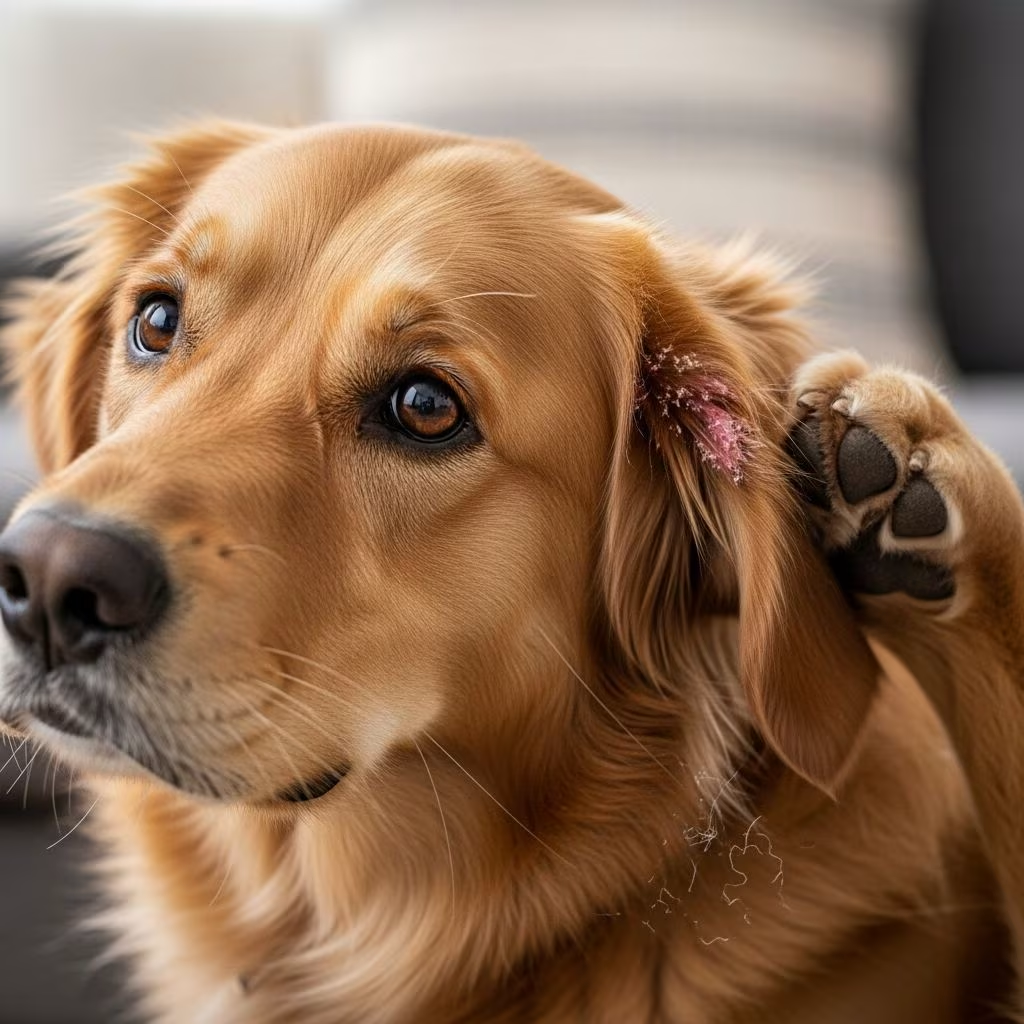
Excessive itching in dogs, known medically as pruritus, is one of the most common reasons pet owners visit the vet. If your dog is constantly scratching, licking, chewing their paws, or rubbing against furniture, it signals underlying discomfort that needs attention. While occasional itching might result from dry skin or minor irritants, persistent symptoms often point to allergies, parasites, infections, or other health issues. Early identification and treatment can prevent secondary problems like hot spots or chronic skin conditions.
This comprehensive guide explores the primary causes of itchy dog skin, common symptoms, diagnostic steps, treatment options, home remedies, and prevention strategies. Understanding these factors helps you provide relief and decide when professional veterinary care is essential.
Common Causes of Itching in Dogs
Dogs itch for various reasons, ranging from external parasites to internal imbalances. Here’s a breakdown of the most frequent culprits:
Allergies
Allergies top the list of itch causes, affecting up to 15-20% of dogs. Environmental allergens like pollen, dust mites, mold, and grass trigger atopic dermatitis, an inflammatory skin condition causing intense itching. Dogs with these allergies often scratch seasonally, particularly in spring or fall, but year-round symptoms occur in chronic cases.
Food allergies, though less common, provoke itching from proteins in beef, chicken, dairy, or grains. Symptoms frequently appear on the ears, paws, belly, and armpits. Contact allergies arise from irritants like shampoos, cleaners, or plants, localizing itch to exposed areas.
Fleas and Other Parasites
Fleas are notorious itch inducers due to their saliva, which provokes hypersensitivity in many dogs—even a single bite can spark severe reactions in flea-allergic dogs. Look for itching at the base of the tail, hindquarters, and groin. Other parasites like ticks, lice, mites (causing mange), and mosquitoes exacerbate the problem.
- Flea allergy dermatitis: Most common, with ‘flea dirt’ (black specks) visible in fur.
- Mange mites: Sarcoptic mange causes widespread crusting and intense itch; demodectic mange affects immunocompromised dogs.
Skin Infections
Bacterial (staph) and yeast (Malassezia) infections thrive in moist, damaged skin from scratching, creating a vicious itch cycle. Yeast infections produce greasy, smelly skin on paws, ears, and folds; bacterial ones lead to red, pustular hot spots.
Recurrent ear infections often accompany skin issues, with dogs shaking heads or pawing ears.
Dry Skin
Environmental factors like low humidity, frequent bathing, or poor diet cause flaky, itchy skin. Breeds with thin coats (e.g., Greyhounds) are prone. Unlike allergies, dry skin itch lacks inflammation or odor.
Hot Spots (Acute Moist Dermatitis)
These self-trauma zones develop rapidly from initial irritants like bug bites or allergies. Red, oozing, and painful, hot spots worsen with licking, spreading via moisture.
Hormonal Imbalances
Conditions like hypothyroidism or Cushing’s disease alter skin oil production, leading to thinning fur, flakes, and secondary infections. Itch is often symmetrical.
Other Causes
- Anal Gland Issues: Impacted glands cause scooting and tail-base itching.
- Stress/Anxiety: Compulsive licking from boredom or changes, mimicking allergies.
- Autoimmune Diseases: Rare, like pemphigus, causing blisters and itch.
Symptoms of Excessive Itching in Dogs
Beyond scratching, watch for:
- Hair loss in patches, especially paws, belly, armpits.
- Red, inflamed skin or scabs.
- Odor from yeast/bacterial overgrowth.
- Chewing feet, rubbing face on carpet.
- Behavioral changes: irritability, restlessness.
Symptom location clues causes: paws/ears suggest allergies; rear-end points to fleas; generalized itch indicates mange or dry skin.
When to See a Vet for Your Itchy Dog
Consult a vet if itching lasts over 2 weeks, covers large areas, or includes lethargy, vomiting, or wounds. Urgent care needed for bleeding hot spots or facial swelling.
Vets diagnose via skin scrapes, cytology (tape preps for bacteria/yeast), allergy tests, or food trials. Bloodwork rules out hormones. Treatments may include meds, diets, or immunotherapy.
Treatment Options for Itchy Dogs
Tailor treatments to the cause:
| Cause | Treatments |
|---|---|
| Allergies | Antihistamines, Apoquel/cytopoint injections, steroids (short-term), hypoallergenic diets, immunotherapy. |
| Fleas/Parasites | Topical/oral preventives (e.g., NexGard, Frontline), environmental cleaning. |
| Infections | Antibiotics, antifungals, medicated shampoos (chlorhexidine, miconazole). |
| Dry Skin | Omega-3 supplements, moisturizing baths. |
| Hot Spots | Clip fur, e-collar, topical steroids/antibiotics. |
Avoid OTC human products; they can worsen issues.
Home Remedies for Mild Itching
For short-term relief:
- Oatmeal Baths: Colloidal oatmeal soothes inflammation; bathe weekly.
- Coconut Oil: Apply topically for moisture (vet-approved).
- Aloe Vera: Pure gel cools hot spots; test small area.
- Apple Cider Vinegar Rinse: 1:1 water dilution for yeast (diluted only).
- Epsom Salts Soak: For paws, 10 mins daily.
Use cone collars to halt self-trauma. Increase omega fatty acids via fish oil.
Prevention Tips to Stop Itching
Proactive steps reduce flare-ups:
- Year-round flea prevention.
- Regular baths with gentle, hypoallergenic shampoos.
- High-quality diet with limited ingredients.
- Weekly grooming/brushing to distribute oils.
- Allergy-proof home: air filters, frequent vacuuming.
- Exercise/stress reduction for behavioral itch.
Track symptoms in a journal for patterns.
Frequently Asked Questions (FAQs)
Why is my dog itching but no fleas?
No fleas doesn’t rule out allergies, infections, or dry skin. Flea allergies persist post-infestation; allergies affect 10-15% of dogs.
How long can I wait before seeing a vet for dog itching?
If over 7-10 days or worsening, seek care to avoid complications.
Can diet cause itching in dogs?
Yes, food allergies trigger 10% of cases; try 8-12 week elimination diets.
Are some breeds more prone to itching?
Yes: Bulldogs, Labs, Terriers, Shar-Peis due to skin folds/genetics.
Is coconut oil safe for itchy dog skin?
Yes, in moderation; it moisturizes but consult vet for infections.
References
- Itchy Dog? Itch Relief for Dogs and When To Call Your Vet — PetMD. 2023. https://www.petmd.com/dog/symptoms/itchy-dog
- When Is Itching an Issue? Identifying and Treating Abnormal Itch in Dogs — Merck Animal Health. 2024. https://www.merck-animal-health.com/when-is-itching-an-issue-identifying-and-treating-abnormal-itch-in-dogs/
- The Main Causes of Itchy Skin in Dogs and How To Treat It — The Complete Pet Animal Hospital. 2023-10-15. https://www.thecompletepetanimalhospital.com/blog/the-main-causes-of-itchy-skin-in-dogs-and-how-to-treat-it
- Why Is My Dog So Itchy? Possible Causes & Treatment — American Kennel Club (AKC). 2024. https://www.akc.org/expert-advice/health/why-is-my-dog-so-itchy/
- No Fleas, But Still Itching: A Dog Owner’s Guide — Wedgewood Pharmacy. 2023. https://www.wedgewood.com/blog/no-fleas-but-still-itching-a-dog-owner-s-guide-to-understanding-and-treating-dog-itchiness/
- Why Is My Dog So Itchy? 5 Causes of Itchiness in Dogs — GoodRx. 2024-01-10. https://www.goodrx.com/pet-health/dog/why-is-my-dog-so-itchy
- Pruritus – Itching and Scratching in Dogs — VCA Animal Hospitals. 2023. https://vcahospitals.com/know-your-pet/pruritus-itching-and-scratching-in-dogs



