

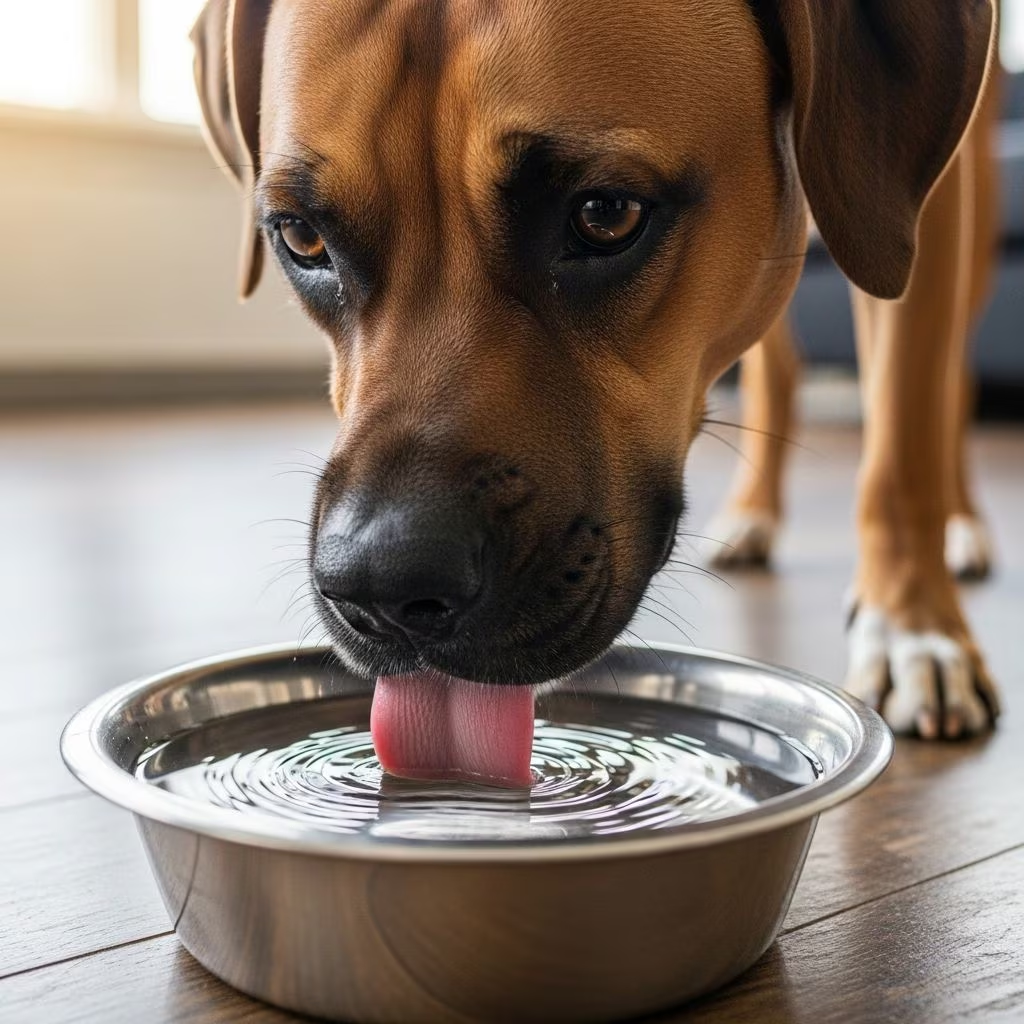
Why Is My Dog Drinking a Lot of Water?
If you’ve noticed your beloved canine companion making more frequent trips to the water bowl, you’re not alone. Excessive thirst in dogs, medically known as polydipsia, can be concerning for pet owners. While increased water intake can sometimes be perfectly normal—especially during warm weather or after exercise—it can also signal an underlying health issue that requires veterinary attention. Understanding the difference between normal hydration and problematic excessive drinking is essential for maintaining your dog’s health and well-being.
Normal Water Intake vs. Excessive Thirst
Before determining whether your dog’s drinking habits are concerning, it’s important to establish what constitutes normal water consumption. Most dogs drink between 0.5 to 1 ounce of water per pound of body weight daily. For a 50-pound dog, this translates to approximately 25 to 50 ounces per day. However, this baseline can vary depending on individual factors such as age, activity level, and diet type.
Your dog may naturally drink more water during certain circumstances. Hot weather, increased physical activity, nursing, or recovery from illness can all elevate water intake temporarily. If your dog is consuming slightly more water but remains otherwise healthy and active, there’s usually no cause for alarm. However, if your dog is drinking an unusual amount—such as two to ten times their normal intake—or if you’ve noticed a sudden change in drinking behavior, this warrants investigation.
Environmental and Lifestyle Factors
Sometimes excessive drinking isn’t medical in nature but rather related to environmental conditions or lifestyle changes. Understanding these non-medical causes can help you determine whether professional veterinary care is necessary.
Temperature and Weather
Dogs naturally increase their water consumption during hot weather to regulate body temperature through panting and sweating. If you notice your dog drinks more during summer months or when your home’s heating system is running, this is typically a normal response. Similarly, dry indoor air during winter months can trigger increased thirst, which can be mitigated by using a humidifier in areas where your dog spends time.
Activity Level and Exercise
Active dogs and those who engage in frequent play, training sessions, or outdoor adventures require more water to replace fluids lost through perspiration and panting. This is particularly true for working dogs, service animals, and those participating in dog sports. Providing adequate water access before, during, and after exercise is essential for proper hydration.
Diet Composition
Your dog’s diet plays a significant role in water intake. Dogs fed dry kibble diets naturally drink more water than those consuming wet or fresh food diets, as kibble contains only 6-10% moisture compared to 65-75% in wet or raw foods. This is not necessarily problematic, though some pet owners choose to add water to kibble—a practice called “floating”—to increase moisture content and reduce strain on the kidneys. Additionally, high-sodium treats and foods can increase thirst, as salt draws water through the body and puts extra pressure on the kidneys.
Stress and Anxiety
Dogs experiencing stress, anxiety, or boredom may develop excessive drinking behaviors. When dogs become anxious, they tend to pant more heavily, losing additional fluids that trigger increased thirst. Ensuring your dog receives adequate mental stimulation, physical exercise, and emotional support can help prevent stress-related drinking patterns. In some cases, excessive drinking becomes a compulsive behavior similar to canine compulsive disorder (CCD), which is the dog equivalent of obsessive-compulsive disorder in humans.
Medical Conditions Associated with Excessive Thirst
When environmental and lifestyle factors are ruled out, excessive drinking often indicates an underlying medical condition. Several serious health issues can cause polydipsia, and early detection is crucial for effective treatment.
Diabetes Mellitus
Diabetes mellitus is one of the most common medical causes of excessive thirst in dogs. In this condition, the body either fails to produce sufficient insulin or cannot utilize insulin effectively. As a result, blood sugar levels remain elevated, and the kidneys work overtime to filter out excess glucose through urine. This increased urination causes dehydration, triggering compensatory excessive drinking. Dogs with diabetes may also exhibit weight loss, increased appetite, and lethargy. Immediate veterinary evaluation is essential if you suspect diabetes, as this condition requires ongoing management through diet, medication, and monitoring.
Kidney Disease
Kidney disease, also called renal failure, represents a chronic progressive condition where the kidneys cannot efficiently filter waste products from the bloodstream. As the kidneys fail to concentrate urine properly, dogs urinate more frequently, leading to fluid loss and compensatory excessive drinking. The severity of kidney disease ranges from mild cases requiring only monitoring and dietary adjustments to severe cases necessitating hospitalization and intensive treatment. Additional symptoms may include decreased appetite, vomiting, weight loss, and changes in urine appearance. Early detection through blood and urine testing can help slow disease progression.
Cushing’s Disease (Hyperadrenocorticism)
Cushing’s disease occurs when the adrenal glands produce excessive amounts of cortisol, a hormone involved in blood pressure regulation, inflammation control, and stress response. Elevated cortisol levels interfere with the kidneys’ ability to concentrate urine, resulting in increased urination and compensatory drinking. Dogs with Cushing’s disease may drink between two and ten times their normal amount. Other symptoms include weight gain, hair loss, excessive panting, pot-bellied appearance, and calcinosis cutis (calcium deposits under the skin). Cushing’s disease is sometimes misdiagnosed as dermatitis or liver disease, making professional veterinary diagnosis essential.
Liver Disease
Excessive thirst occurs in approximately 50% of dogs suffering from liver disease, making it one of the most common signs of hepatic problems. The liver performs numerous vital functions including protein production, hormone synthesis, blood detoxification, and metabolism of fats and carbohydrates. When liver function deteriorates, multiple pathways can lead to excessive urination and drinking. In hepatic encephalopathy specifically, increased production of adrenocorticotropic hormone (ACTH) triggers elevated cortisol levels, causing plasma cell dehydration and increased thirst.
Urinary Tract Infections (UTI)
Urinary tract infections are among the more common causes of excessive drinking in dogs and should be ruled out early during veterinary evaluation. When dogs experience a UTI, they produce large volumes of urine as their body attempts to flush out the infection. The resulting fluid loss creates a constant state of dehydration, prompting the dog to drink excessively to replace lost fluids. UTIs are generally treatable with antibiotics, making prompt diagnosis important.
Pyometra
Pyometra is a life-threatening infection of the uterus affecting unspayed female dogs. Bacterial toxins released into the bloodstream impair the kidneys’ ability to retain urine, leading to increased urination and compensatory drinking. This serious condition also presents with symptoms such as pus discharge from the vulva, fever, lethargy, appetite changes, and vomiting. Pyometra is fatal if left untreated due to sepsis development, making immediate emergency veterinary care essential.
Electrolyte Imbalances
Sodium and potassium imbalances can significantly affect thirst and urination patterns. Sodium draws water toward it, and when electrolyte balance is disrupted, the kidneys fail to properly conserve water. Causes of electrolyte imbalances include dehydration, high-sodium meals, certain toxins, and various medical conditions. Warning signs include vomiting, diarrhea, lethargy, weakness, and neurological symptoms such as circling, falling, or seizures.
Medication Side Effects
Certain medications prescribed for other conditions can increase thirst and urination as side effects. Steroids, diuretics commonly used for heart failure treatment, and some anti-seizure medications are known culprits. If your dog’s excessive drinking coincided with starting new medication, inform your veterinarian, as alternative treatments or dosage adjustments may be available.
General Illness and Recovery
Acute illnesses such as gastrointestinal bugs, food allergies, or dietary intolerances causing vomiting and diarrhea lead to substantial fluid loss. Dogs recovering from these conditions naturally drink more water as their bodies attempt to restore proper hydration. The feeling of nausea associated with illness may also encourage increased water consumption. Once the underlying illness resolves, drinking patterns typically return to normal.
When to Contact Your Veterinarian
While occasional increased drinking isn’t cause for concern, certain situations warrant prompt veterinary evaluation. Contact your veterinarian if you notice:
- A sudden, significant increase in water consumption
- Drinking patterns that persist beyond a few days
- Excessive drinking accompanied by other symptoms such as weight loss, lethargy, or appetite changes
- Increased urination along with increased thirst
- Changes in urine appearance or odor
- Signs of discomfort during urination
- Vomiting, diarrhea, or other digestive issues accompanying excessive drinking
Diagnostic Process and Testing
When you bring your dog to the veterinarian regarding excessive thirst, expect a thorough evaluation. Your vet will perform a complete physical examination and ask detailed questions about your dog’s symptoms, diet, recent changes, and medical history. Diagnostic testing typically includes blood work and urinalysis, which can reveal conditions like diabetes, kidney disease, liver problems, and electrolyte imbalances. Additional testing such as ultrasound, X-rays, or hormone level assessments may be recommended depending on initial findings. This comprehensive approach helps identify the underlying cause of excessive drinking so appropriate treatment can begin.
Treatment and Management Approaches
Treatment depends entirely on the underlying cause of excessive drinking. Some conditions, like UTIs, are managed with antibiotics and resolve relatively quickly. Others, such as diabetes and kidney disease, require long-term management through medication, dietary modifications, and regular monitoring. Cushing’s disease may be managed medically or surgically depending on the type and severity. Liver disease management focuses on supporting liver function and addressing complications. For stress-related or behavioral excessive drinking, environmental modifications, increased enrichment, and sometimes behavioral training or anxiety medication can help.
Frequently Asked Questions
Q: How much water should my dog drink daily?
A: Most dogs should drink between 0.5 to 1 ounce of water per pound of body weight daily. This can vary based on diet type, activity level, age, and environmental conditions. Dogs on dry kibble diets naturally drink more than those on wet food diets.
Q: Is it normal for my dog to drink more in summer?
A: Yes, increased drinking during hot weather is completely normal. Dogs regulate body temperature through panting and perspiration, requiring additional water intake. Ensure fresh water is always available, especially during warm months.
Q: Can diet affect my dog’s water consumption?
A: Absolutely. Dry kibble diets containing only 6-10% moisture cause dogs to drink significantly more than those on wet food diets with 65-75% moisture content. High-sodium foods and treats also increase thirst by putting pressure on the kidneys.
Q: What should I do if my dog suddenly starts drinking excessively?
A: Schedule a veterinary appointment promptly. Sudden changes in drinking patterns often indicate medical issues requiring professional evaluation and potentially diagnostic testing to identify the cause.
Q: Can stress cause excessive drinking in dogs?
A: Yes, stressed or anxious dogs may pant more heavily and lose additional fluids, triggering increased thirst. In some cases, excessive drinking becomes a compulsive behavior. Providing adequate exercise, mental stimulation, and stress-reduction techniques can help.
Q: Is excessive drinking ever just behavioral?
A: While psychogenic polydipsia (excessive drinking without underlying medical cause) exists, it’s relatively rare. Most cases of excessive drinking have identifiable medical or environmental causes, making veterinary evaluation essential.
References
- Why Does My Dog Drink So Much Water? — My Pet Nutritionist. Accessed 2025. https://mypetnutritionist.com/post/why-does-my-dog-drink-so-much-water/
- Why Is My Dog Drinking a Lot of Water? — PetMD. Accessed 2025. https://www.petmd.com/dog/symptoms/why-is-my-dog-drinking-a-lot-of-water
- Why is My Dog Drinking So Much Water? — North Kenny Veterinary Clinic. Accessed 2025. https://northkennyvet.com/blog/dog-drinking-so-much-water/
- Why Is My Dog Drinking So Much Water — Pet Townsend Veterinary Clinic. Accessed 2025. https://pettownsendvet.com/blog/why-is-my-dog-drinking-so-much-water/
- Why Is My Dog Drinking So Much Water? — Peak Veterinary. Accessed 2025. https://www.peakveterinary.com/blog/why-is-my-dog-drinking-so-much-water
- Excessive Thirst in Dogs: Common Causes & When to See the Vet — Hills Pet Nutrition. Accessed 2025. https://www.hillspet.com/dog-care/healthcare/excessive-thirst-in-dogs
- Dog Always Thirsty? How Much Water Is Too Much? — WebMD Pets. Accessed 2025. https://www.webmd.com/pets/dogs/my-dog-always-thirsty



